by anouradha bakshi | Feb 14, 2017 | Anou's Blog, Uncategorized
Sometimes a single word can reveal how deeply our society needs to change.
Recently, I came across two very different references to the word “ugly”. The first was the story of a remarkable woman who had spent years carrying the pain and humiliation of being called “the ugliest woman on earth”. The second appeared in a Class XII Sociology textbook while explaining the reasons behind the practice of dowry.
The first story was about Lizzie Velasquez.
Born with a rare medical condition, Lizzie faced cruel judgement from strangers who reduced her entire existence to her appearance. A video labelling her “the ugliest woman on earth” went viral, causing unimaginable hurt. Yet Lizzie refused to allow the world to define her. Today, she is a motivational speaker whose courage, kindness and resilience inspire millions.
Lizzie’s life is a powerful reminder that true beauty is not something that can be measured by a face, a body or society’s changing standards. It comes from within—from the strength of our character, the compassion we show and the courage with which we face life’s challenges
The second reference to the word “ugly” was far more troubling.
It appeared in a Class XII Sociology textbook, in a chapter on social problems in India. While explaining the reasons behind the dowry system, the book stated that if a girl was “ugly and handicapped”, it became difficult for her to get married, and therefore her parents were forced to meet higher dowry demands.
What does one say to such words?
A sentence like this may appear to be merely an explanation of a social reality, but words written in a school textbook carry immense power. They are read by young minds that are still forming their understanding of themselves and the world around them.
Imagine a teenage girl reading this passage and wondering whether society considers her less valuable because she does not fit a certain idea of beauty. At an age when so many young people already struggle with confidence and self-esteem, such messages can leave deep scars.
The truth is that many young people already carry enormous pressure to look a certain way. The standards of beauty presented through television, films and social media are often impossible to achieve.
I have rarely met a young girl who feels completely comfortable with the way she looks. Even those who are considered beautiful by others often find faults in themselves. They feel they are too tall or too short, too dark or too fair, too thin or too heavy. They worry about their skin, their hair, their features. Slowly, their confidence begins to diminish.
For girls who already grow up hearing that their worth is connected to marriage and acceptance by others, such messages can be deeply damaging. They begin to measure themselves not by their kindness, intelligence or dreams, but by whether they match someone else’s definition of beauty.
This is why the words we use matter. Especially when those words appear in books meant for children.
Many questions remain.
Who decides what beauty means? Why do we continue to measure people by physical appearance rather than by the qualities that truly define them? And when children’s textbooks contain such messages, who is responsible for ensuring that they do not reinforce the very prejudices we should be challenging?
Education is meant to open minds, build confidence and help children recognise their own worth. It should never make a child feel lesser because of the way they look, the family they come from or the circumstances of their birth.
We need to teach our children a different understanding of beauty—one that celebrates kindness, courage, compassion and resilience. A beautiful face may attract attention, but a beautiful soul leaves a lasting impression.
It is time we understood this.
by anouradha bakshi | Feb 8, 2017 | Anou's Blog, Uncategorized
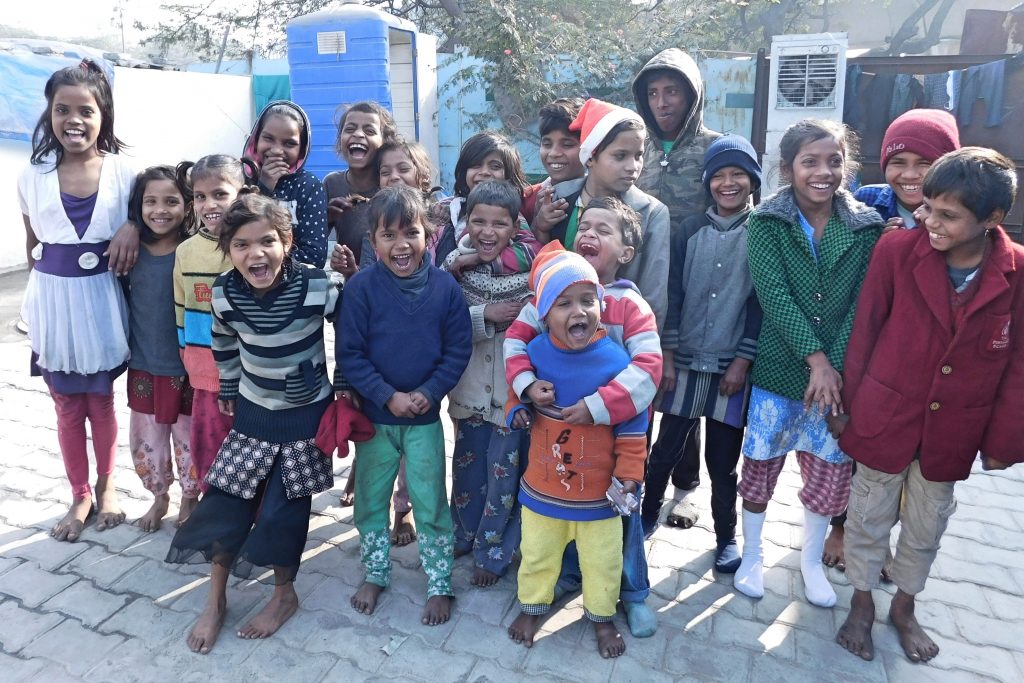
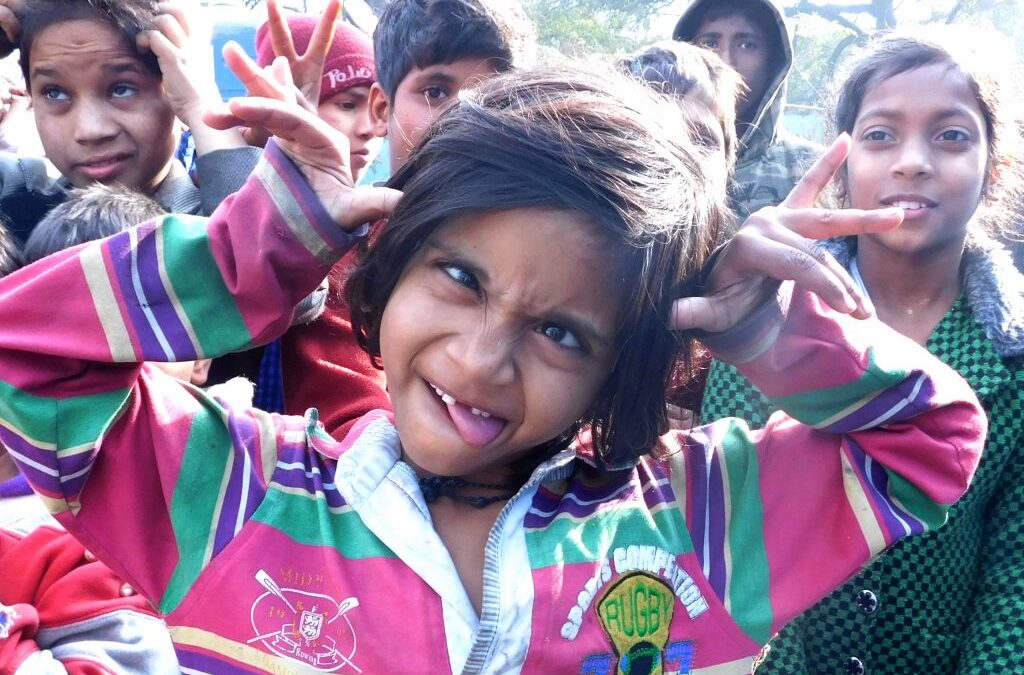
A little girl was crushed to death by a vehicle last week. She lived in a shack under the Nehru Place flyover. Her family is part of the posse of beggars that live there. It is a spot I pass often en route to Project WHY and have been interacting with such children for very long. The fear of such a tragedy happening was always there. She was just like my little beggar girl of yore years.
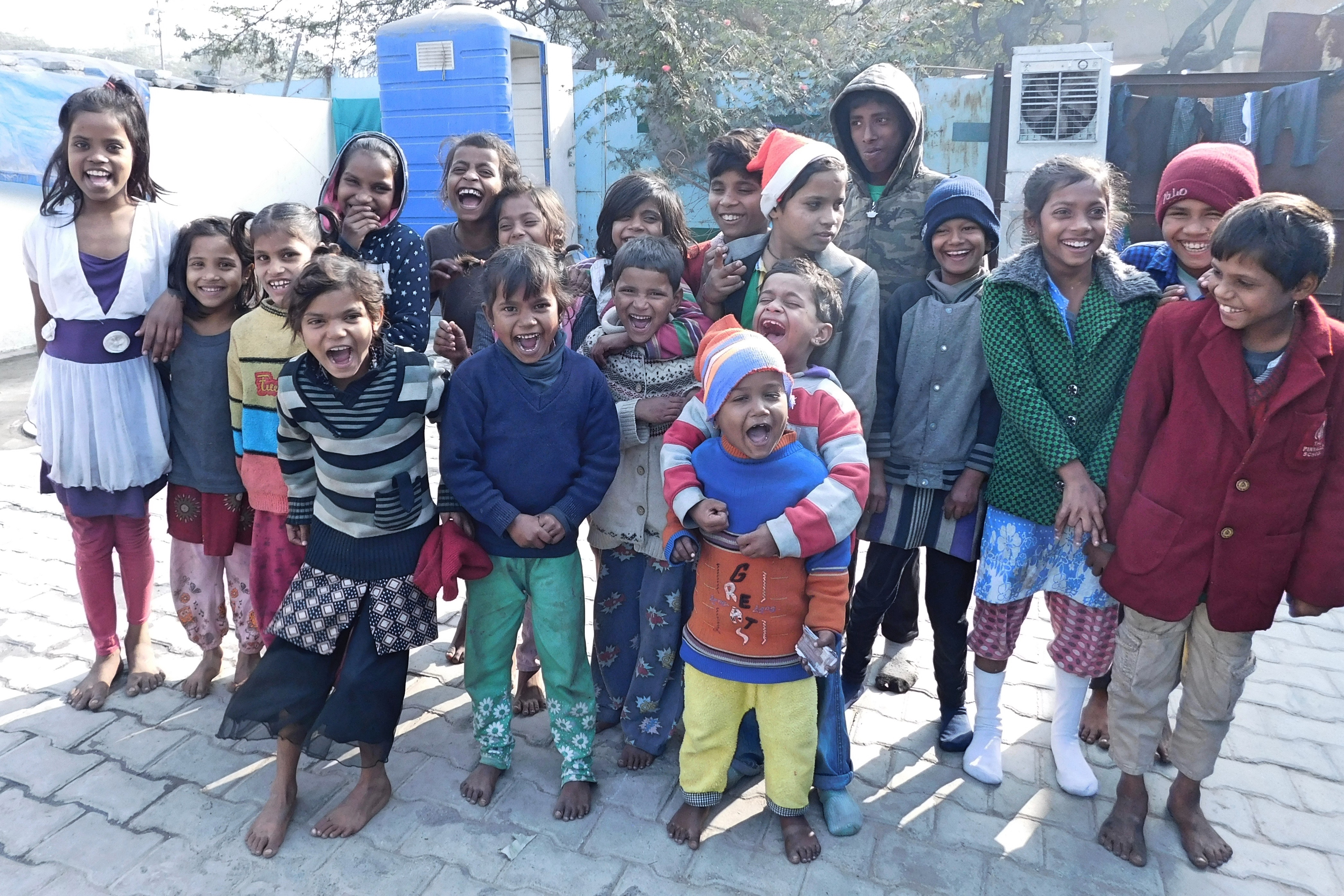
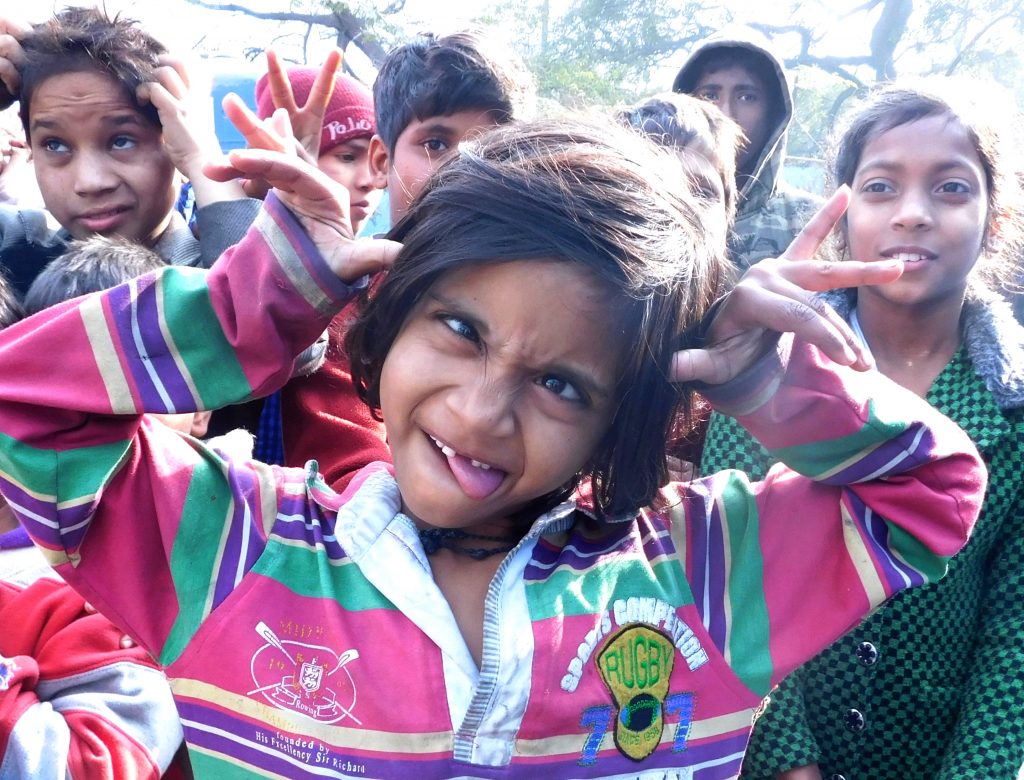
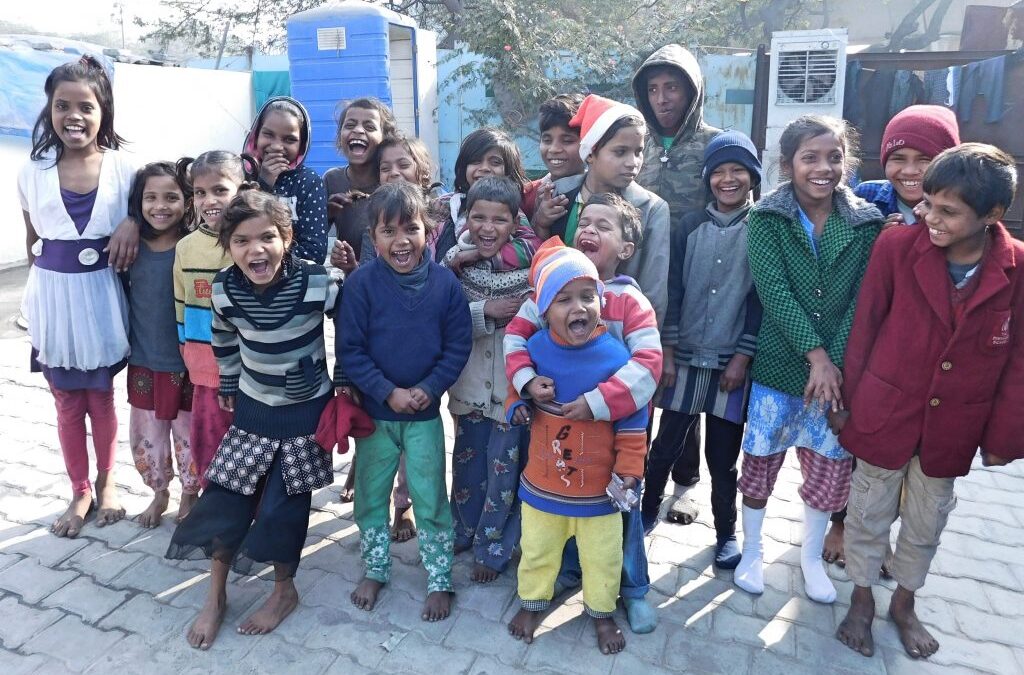
The plight of children begging has been the one deafening why that is still unanswered. The only source of comfort is the opening of our Kalka Temple project for children like the little girl who lost her life. The children you see in the picture are all children of beggars and would be roaming the streets and begging. Now they study for a few hours and some even go to school. They may escape the grim future that beckons them. We will definitely try our best to ensure that.
Once again the death of this child brings to the fore the plight of children who beg on the streets.
When you see the smiles on the little faces in the picture, you see children just like any other. Nothing differentiates them. They are full of mischief and giggles, like to play pranks, love games and deserve what every child does!
It is time we stood up and did something for them!
by anouradha bakshi | Jan 31, 2017 | Anou's Blog, Uncategorized
The recent incidents of sexual molestation in Bengaluru have once again brought to fore the reality of gender biaises and the stranglehold of patriarchal values in across society.
Molestation, rapes and all form of sexual abuse are a power game wherein the perpetrator cannot accept the victim deviating from accepted norms. True there are some aberrations that defy all explanations the most deafening being the rape of children and babies!
Sexual abuse of children in often committed by members or someone close to the family. These are the ones that go unreported as they touch upon the honour of the family and what is terrible the code of silence is often imposed not by a male, but a female member of the family.
Patriarchy decreed the daughter would be the repository of the family’s honour. Why not the son? The son can do no wrong; this is a notion prevalent across the board, a sentiment aptly defined in the words of a leading politician: boys will be boys.
Every time there is a rape or molestation case civil society wakes up and, post a few candle lit marches and fiery speeches, sinks back into silence. What is always sought is the hanging of the perp as if that act alone would solve all issues.
Experience has shown that this is not the case as rapes and abuse continue with impunity. Recently a tailor, father of five was arrested for having molested hundreds of girls!
We need to protect our children as boys too suffer abuse. The statistics on chid abuse are terrifying. One child abused is one too many!
Long term solutions are not the need of the hour. Children cannot wait. What we are dealing with is age old mindsets that will not vanish overnight. Patriarchy is too deed rooted. The only immediate solution is to inform children about abuse and empower to say NO, a no so loud that it cannot be ignored. It all begins with the notion of ‘good’ touch and ‘bad’ touch.
This is something we do at Project WHY at an early age. Our effort is to also lend a patient and understanding year to every child.
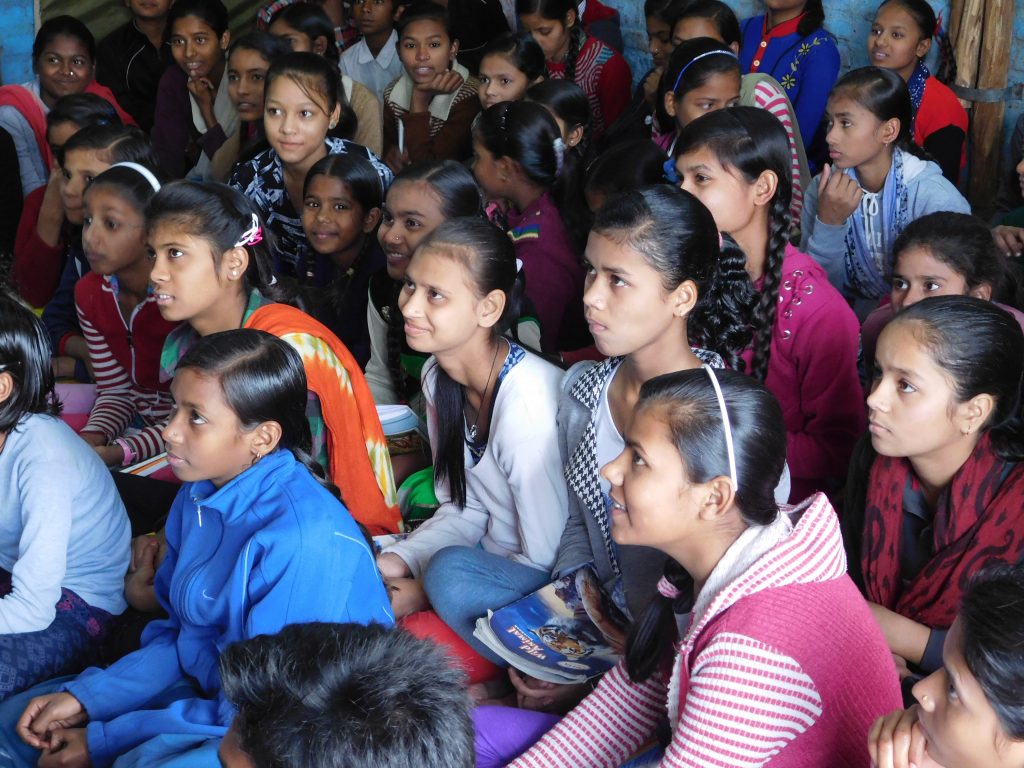
Regular workshops for adolescent are conduced regularly in order to address all the questions that can never be asked within the four walls of a patriarchal home.
It is not easy to grow up in a slum. Though the family is uber traditional, the environment is quite different. Television has invaded the home and the ubiquitous smart phone had reached every hand each claiming its space, its supremacy. Think of the child, the adolescent, the teenager having to navigate in between these two!
We plan to have workshops on cyber crime soon.
We do our best to help children grow into responsible adults but above all we strive to give them a voice!
by anouradha bakshi | Jan 24, 2017 | Anou's Blog, Uncategorized
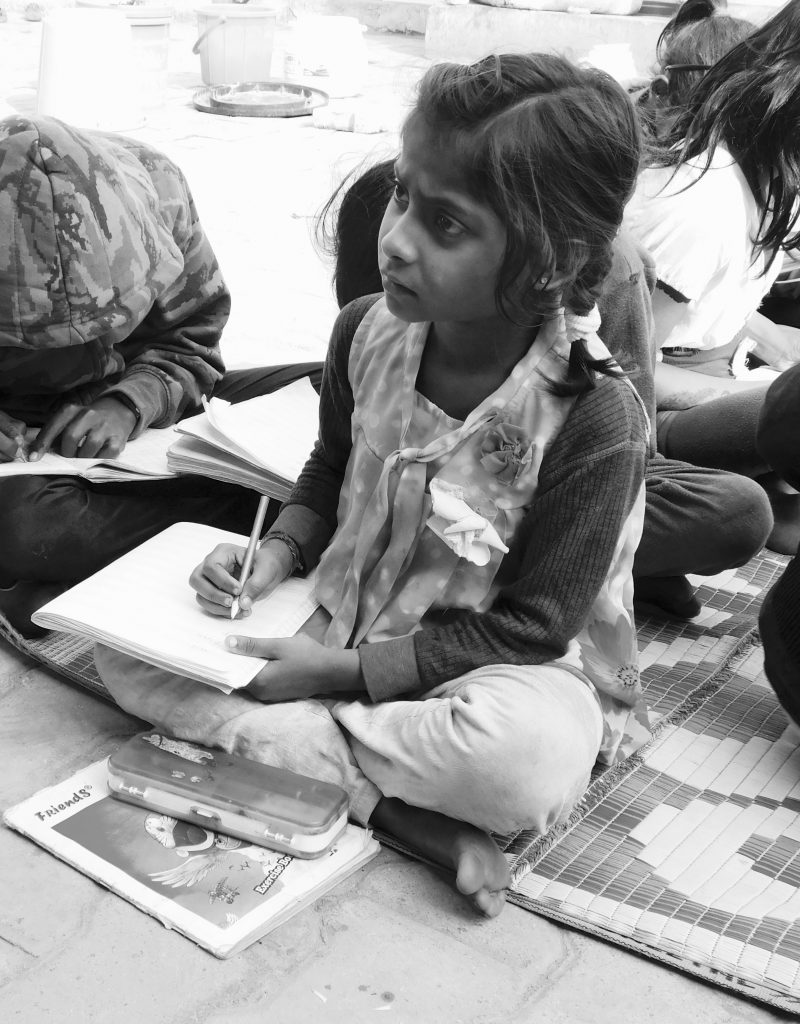
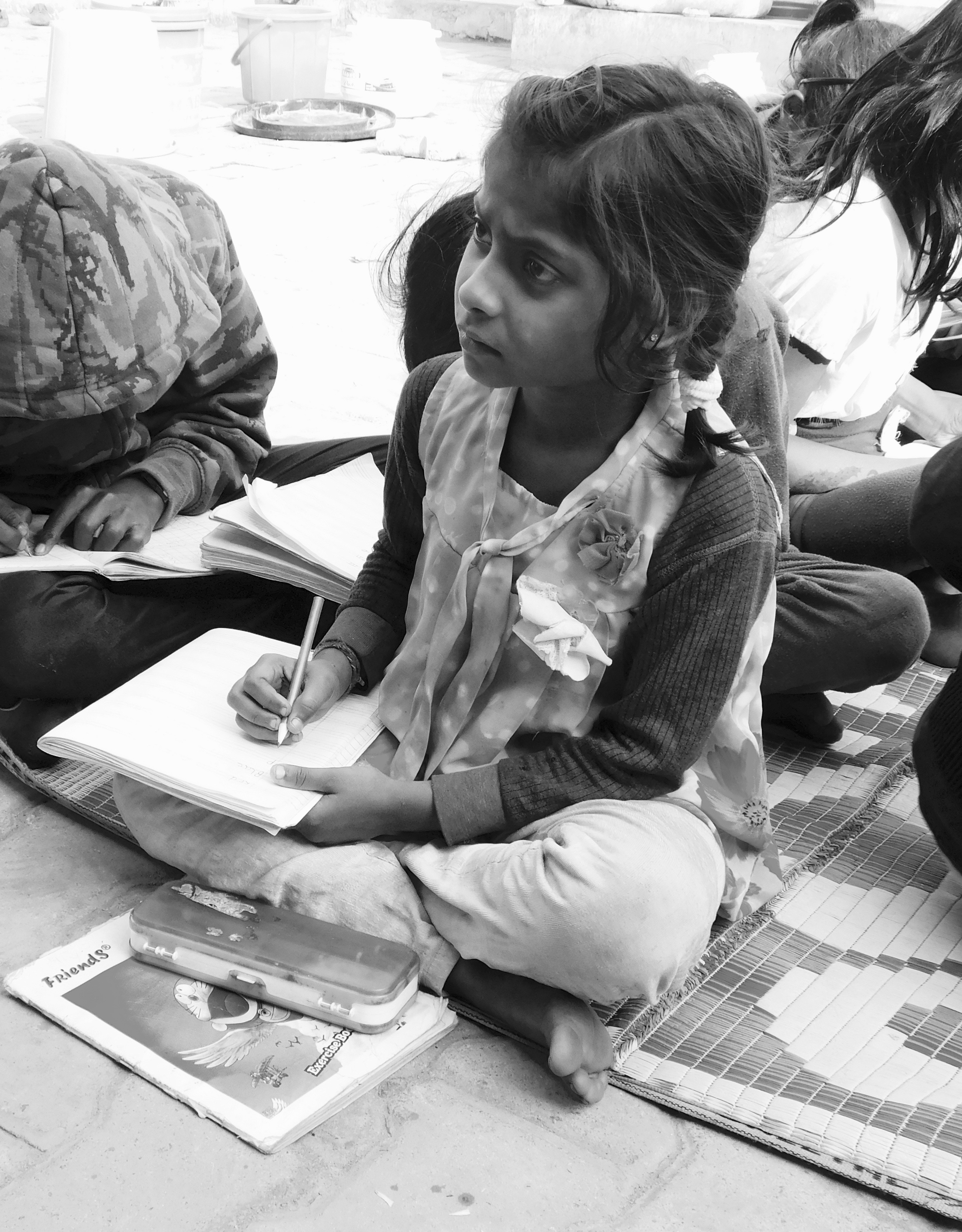
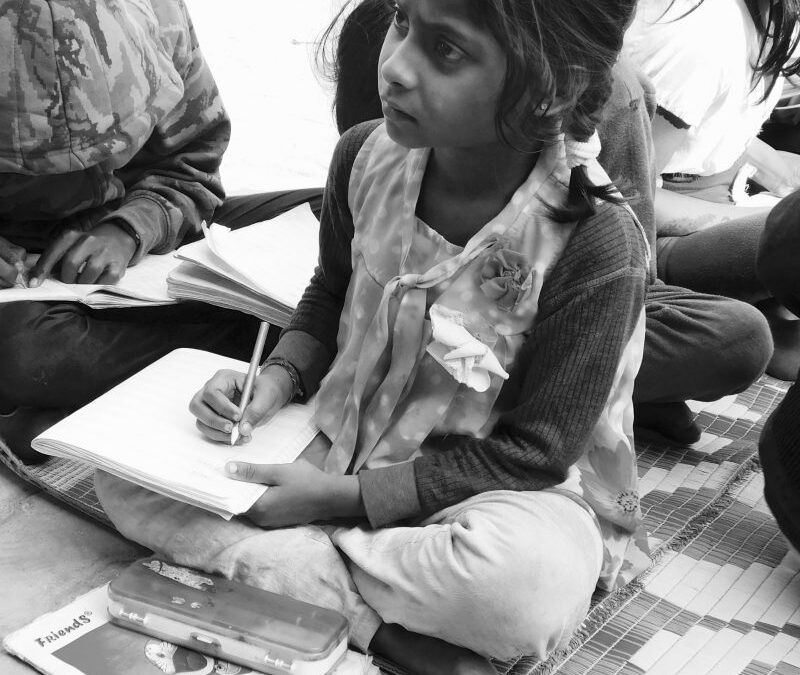
child from our Kalka Temple outreach
Whether born in a mansion or a slum, or even on the street, every child born in India has the Right to Quality Education, a right guaranteed by the Constitution. Sadly nothing is further from reality.
A recent article entitled ‘Lessons in Negligence‘ is a stark reminder of what is happening on the ground. The article is about education in Madhya Pradesh, but the reality is the same across the land.
The article introduces us to the zero-teacher and one-teacher school. A zero teacher school is a school that has NO qualified teacher and in this state there are 4,472 zero-teacher schools and 17,649 schools with just one teacher. The ‘guest teachers’ who are barely qualified run the zero-teacher schools. In the one-teacher option, a single teacher looks after 8 classes!
A school has a flat screen TV that has never been used! There is no electricity as bills have not been paid; sports equipment lies unused as there are no playgrounds. The article also mentions the existence of a locked school. The date on the board is 11/12/15. Seems nothing happened post that date: a school frozen in time. In such conditions it is not surprising that 40 per cent of students of class 2 cannot even identify the alphabet, while 65 per cent of students in class 5 cannot read textbooks meant for class 2.
This situation is not contained to Madhya Pradesh. Many Project WHY students came to us with similar problems but a little hand holding was all that was needed to make up for lost time.
Education is not centre stage. Children are rarely centre stage. One wonders why. And yet everyone knows that education alone can transform society for the better.
Children cannot wait. In no time, it is too late for them. This is one fact that we at Project WHY know and believe and that is why we have never shied away from any challenge. Whenever we come across children in need we answer the call and give it our best. That is how the Kalka Temple was set up. Today, over 35 children study there after school. Had we not done so, the likelihood of these children becoming beggars was far too real. As we go along, we will elaborate a road map for them based on their ability and needs.
Every child deserves the best; at Project WHY we strive to give her just that!
by anouradha bakshi | Jan 17, 2017 | Anou's Blog, Uncategorized
A New Year has dawned. Let it be the year where children are heard. Let it be a year when children find their voices. Let it be a year when each one of us walks that little extra step for a child in need.
Recently Nobel Laureate Kailash Satyarthi launched two initiatives: “Laureates and Leaders for Children” and “100 Million for 100 Million”. The later aims at bringing 100 million privileged children to fight for the rights of 100 million deprived children. A laudable effort that resonates with what we at Project WHY believe.
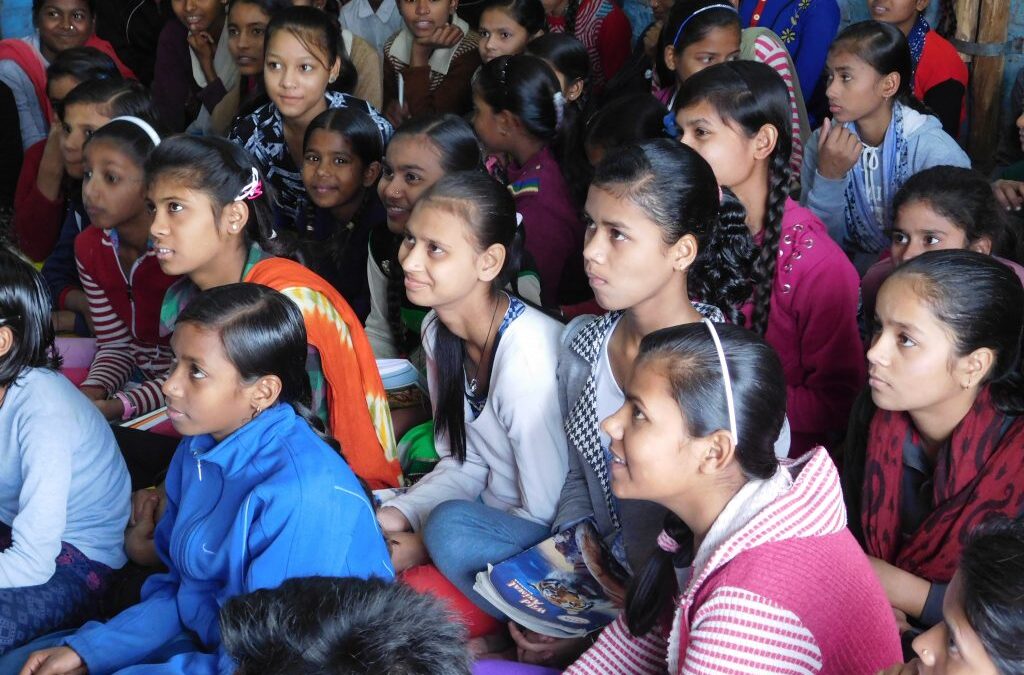
In our small way we initiated a similar effort bringing together Project WHY children and CSKM children in an effort to ignite compassion in young hearts. And we are proud to say that this happened and are eagerly looking forward to the bonds strengthening. We know they will.
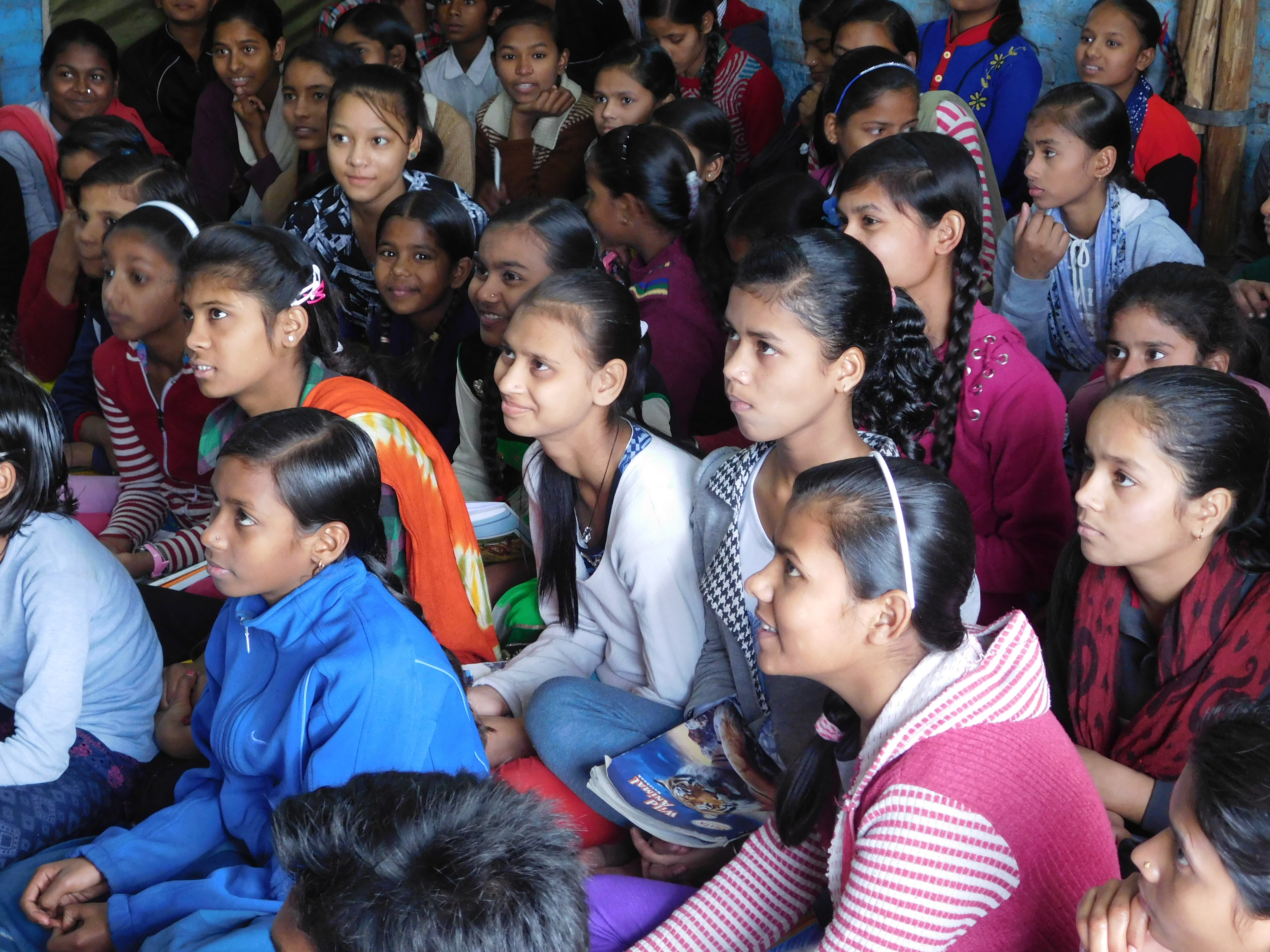
Do the girls in the picture below look any different from each other and yet they belong to two entirely different worlds, or so some would like us to believe.
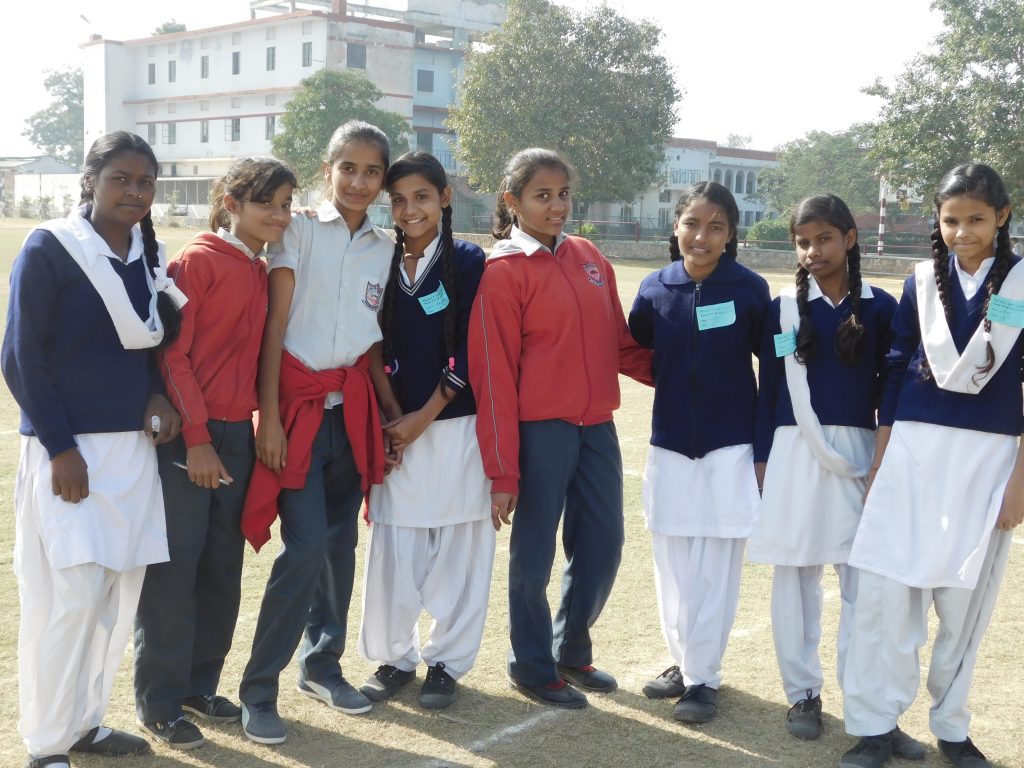
But this is a small step. We must not forget that in India children are trafficked and that child labour is rampant even in front of our eyes. So let us resolve not to remain mute and to do something!
Let 2017 be the year of the child!
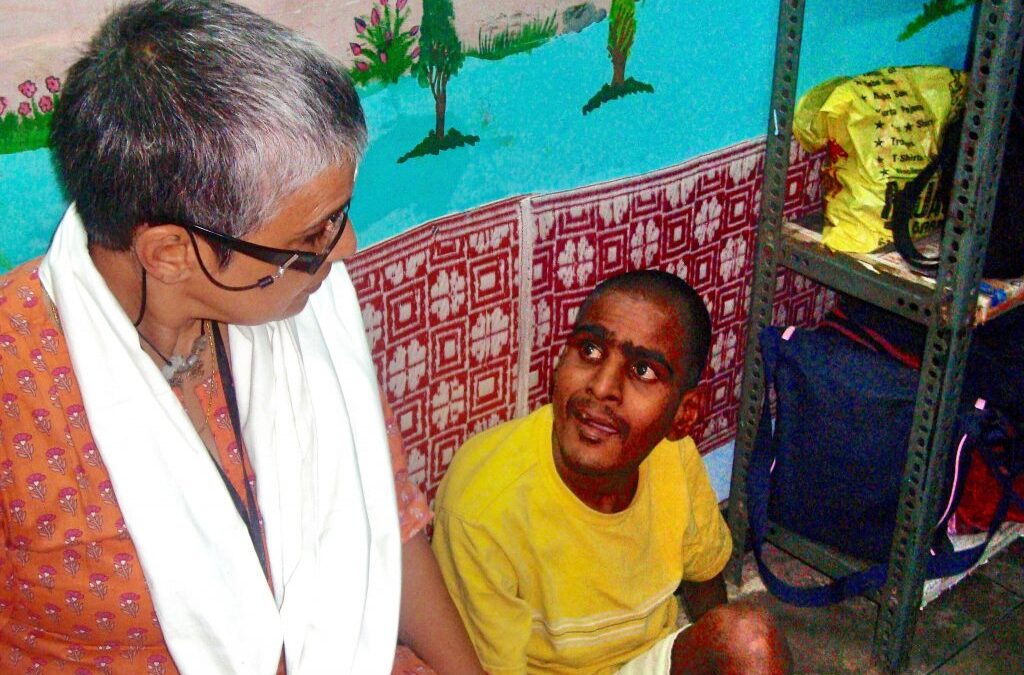
by anouradha bakshi | Jan 3, 2017 | Anou's Blog, Uncategorized
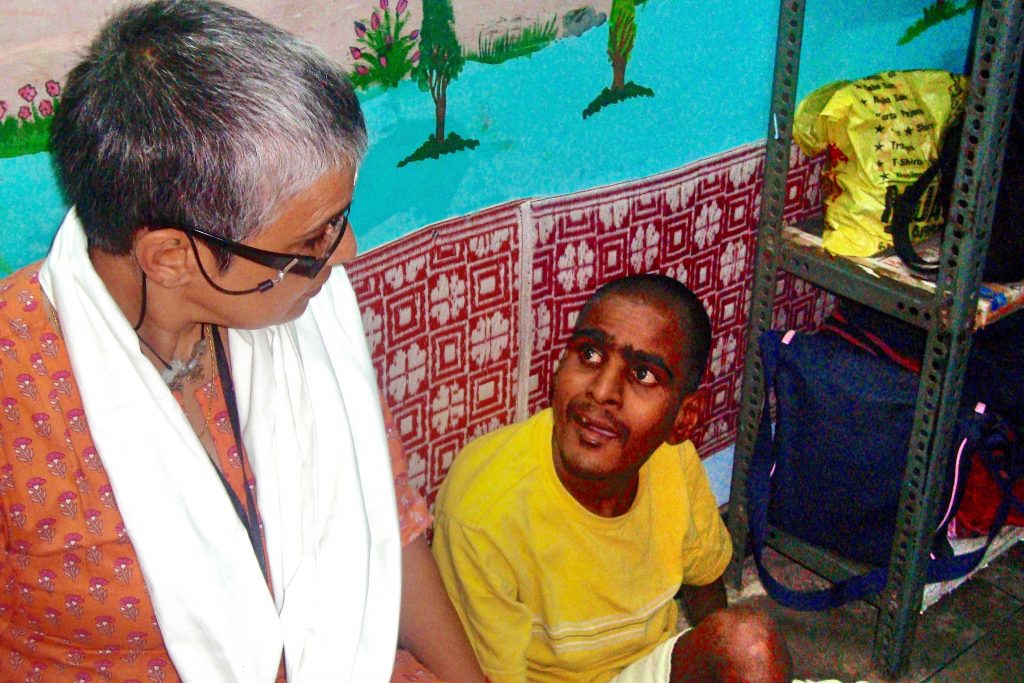
Every January, my thoughts go to Manu.
He left us on a cold January morning in 2011, and for a long time afterwards I felt lost and bewildered. I must admit that, on that fateful day, my feet faltered. I came close to giving up.
You see, Manu had been the one who showed me the way.
After the death of my parents, I had become rudderless. My heart had frozen and I no longer knew what I was meant to do with my life. It was Manu who gave me back not only the will to live, but also a reason to do something meaningful with that life—to honour the memory of those I had lost.
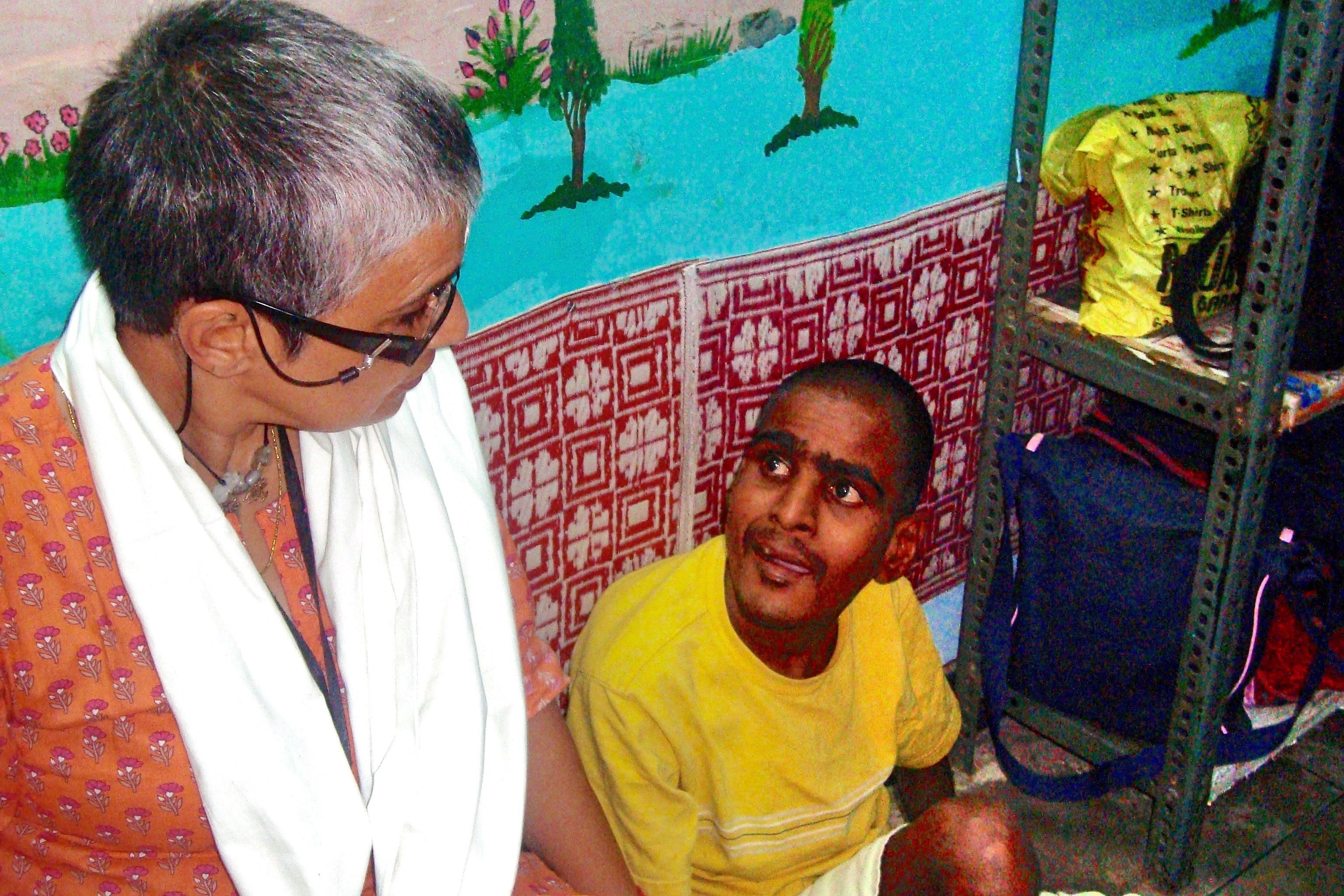
How does one define the relationship between a well-to-do woman, well past middle age, and a beggar?
It would take volumes to explain.
Or perhaps just one word will do:
Love.
Manu redefined the word for me and gave it a meaning I had never known before.
It was almost as if he had walked the same path, day after day, through Delhi’s scorching summers and bitter winters, simply to make sure that when I passed by, he would be there.
And when we met, it felt as if we had both finally reached our destination.
It was for Manu that Project Why was born.
He had been born in the same quaint Delhi street where he had spent his life. To most people, he was simply a broken, dishevelled and filthy beggar—a man to be ignored, avoided or driven away.
But I saw something else.
I saw a human being who had been abandoned by almost everyone.
And so, on a day in May 2000, Project Why was set up in the very street where Manu lived. The idea was simple: to care for him and to help the children who lived around him.
I had no roadmap. No instruction manual. No idea where the journey would take me.
I only knew that Manu needed help.
The rest, as they say, is history.
For the next decade, our lives were entwined.
Manu trusted me completely. In return, he taught me lessons I have carried with me ever since.
The most important was that no life is useless.
Had there been no Manu, there might have been no Project Why. And had there been no Project Why, the lives of thousands of children might have been very different.
Manu also taught me never to give up. No matter how dark things seem, there is always a glimmer of light if one is willing to keep walking—even when the road ahead is difficult and unfamiliar.
In my darkest moments, when the urge to throw my hands up was almost overwhelming, seeing Manu smile could lift the clouds. Somehow, the sun would shine again.
Manu was a gentle soul with a wonderfully quirky sense of humour.
We shared countless precious moments—dancing, laughing and eating together. Some of my happiest memories of him are of the simplest things: sitting together, sharing a meal, or laughing at something that only the two of us found funny.
Being with Manu was a blessing. There was an extraordinary feeling of peace and safety in his presence, as though, for those moments, everything in the world was exactly as it should be.
I do not know what saints look like.
But I think Manu may have been one.
A true child of God.
Project Why must continue.
Not simply because it began with Manu, but because every child whose life is touched by the Project carries something of the hope he gave me.
Manu showed me that no life is without value. He taught me that love can cross every boundary society creates between people. And he gave me the courage to begin a journey I could never have imagined.
He remains safe in my heart.
And, in a way, he remains at the heart of Project Why too.
Every January, I think of Manu.
And every day, I continue the journey he began.
.ue to honour is memory.
Manu remains safe in my heart.