
Back for the day#GivingTuesday#India

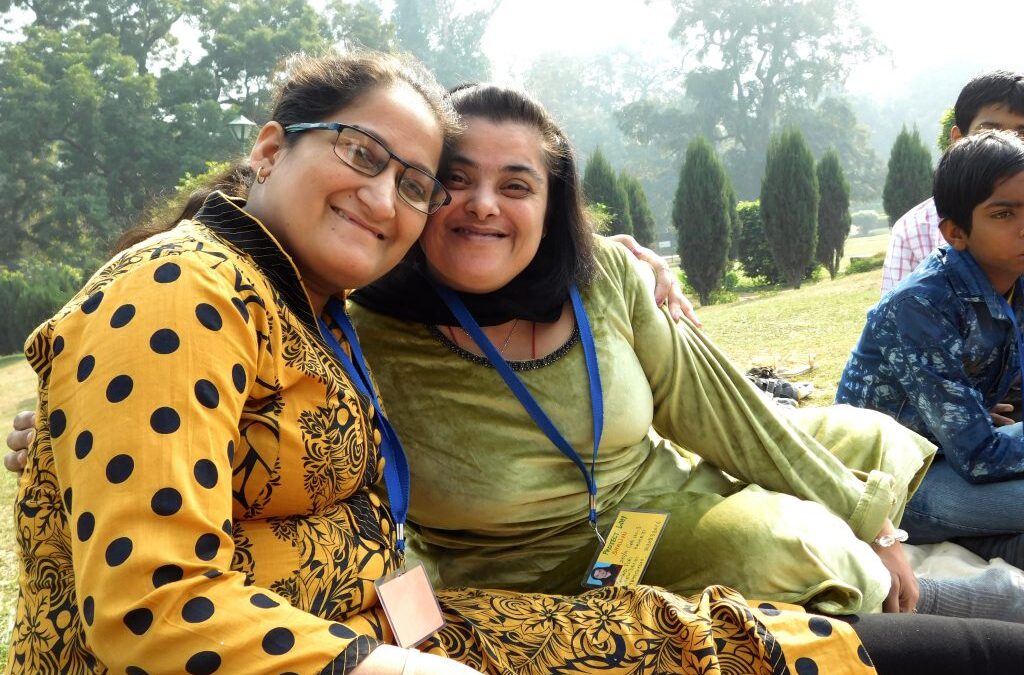
It was lovely to have Shalini back for a ‘day’ to join the Project WHY annual picnic that she has never missed for the past decade. This year she almost did as for the past months brave Shalini has been nursing her ailing mother. The often difficult stubborn special ‘child’ became the rock her family could lean on when the need arose. Her mom who passed away a few days after this picture was taken, had been bedridden for many months and needed to be cared for and the only one at hand was our Shalini. The father is very old and in poor health and her brother and sister-in-law work to ensure that needs are met leaving behind two young children to be taken care of.
Shalini did everything needed from washing clothes, to caring to her mother’s needs to looking after the kids. The once spoilt one was now the one to depend on. And she did it all with a smile.
When, a few days before the picnic, her teachers went to her home to request that she be allowed to join her friends, she was a very proud mom’s little helper and had to tell them everything she did. Needless to say her teachers well super appreciative. Her father was kind enough to allow her to come and she spent quality time with her best friend Geetu. The smiles in the picture say it all.
We never knew things would change so soon as now with her mom gone, the possibility of her becoming the ‘house help’ forever looms large. Another deafening WHY!
That is the plight of many children with special needs after the demise of their parents, more so if they are highly functional like our darling S. No one really pays any heed to their wants and aspirations. It is to address this very need that we had wanted to have a residential home for our children with special needs to give them a safe haven for life.
We will have to tread with care in our ‘mission’ to get Shalu back. We will have to negotiate and will use every trick in the book to do so. Our aim is to have her come at least for a few hours every day so that she can laugh and dance to her heart’s content.
Wish us luck!
The spirit behind Project WHY #GivingTuesday#India
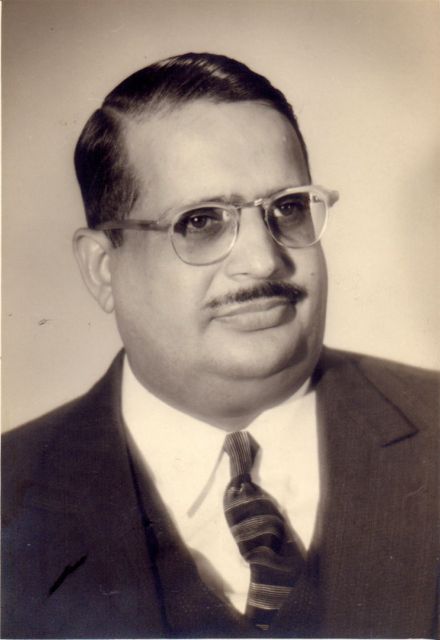
Ramchundur Goburdhun 15 August 1911- 29 November 1992
Most know us as Project WHY only. A few know that our legal identity is the Sri Ram Goburdhun Charitable Trust. And not many know who Ram was and yet if not for he, there might not have been Project WHY.
Ram or Ramchundur Goburdhun is my father.
He wore many caps through his life each with great aplomb and in his own inimitable way. As a student in his native island where the portly man I know was the mile champion of his island and admired by many young ladies! As a law student in London where passionate speeches at Hyde Park Corner would bring the needed coins to end the month. As a lawyer and then Magistrate back home where the trodden path may have led to a political career. As a perfect gentleman who courted his wife to be at times when courting was not quite known in a just freed India. As a career diplomat where his honesty, integrity, savoir faire and endearing personality were huge assets. But it is none of these that were the seeds of Project WHY. It is Ram the father who planted that seed and carefully watered it till his last breath.
If one was to look at my growing up years, they seem out of a dream: beautiful homes, governesses, criss crossing the world and the best of everything. Ram was aware of this and was careful to place the little notes needed to build a person. He always sent me to local schools where he knew I would rub shoulders with real people and learn to respect and love them. He with the help of my mama laid some unwritten rules that were needed to teach their only child true values. Toys were only bought at Xmas. The new dress was a birthday gift. Wasting food was a no no! But the one lesson that remains engrained is the Diwali blessing. After the prayers were over, Ram would tell me to go and touch the feet of everyone in the house who was older to me. That meant everyone including the staff that worked in our home. What is remarkable is that I never questioned this or resented it and that is because of the simple answer to my first why was: because they are older and will bless you.
Ram taught be compassion but he also taught me to respect every human being irrespective of their caste, creed, social background. With mama’s help he showed me how religion is one and all religions need to be respected. Again it was a well thought lesson plan based on my questions: can I fast with my Muslim friend, go to church, share a Sabbath dinner. The answer was always ‘yes’ with a small caveat: provided it does not hurt the other.
I could write volumes but that is not the point. Today I simply want to express my profound gratitude and unconditional love to the man who made me who I am.
The Sri Ram Goburdhun Charitable Trust was set up to honour his memory and to tell him that every lesson learnt at his knee had been well learnt. And most of all the last one murmured on his deathbed: have faith in India.
I miss him every minute of my life though I see him in every Project WHY child.
Let us burn schools down #GivingTuesday#India
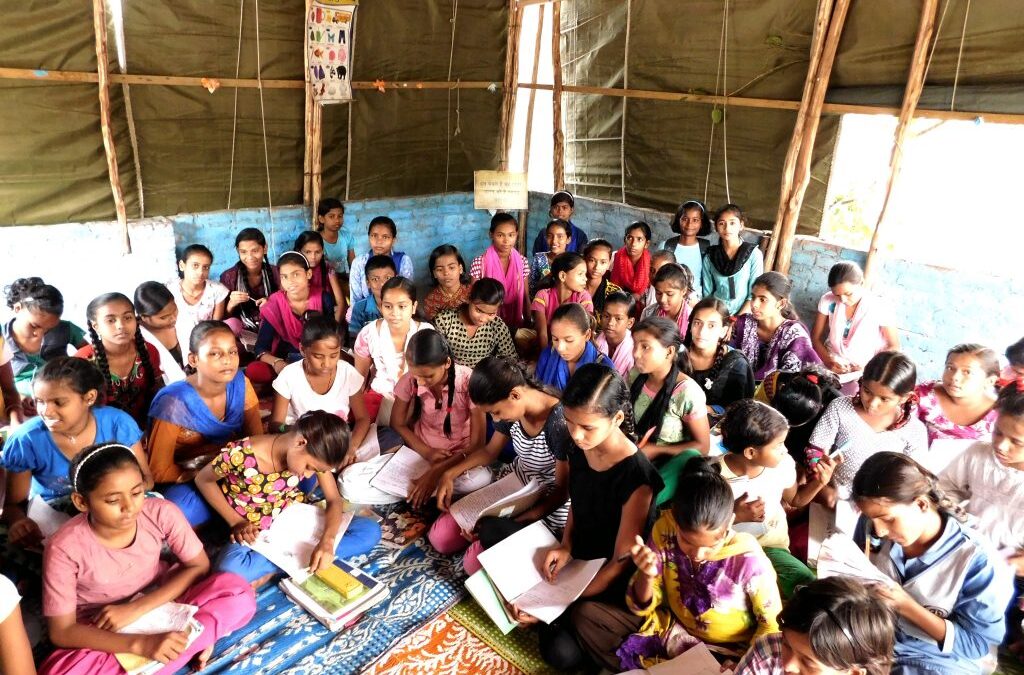
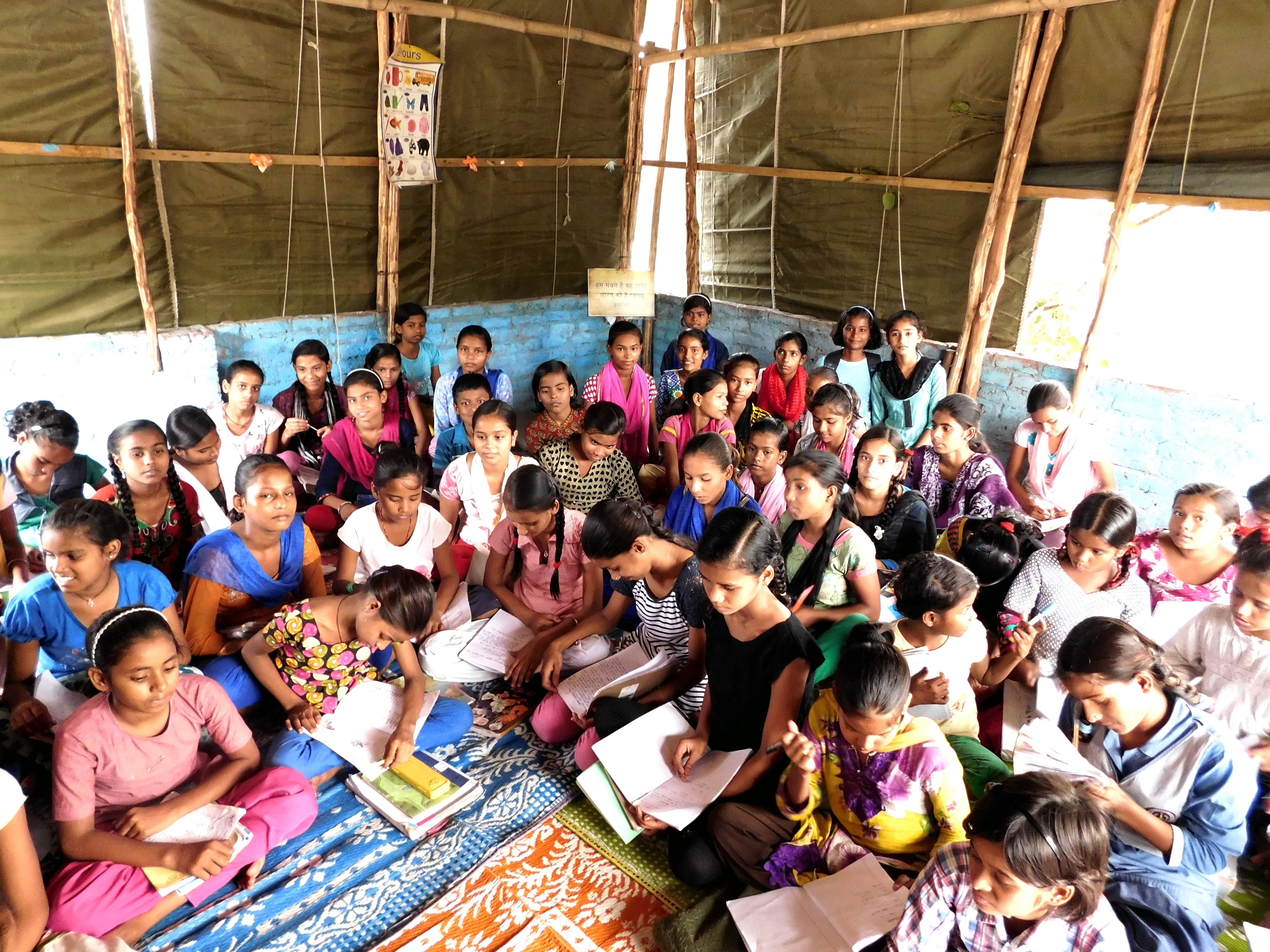 The burning of schools in Kashmir vindicates the belief that education is the most powerful agent of change. Destroying a school destroys the future of children forever. Education is a powerful tool. The question lies in the way you use it.
In the early years of Project Why we were faced with a certain amount of resentment that was even aggressive at times. This bewildered us as in our book education was something everyone should encourage and cherish. But that was not the case with us.
We were ‘evicted’ from the corner of a park by local residents and politicians. It was a clever ploy. We were told that we would be ‘give’ another park and marched to one that was a pig stye, as a local resident reared his pigs in it. The once children park was a stinking rubbish dump. Our detractors must have expected outrage and protest but all they got was a warm Thank You! They had not yet tasted the spirit of Project WHY. If this is what we got, so be it! We would work our magic. A series of negotiations with the owner of the pigs who was known for his muscle flexing and the help of a few friends, not only was the park divided between the hogs and us, we transformed the park into a lovely space. It had a huge yellow tented roof and plants all around.
The truce lasted a year. The next attack was bulldozers. It transpired that the park was now needed to ‘build’ a community centre. We moved lock stock and barrel to the roadside. But classes never stopped. The game continued for a while and then petered down.
It took us a while to understand the reason for such vehement resentment and then the penny dropped. Education was acceptable if it followed the norms, these being teachers from one side of the divide and students from the other. But that was not the Project WHY model, for us teachers and kids came from the same source. That meant social transformation and that was not acceptable. We were changing minds, teaching children to think for themselves, urging them to ask questions and giving them a voice. In short we were empowering a community and that could be dangerous.
Everything in the book was thrown at us from threats to spreading false rumours but we did not budge. We simply wore them down. Education came out the winner and so it will remain
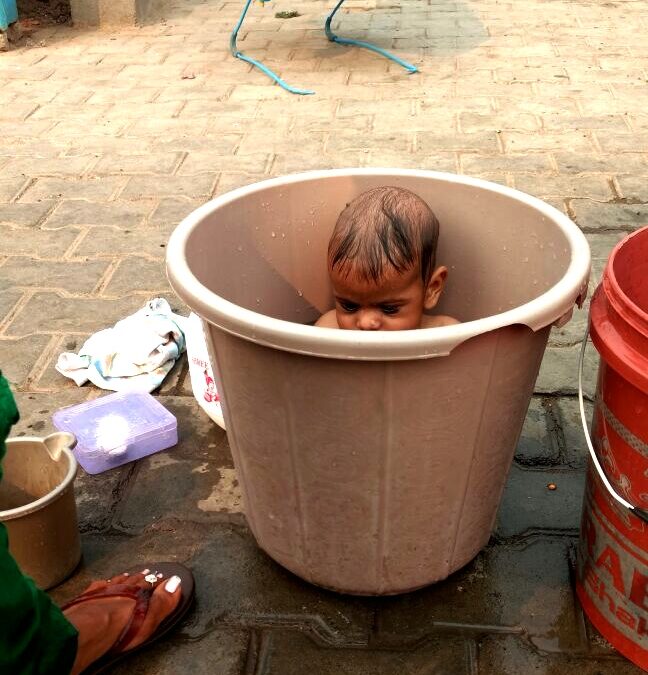
The bucket baby #India
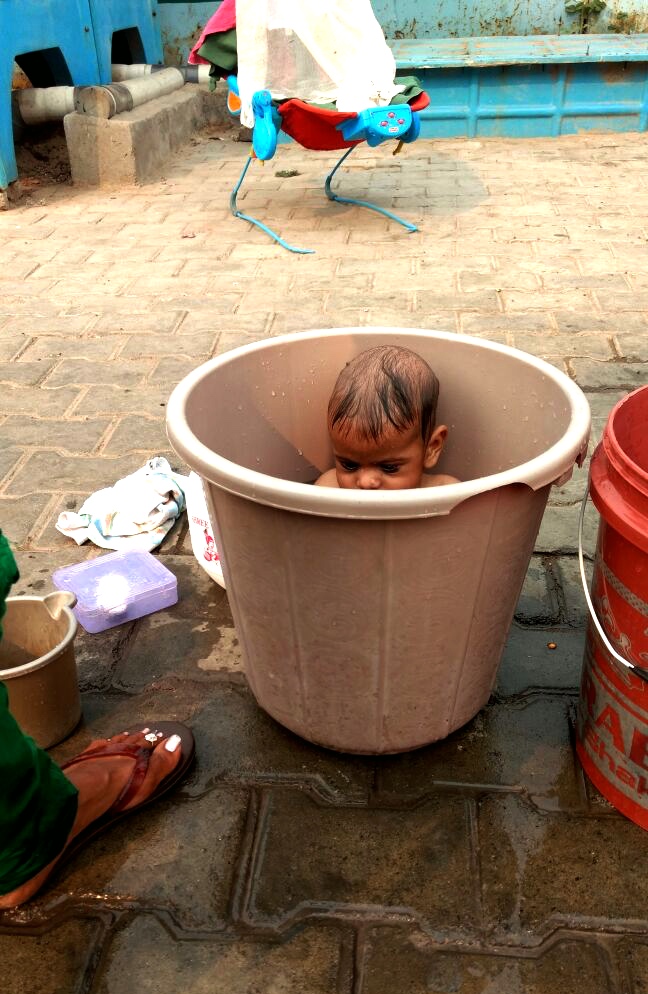
India celebrates Children’s Day today. There will be celebrations across the land. But for some, like the little fellow in the picture we now fondly call the ‘bucket baby’ it will be a day like any other.
This little fellow was born around the time Project WHY launched its pilot project for the Kalka Temple beggars’ kids. It was and is our strongest belief that education and EDUCATION only can help these kids break the shackles they are born with. The reason we began this project was because some parents had already realised the power of education and were sending their kids to school. We knew that the school alone would not make any difference. What was needed was a sprinkle of the Project WHY magic.
Today around 30 children come to the women’s night shelter in the afternoon where we run a class.
Sharing space with a handful of beggar women, often women abandoned by their families, is a rewarding experience that has not only shattered many misconceptions but compelled us to look at a world we once shunned with new eyes and newfound respect.
Today being children’s day, we share a little story that we hope will bring a smile to your face.
The women’ shelter is a large high roofed room where a handful of women live. It is often the space pregnant women come to to deliver their babies. We have seen four deliveries in the last 3 months. The shelter has rules like no beds or furniture etc and though there is water and even a clean bathroom, there is no way to heat water as no cooking is allowed hence no stove!
Beggar mommies are proud mommies who just like all mommies want the best for their babies and want to keep baby clean. So baths are a must. So they have found a solution. Water is poured into a bucket and then the bucket is kept in the sun, if sun there is. When mummy feels that the water is warm enough then baby is dunked in and washed with soap then quickly taken out and wrapped in a towel and hugged tight. What you see in the picture is baby’s bath time!
Happy children’s day!
The PT exam question #GivingTuesday#India
project why
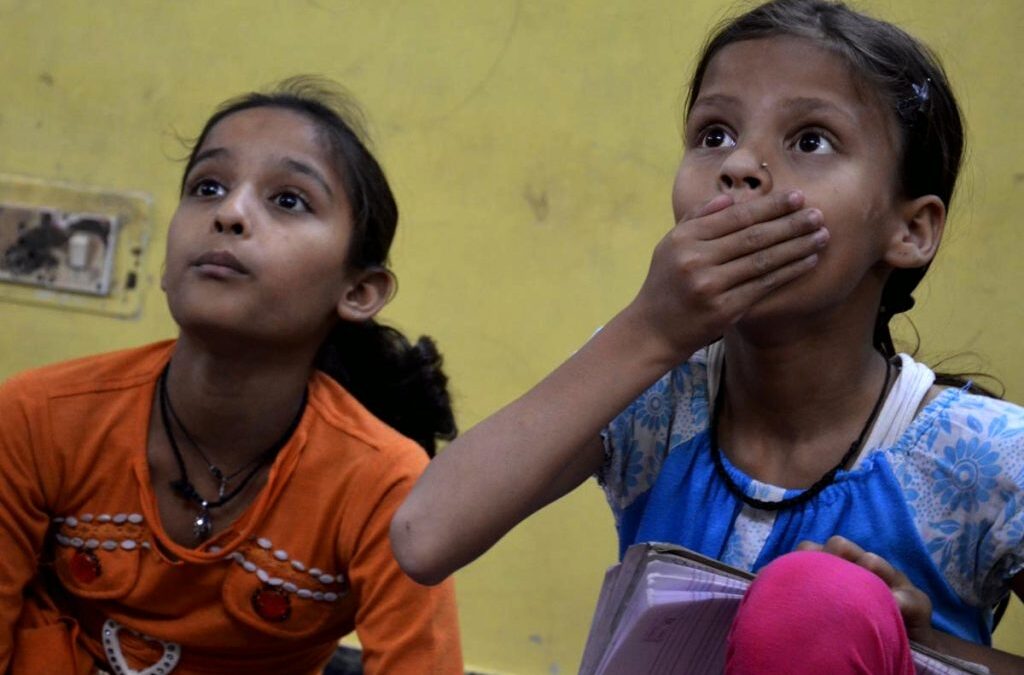
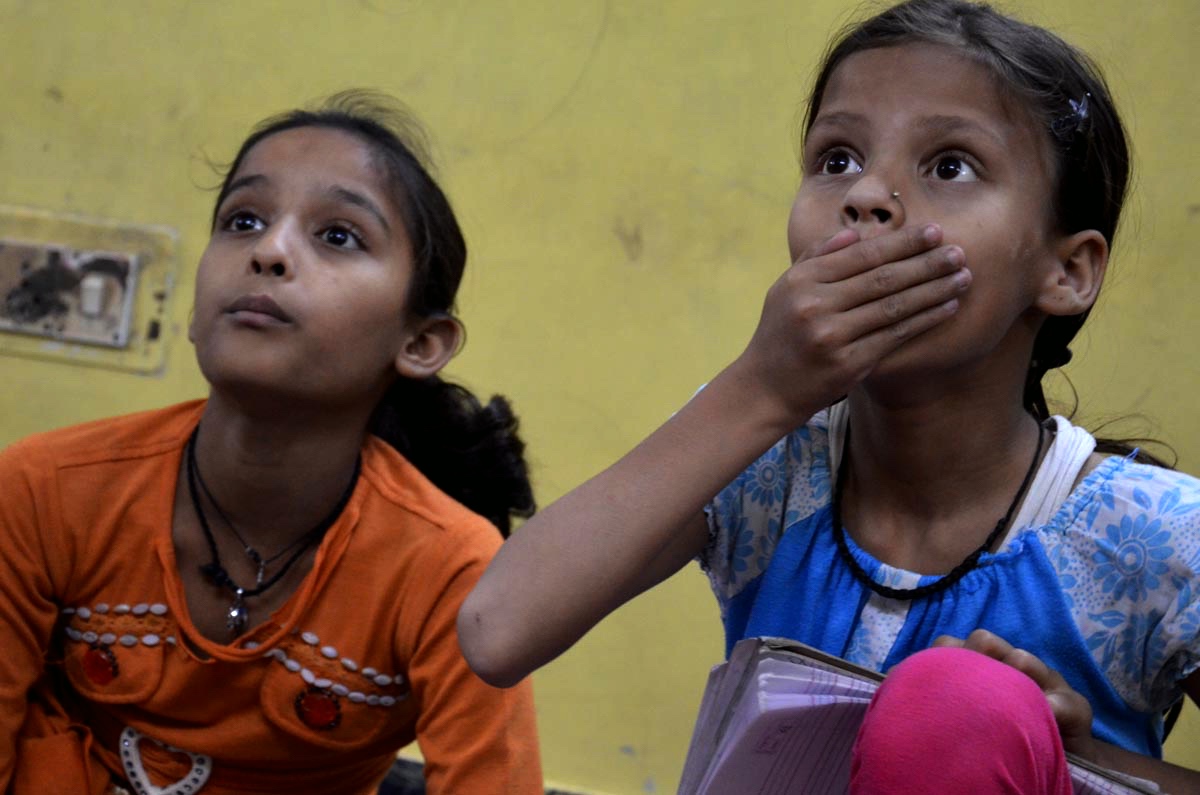
PT as we all know or at least presume stands Physical Training and is a high school ‘subject’ in India. It would be reasonable to again presume that it means playing games, training for individual and team sports etc. Not quite so in the Chacha Nehru Hindi High School, Bhiwandi. There you also have written exams! In the annual exam for class IX this year, the students were gobsmacked when the came across one the questions: Who is Virat Kohli’s girlfriend? For the uninitiated he is India’s Cricket team Captain. This was a multiple choice question and three known actresses were the choices given.
Does one laugh or cry?
This was a question out the prescribed syllabus. If one peruses the NCERT syllabus for the said subject, one learns that its aim is to : provide the required theoretical and practical inputs in order to provide an integrated
and holistic understanding and developing positive attitudes, values, skills and behaviour related to health and physical education at the primary, secondary and senior secondary levels.
A somewhat obscure definition but still one wonders how the knowledge of who is the current love interest of a cricket star does not meet the guidelines in any which way.
So one wonders why the question was included by the teacher who set the paper. Was is just for fun and popularity to be the ‘cool’ teacher? But what about those who have no interest in cricket and even less in the love life of the players. The question are endless but none seems to be satisfactory and acceptable. Parents are worried that their kids may have not known the answer as it was ‘out of syllabus’?
It is true that cricket is a passion and that many young people are totally aware of facts and trivia but not everyone. In a country were education is primarily by rote, even the brightest student may not have known the answer.
But it does not end there. Many deeper questions come to mind. The first one is about the seriousness and competence of the teacher. If one were to play the Devil’s Advocate one could say that the teacher was trying to test the student’s interest in other matters: did s/he read the newspaper, watch the news etc. But this does no stand ground as everyone knows that in the present system even half a point can make the difference between college or no college and hence you do not play around with the syllabus in an exam question paper.
This is indeed a very small matter but it does once again shed light on the critical importance of the need of an complete overhaul of our education and marking system, so that children can be freed from the stranglehold of impossible marks.
Project Why is very conscious of this anomaly and strives to take education outside books and walls.
Another form of gender bias #GivingTuesday#India
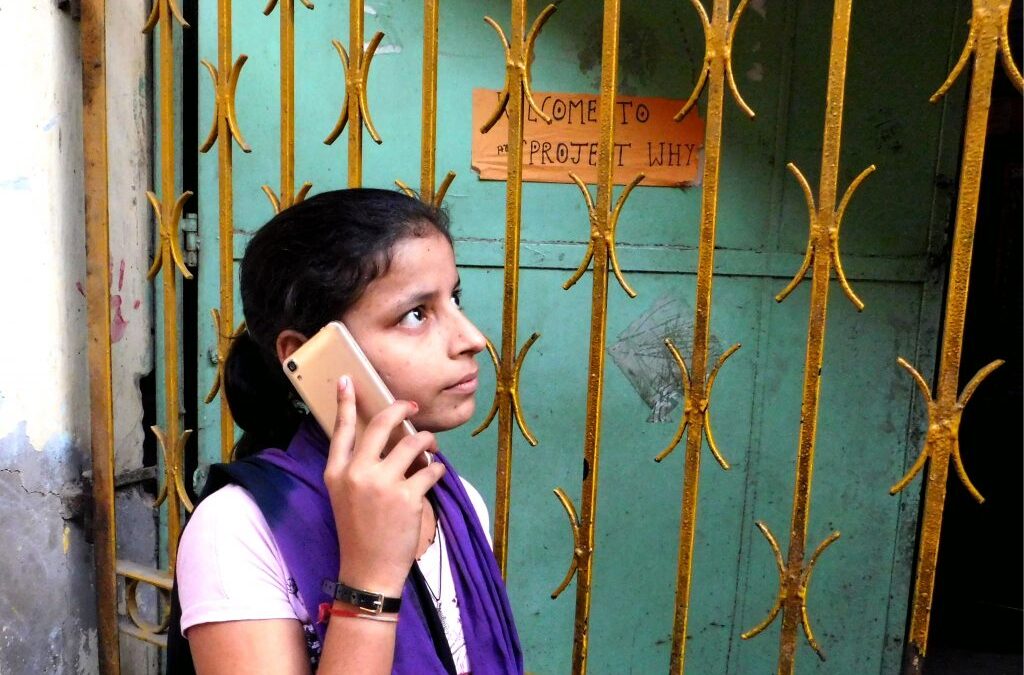
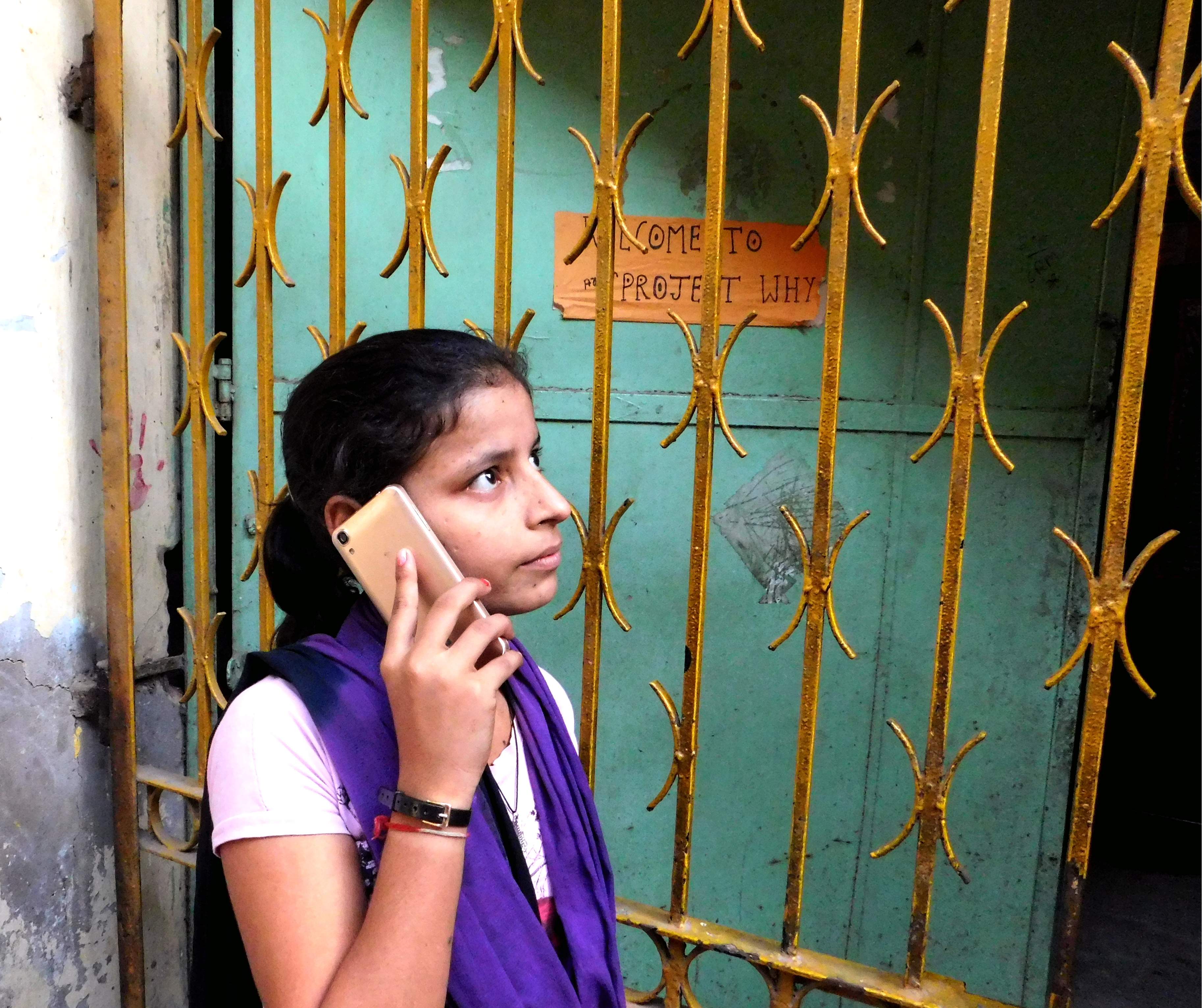 An interesting article appeared in the Wall Street Journal recently. It is entitled: Why the Vast Majority of Women in India Will Never Own a Smartphone. The emerging new middle class will purchase all sorts of things ranging from washing machines to even air conditioners but would not buy a smart phoneA for their daughters. The fear is a love marriage, something unacceptable to many families. Patriarchy supersedes technology.
Statistics are glaring: 114 million more men own cellphones than women. Once again women are denied the benefit of one of the greatest technological leap of our times. Smartphones are not just love machines; they have become an essential tool in our day and age and more than that are a great social leveller. They can help learn, increase skills, communicate better and above all increase their safety when they are out of the homes. But the fear is so deep seated that in rural areas village councils bar unmarried girls from possessing a cellphone.
The whole matter lies on the skewed view of placing the family’s honour on the tender shoulders of the girl child. An aberration!
Even those meant to protect us are quick to blame the woman for crimes like rape and even the ubiquitous cellphone as was the case a few years ago. when a police officer said: western culture, mobile phones and lack of entertainment as reasons for rape. Still trying to decipher the meaning of these words.
The question that begs to be asked is why is no one willing to address the cause and take measures to eradicate it. The bandaid solutions that are too often proffered are always steeped in gender bias. It takes two to tango, but in these cases only one is reprimanded.
From the day she is born, the girl child is treated differently at every step. She has one reason to celebrate at least she is not one that was killed in the womb as is sometimes the case. From the day she is born her life is decided by the men of the families she will ‘belong’ to: father, brother, husband and in her twilight years son and so are her choices.
Today it is the smartphone. God knows what it will be tomorrow.
In 2005 a letter was written to a girl who died in the in the womb. It ended wit these words:
Who are you: a statistic in the records of the hospital, a pain in the heart of many that will slowly fade away, a regret, a topic of discussions with its share of ‘ifs’ and ‘buts’… I do not know..
To me you are the little girl who refused to be born in a world that she felt was not worthy of her… a child who took her one and only independent decision..
And we abide by it…

The seven vegetable pizza #GivingTuesday#India
Way back in December 2007 we celebrated Xmas at the women centre. One of our resident at the women shelter was Christian and she told us about the cakes her mom made and we ordered many for the party. Sophie one of our volunteers wanted a full scale celebration so there was a Xmas tree and all other decorations as well as pictures of Santa and gifts of course.
The children however were not Christians but mostly Muslims with a scattering of Hindus and it was left to me to make the link that would make sense to the kids. The kids got it as they always do: treats! Ladoos on Hindu days, vermicelli pudding on Muslim day and cakes at Xmas. As simple as that.
Festivals are about food.
Recently I was shown another side of the religious food story courtesy a wonderful volunteer of Indian origin who has always lived away from this land but whose family has followed traditions by simply adapting them. In their community you eat seven vegetables on Diwali. The hitch is that no one really likes a vegetable curry. What do you do? You take your kids’ favourite food and adapt it: enter the seven vegetable pizza, the family’s answer to traditions.
To me it was more than a ‘story’ that brings a huge smile to one’s face. This pizza held the true essence of the Hinduism I was brought up in and which embraces all and adapts to any situation.
Maybe we will have a seven vegetable pizza for Diwali this year!
Thank you Viren!
What Bob Dylan meant to our generation #ThrowbackThursday
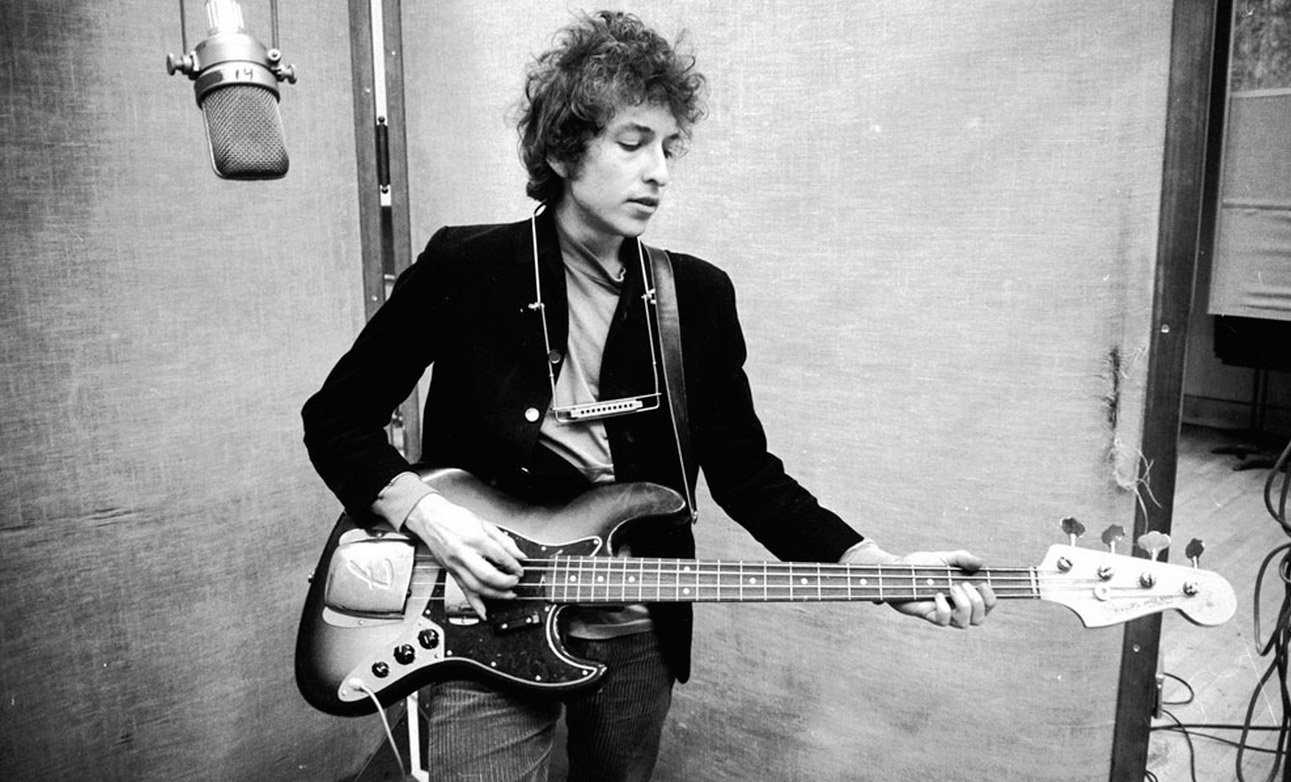
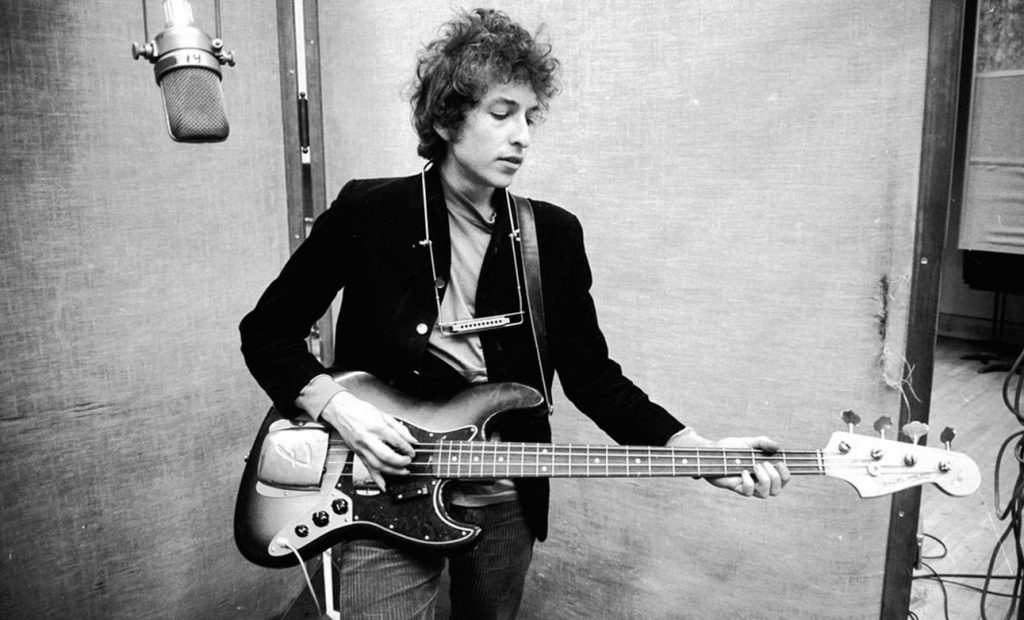
The news of Bob Dylan getting the Nobel Prize for Literature was one of the best news coming my way in a long time. For those of us who were young and impressionable in the sixties Bob Dylan was an intrinsic part of our lives.
I write this slightly personal note today as I want young people to know how deeply we were influenced by song and poetry and how important it was to us. Let us call it serendipity, but a few hours before I heard the news I was telling a young man how ‘dating’ in our time meant sitting in a park reading poetry or singing Dylan songs. In those days music was heard on turntables and the more you liked a record, the more scratched it became but who cared. Those vinyls in their soon tattered covers were our prize possessions.
Dylan was more than a song to listen. His poignant and hard hitting words use to lead to heated debates that moulded our pliable minds and the adults we became were definitely influenced by this incredible poet.
What is amazing though is that hearing his words today, half a century later are still as meaningful as they were then.
In those days we believed we could remake the world into a happy and peaceful and it was the age of the flower children and the hippies on a soul journey. That did not happen.
Today the world is the antithesis of what we had dreamt. And never before have Dylan’s words rung more true.
Yes, and how many times must a man look up
Before he can see the sky?
Yes, and how many ears must one man have
Before he can hear people cry?
Yes, and how many deaths will it take ’till he knows
That too many people have died?
The answer, my friend, is blowin’ in the wind
The answer is blowin’ in the wind
Bob Dylan 1963
Warriors of Air #GivingTuesday#India

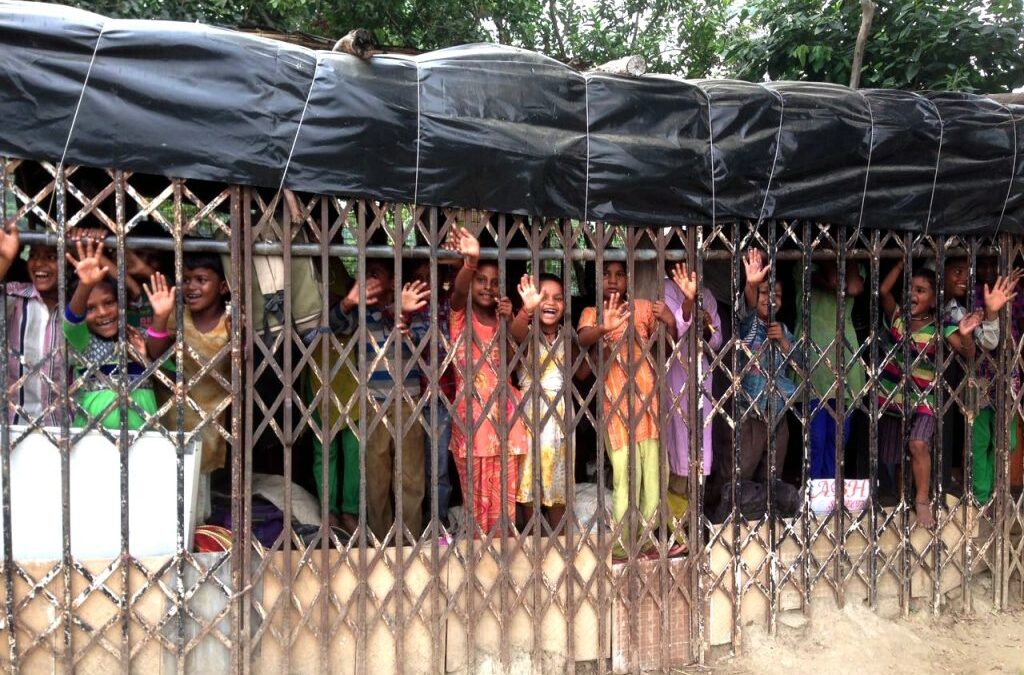
Don’t go by the picture! These kids are the luckiest as they live on the bank of the river in the middle of green vegetable patches and breathe good clean air, or at least the best available in our capital city.
For the others the invisible bars of polluted air are slowly appearing and will soon incarcerate us all for the months to come.
You guessed right! Air pollution is on its way. WHO has just confirmed that Delhi’s air is the worst of all megacities. Fine particulate matter is already four times more than what is acceptable.
That the situation is critical is obvious but to put matter in perspective here is a fact: India’s capital was the only megacity to record a PM10 level above 200 µg/m³, exceeding the WHO air quality standard of 20 µg/m³ by more than 900 per cent.
The monsoons have gone and with it blue sky and breathable air. For the past few days a grey lid covers the city and no, its is not rain clouds. In some areas farmers have begun to set harvested fields on fire, construction sites are thriving and in a few days festive celebrations will begin and firecrackers will burst with impunity. And then as winter comes small fires will be lit to keep warm, more fields will be set on fire, cars will rev in the traffic and the smoke of industrial chimneys will add to the toxic cocktail. And we will be breathing this air as we have no choice.
Or do we?
We all know that the air is polluted, that water is scarce and so on but how many of us take any remedial measures. The rich will buy air purifiers and soon the poor will too as prices are coming done. Market forces!
Is it not time to stop looking for bad aid solutions and do something for mother Nature.
Easier said than done as the fight is somewhat skewed. Talk of firecrackers and it is all brought down to mores and tradition, and what about the fire to warm yourself. When you live on the street then that is the only way you can beat the biting cold. For farmers it is easier to set fire on the land than painstakingly pullout old roots.
Air pollution has dangerous effects on humans, animals and plants. It leads to heart and lung disease, global warming, acid rain and more. Children are the most affected. Children from urban slums suffer the most as they rarely take a break and get to breathe clean air.
The problem with the solutions are that they require life style changes that many are not willing to adopt: take the bus or the metro instead of your car, switch off lights and appliances you are not using.
Some measures are impossible because of no availability of safe infrastructure. One would love to walk but where are the pedestrian walks, one could cycle to work but where are the cycle tracks. It is said that if water is sprayed regularly on roads and construction sites there would be a change in the air quality, but this again is Catch 22 itself as water is scarce and precious.
Most of these solutions are not in our hand as they involve government and administration.
At Project Why we believe that the first thing is to make children aware of the critical situation that exists and then inform them about the ways to curb air pollution so that even if they cannot do things they can become Warriors of Air.
Some of the steps they can participate in are: segregation of garbage. asking their families not to take motorbikes for short distance errands, learn to recycle and reuse, convert garbage into compost, switch off lights, etc.
Let us not forget that it is children who suffer the most. 4.4 million children in Delhi already have irreversible lung damage. So if not for us we have to think of the children and their tomorrow.
It is only when we ALL accept to become Warriors of Air that things will change.
Learning to…#GivingTuesday#India
 Two weeks ago, two class XII students murdered their teacher. The reason: he expelled one of them for poor attendance. Rage, anger, frustration? Nothing can condone violence of this kind and the boys will face the law.
The question that begs to be asked, though few will, is: who is responsible for this brutality and the answer may not be as easy as one would like to believe.
This extreme action should compel us to look at reality in the face. The two boys were school going and had studied hard enough to reach class XII. They were not one of the (ill)famed dropouts.
That any child would resort to such abhorrent violence must lead us to look at the present education system and social environment our young live in particularly in urban slums. This post is not meant to justify the act but prevent it in days to come as violence and aggression are an intrinsic part of the DNA of underprivileged children.
Education is undoubtedly the one tool that shapes mind and thus life. School should be an enabling environment where every child blooms according to her or his capabilities and talent. Education goes far beyond three Rs.
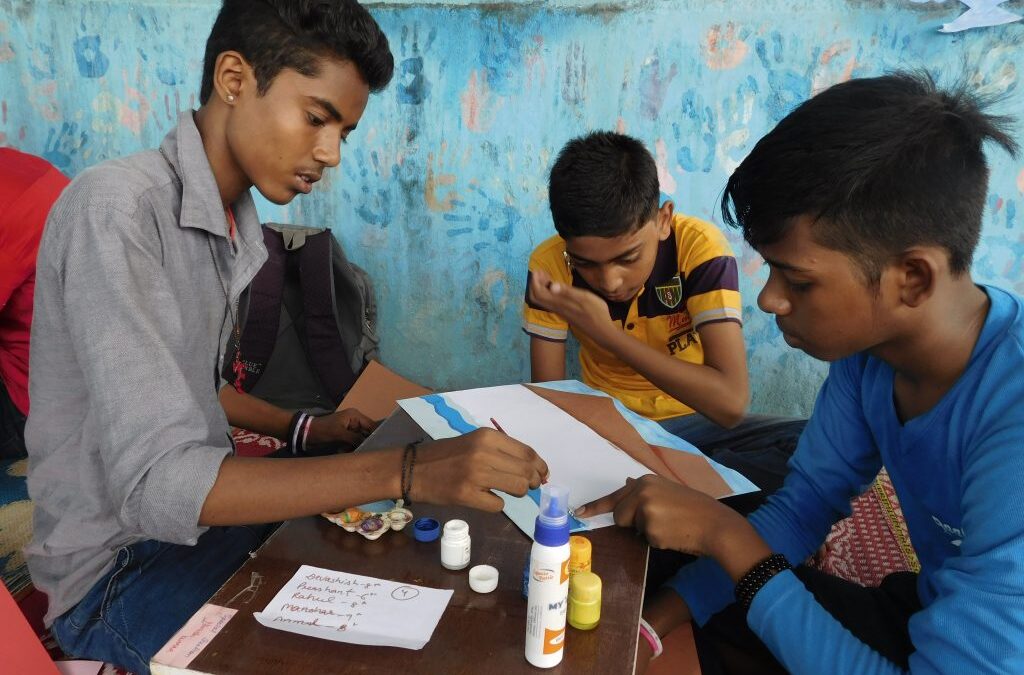
At Project Why we have always believed in Jacques Delors definition of education, namely his four pillars of learning: learning to learn, to do, to be and to live with others. Sadly education as we know it stops at the first.
One of the reasons of setting up Project Why was to address a unnatural reality: the half day school system whereby boys go to school post lunch. The school is for girls in the morning. Boys are left to their own device as their homes are tiny and so the street becomes their realm. With no quality parental control they are left to themselves. Bunking school becomes easy and as they grow the transformation between child and bad element is bound to happen. What we forget is that we are a part of the terrible mutation.
That they should be aggressive and even violent is again to be expected. Child physical abuse is rampant in both homes and school and becomes the only tool they know. No one talks to them or asks them their point of view. Communication is one-way from adult to child and they have no voice. So where do they learn to be and live with others.
We once asked a group of secondary students who were regularly beaten in their school what was the one thing they would change if given a chance and ALL of us would have bet our bottom dollar that the answer would be physical abuse. We were astounded when they told us that they would give the child a chance to explain himself before beating him. Beating was par to the course. What they wanted his a voice.
Children need to be heard. Children need to be recognised as individuals. Children need to be respected. Their talents need to be discovered and honed. They need to be given means to vent their anger and emotions. If the two boys who now will spend years in a brutal jail had been taught better then three lives would have been saved.
It is time we took responsibility and acted. Education reforms are needed but again they have to be the right ones, the kind that helps every child to grow to her or his full potential.
All television is educational television. The question is: what is it teaching? #GivingTuesday#India
All television is educational television. The question is: what is it teaching? wrote Nicholas Johnson.
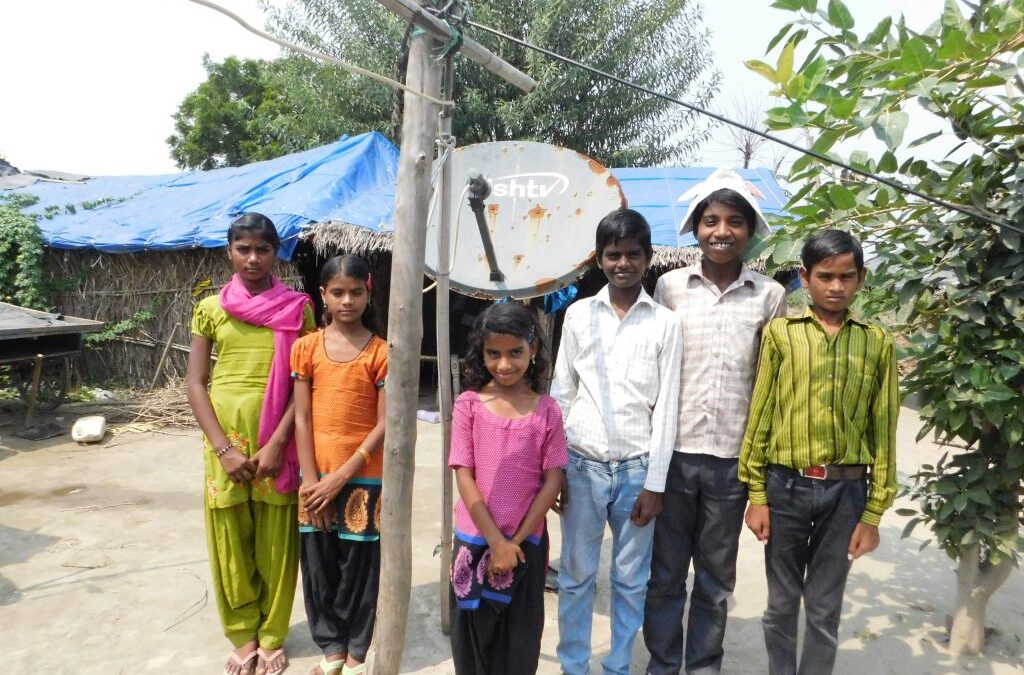
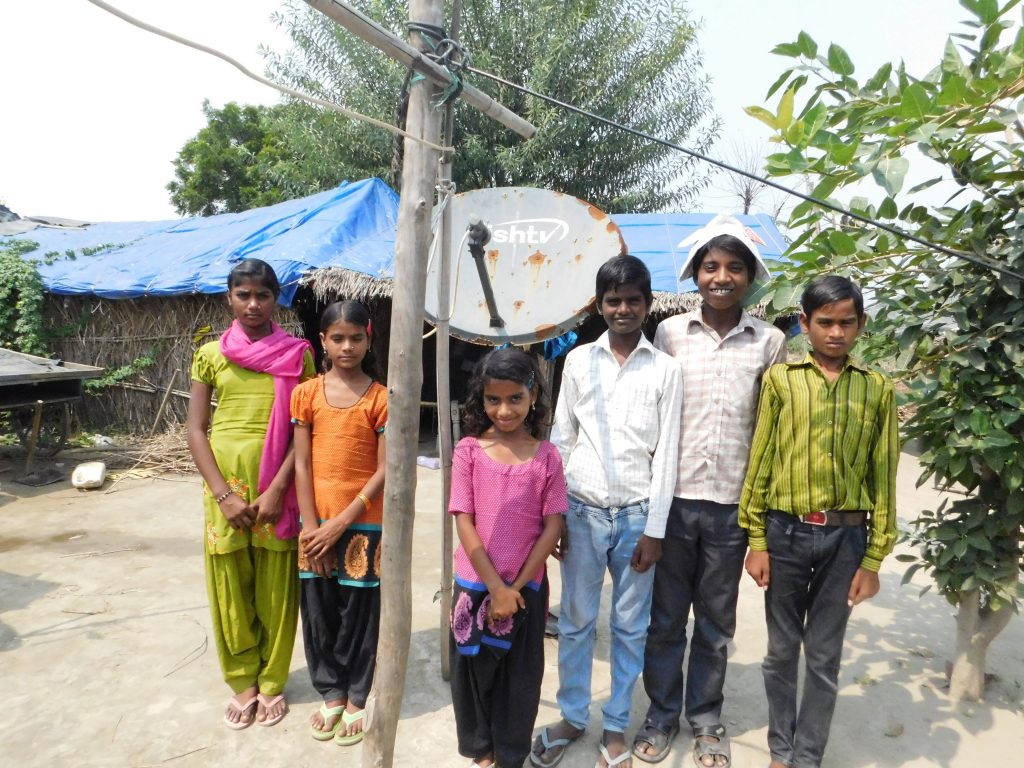
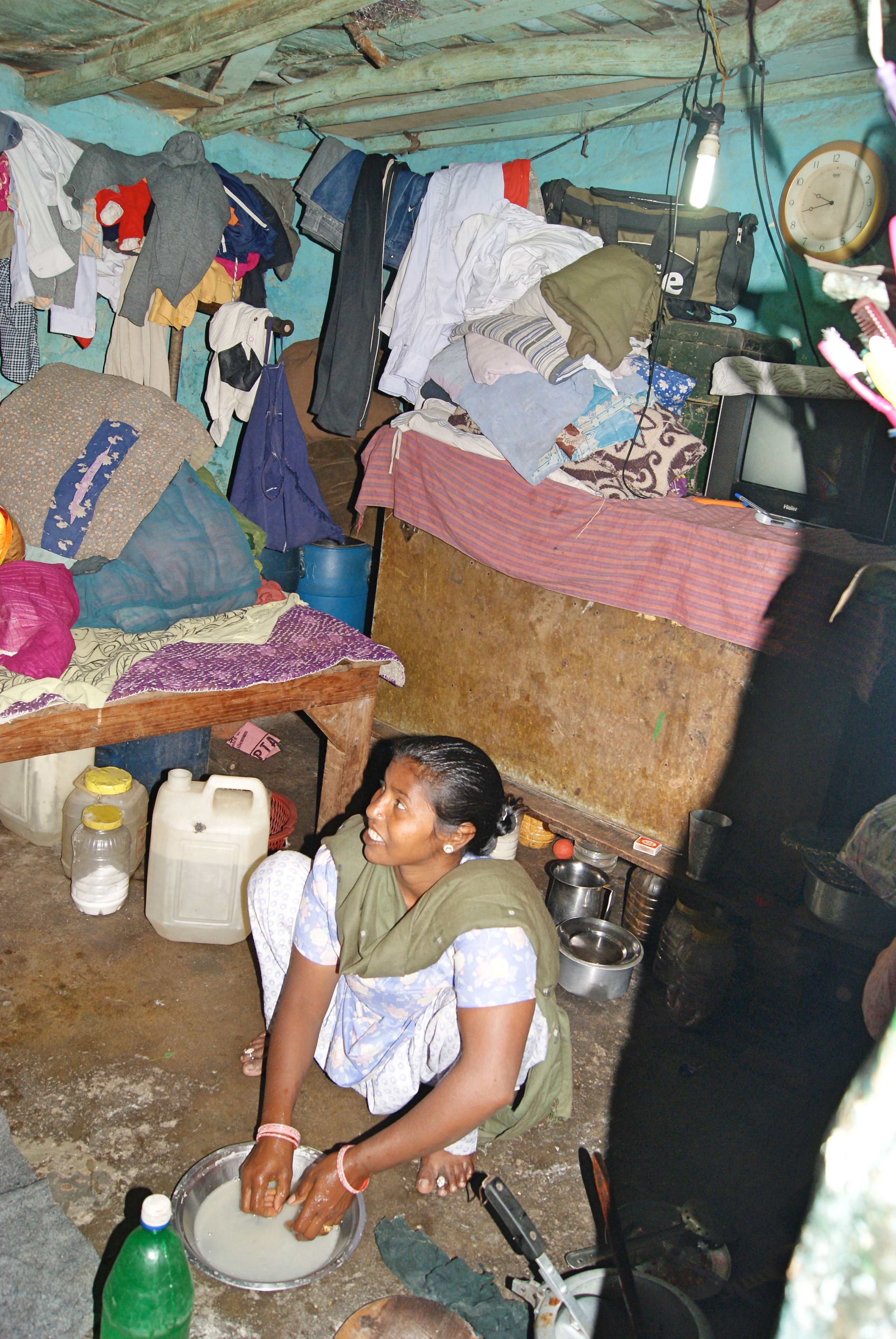
Television is the most ubiquitous object as it breaks all social barriers and finds its way in every nook and corner of the land. Satellite dishes dot the most unlikely roof tops from crowded slums to the thatch homes of the agricultural labour tending to vegetable fields.
SONY DSC
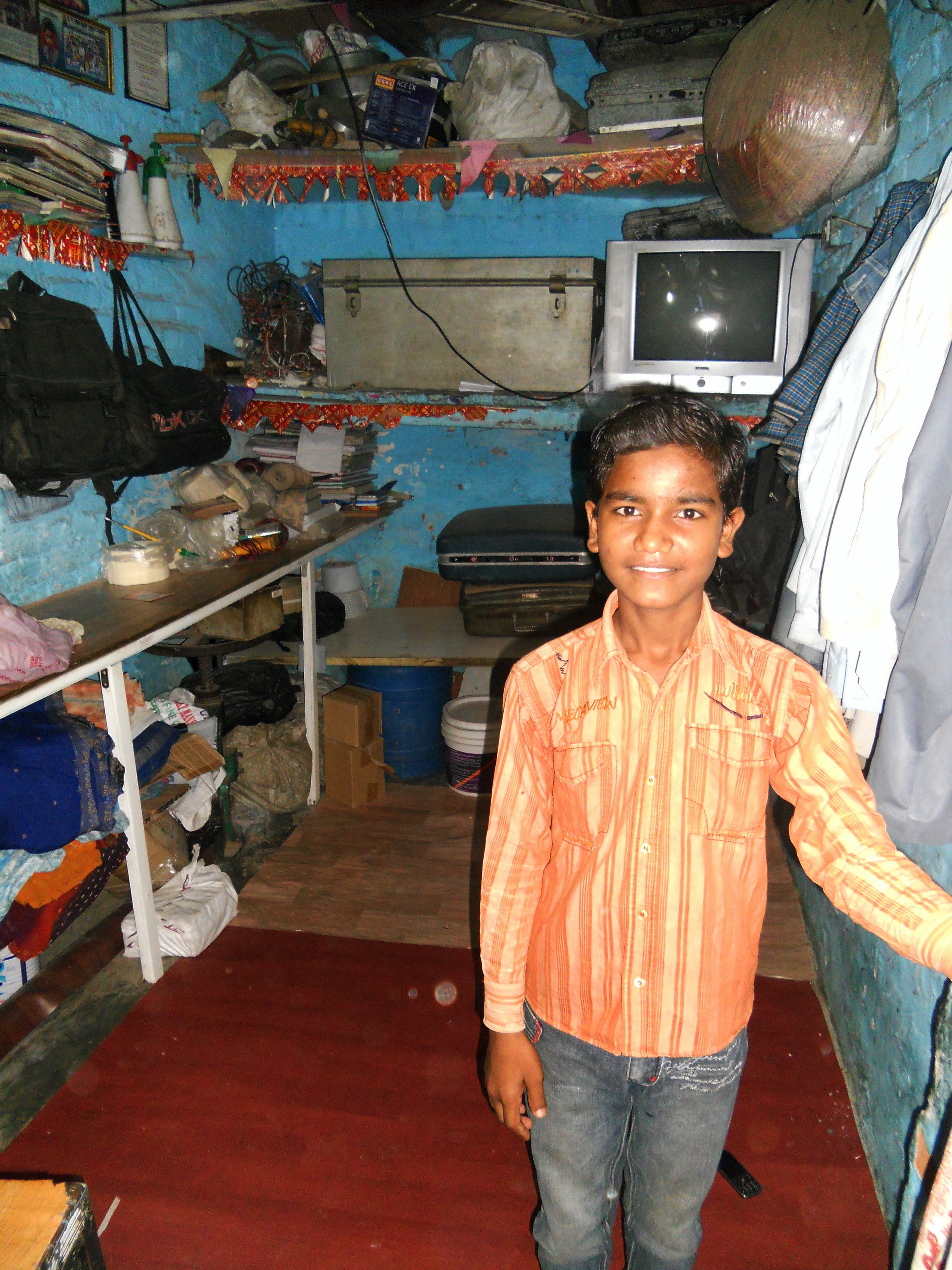
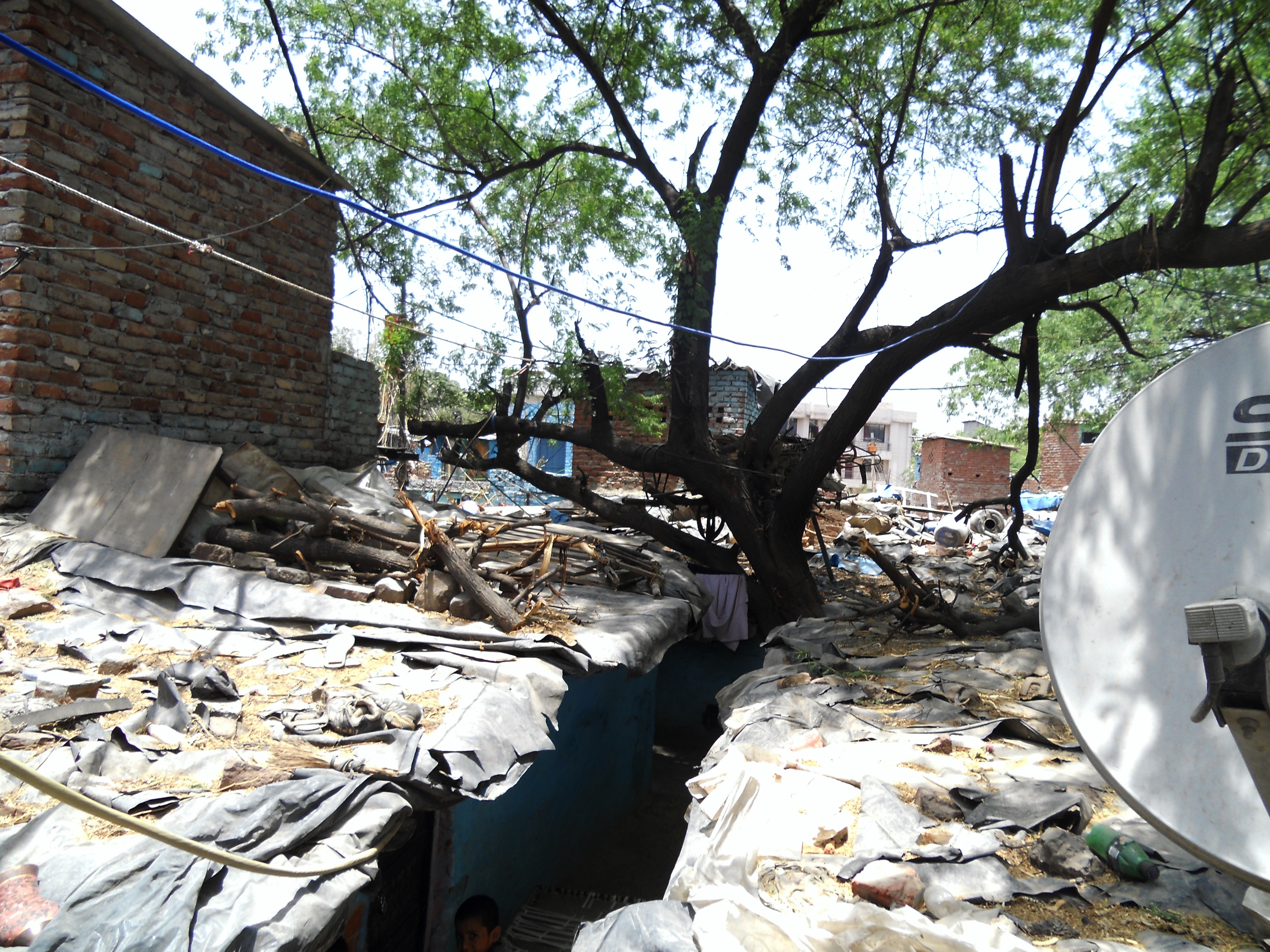
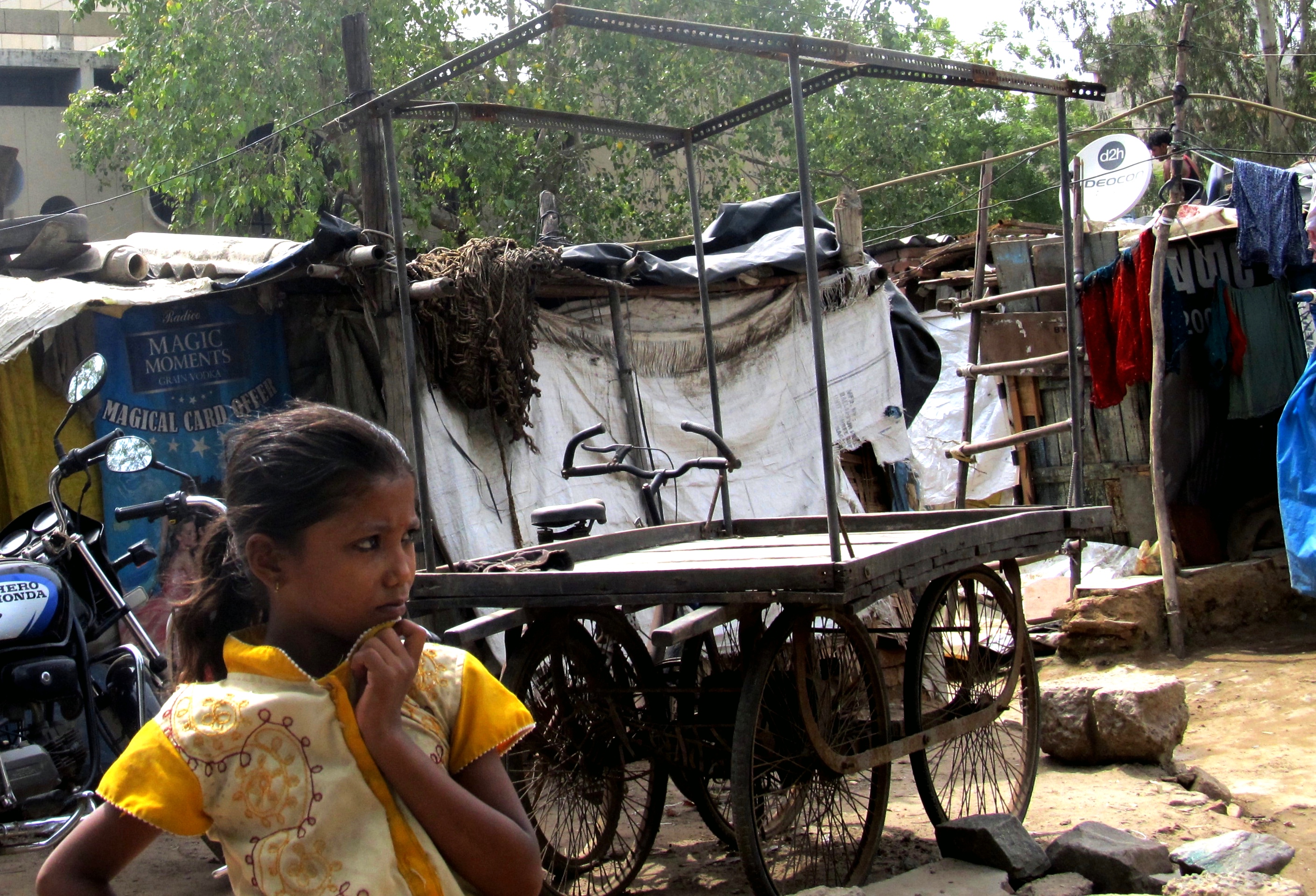
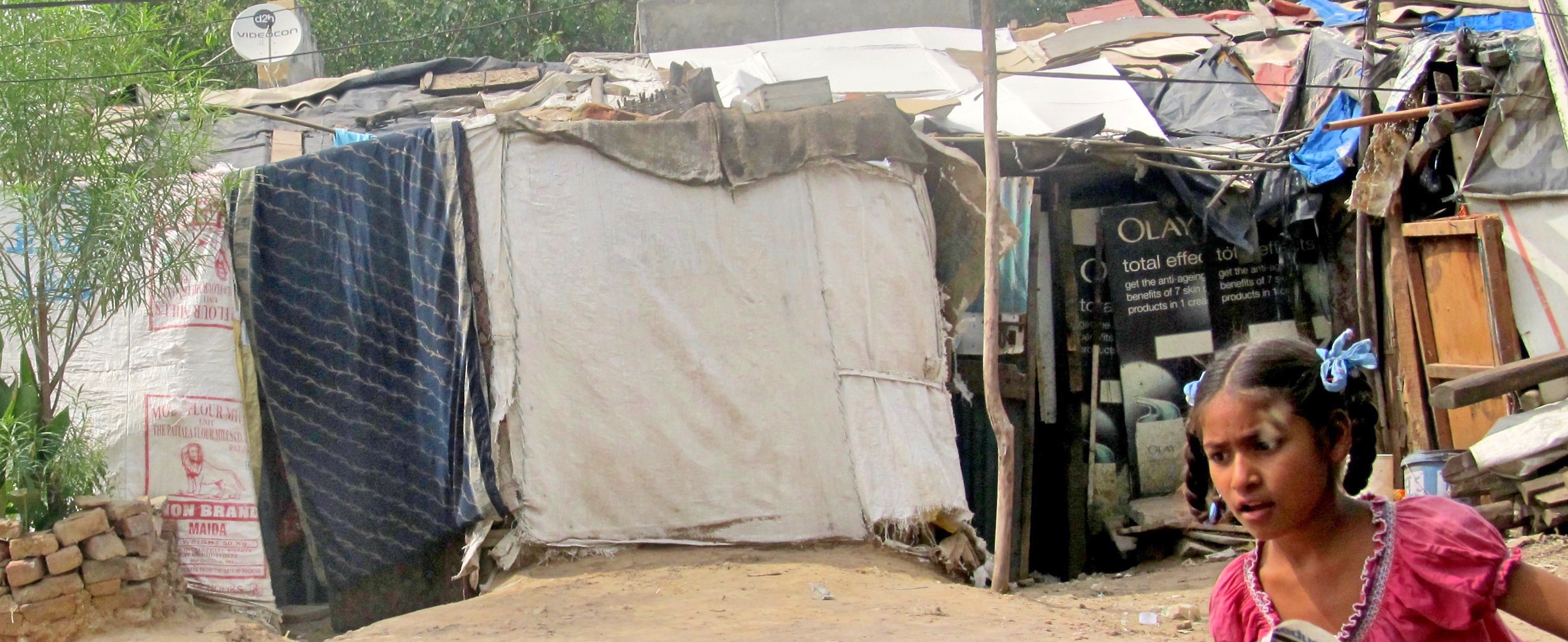
No matter how poor you are, TV is always something you will find money for. Nicholas Johnson is right in saying that all TV is educational but then what does it teach today?
In the times of 24 hours and innumerable channels there is a lot on offer. In tiny homes with a sole TV there is not much scope for parental or any kind of control. The preferred programmes are undoubtedly the plethora of soap operas that seem to have taken the place of the weekly movie outing that was once affordable. Today the big cinema halls with different ticket rates have been replaced by multiplexes where you pay the same for front or back row.
In yore years the back row was for the dating couples and the front row for what was know as the whistling viewers. Post movie day there was a week of processing what you had seen. And in yore years again Bollywood movies did have a social message. Gone are the days of tear jerkers!
Soap operas are family dramas that are a far cry from the reality of those who view them in slums. Nothing resembles the harsh reality of survival. They do provide a much needed escape but where escape is good once in a while, it can be nefarious when resorted to constantly.
Then there are cartoons that are often seen by children after much negotiation and even violent arguments. Some are innocuous but others can be violent.
There are movie channels, reality shows, music channels and even educational channels. Common to each is the clever interspersion of ads. No wonder that you find the most upmarket products in the poorest of homes as these are available in affordable pouches.
Many young slum kids learn their dancing and dress sense from the box. Not a bad thing some would say.
But too much of anything can be dangerous and when there is no control of any kind danger lurks in every image.
At Project Why we try and put things in perspective. The only means to do so is to give every child that comes to us the freedom to share her/his thoughts and desires with us allowing us to help her process it rationally. It is all about open communication.
TV or for that matter any information source is educational provided it is backed by processing and understanding.
Requiem for an invisible child #GivingTuesday#India
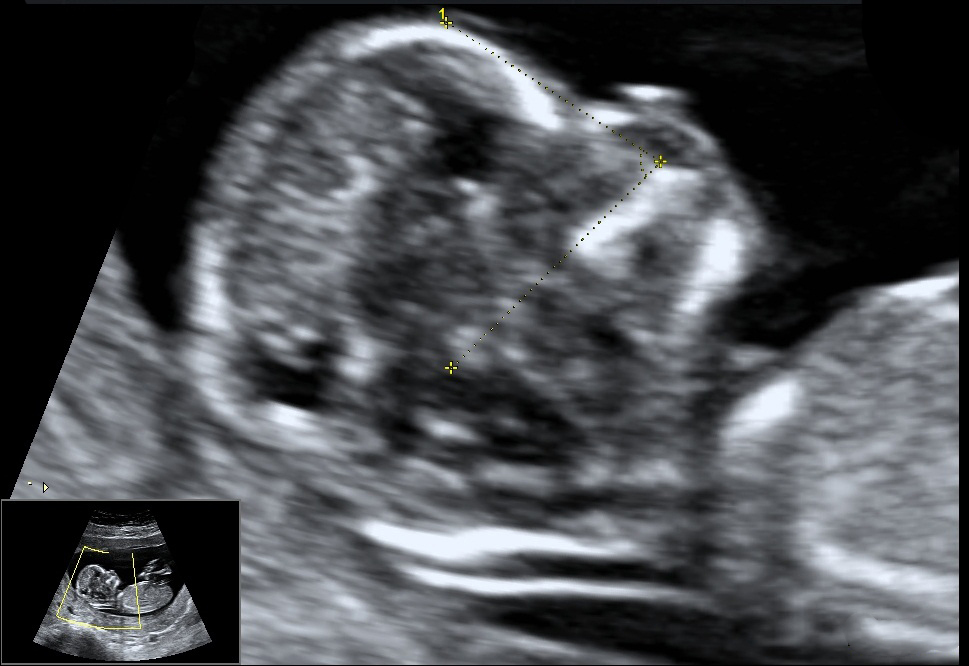
You may be wondering why the illustration for this post is an ultrasound plate. The reason is that there exists no picture of the child whose story we tell.
Little Sonny was born a month or so ago to a beggar woman of the Kalka Temple. This was the mother’s 4th child, the eldest way in her late teens. Two of her children are special needs children and the husband passed away before Sonny was born. When the baby arrived and it was a boy, the mother was elated.
However one look at the child was enough to realise that the baby was born with Down Syndrome. No one had the heart to tell the mother. Would she have believed this? Perhaps not as Sonny was the ray of sunshine she held on to.
A few weeks later Sonny passed away. The reason given was an insect bite at night. He had gone to sleep alive and woke up dead. Maybe it was all for the best as a child like him had a very bleak future.
Had he been from a well-to-do family that a scan like the one above may have resulted in his being aborted.
He could also have been born in a caring family that would have done everything possible to make his life the best or to a family where he would have been shunned. But that was not the case.
Sonny is one of children born in India but never claimed by the land. They remain wandering souls that have fallen off the net and when they pass they often fade from the memories of those who gave them life as they are too busy in simply surviving.
Children cannot wait
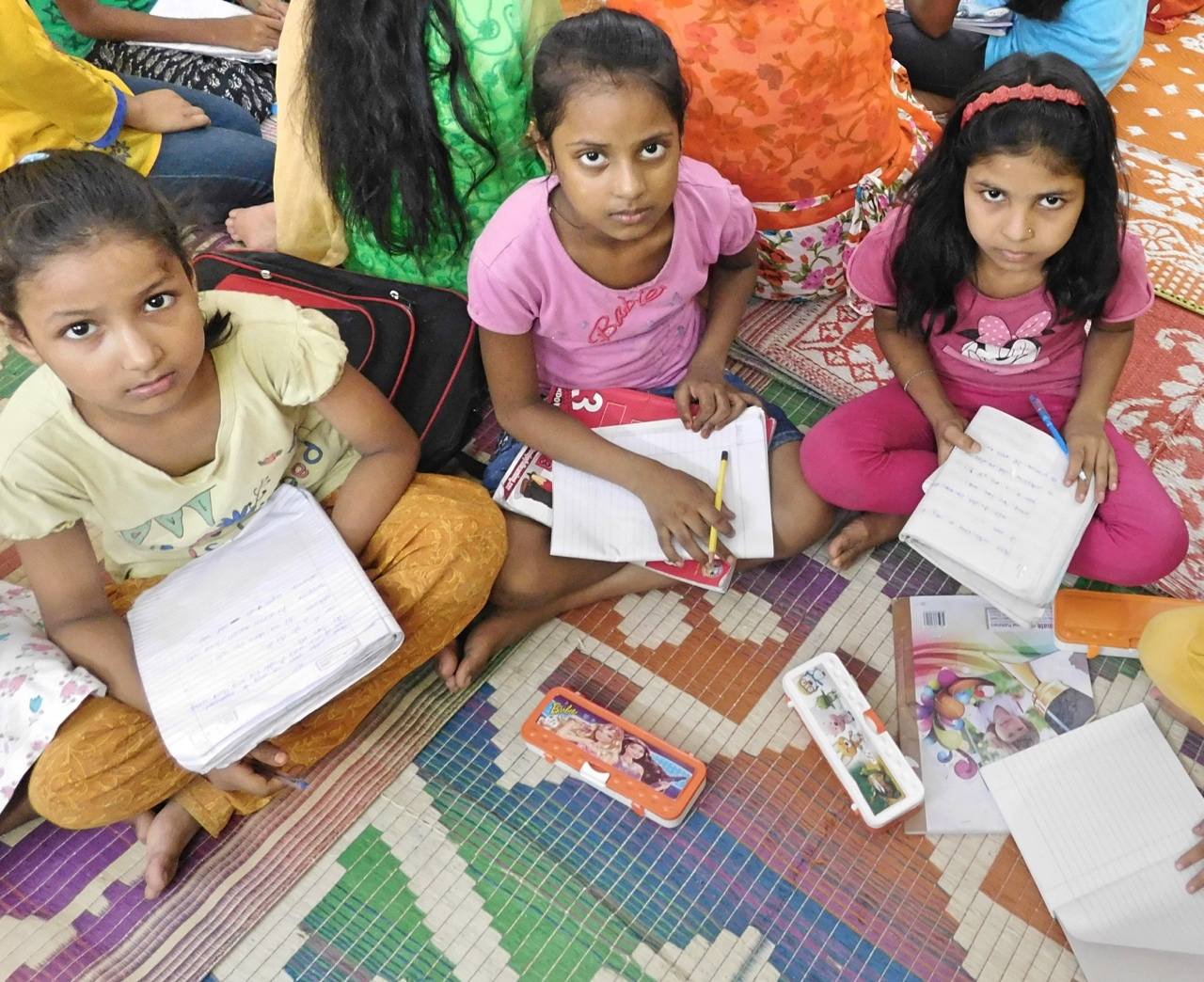
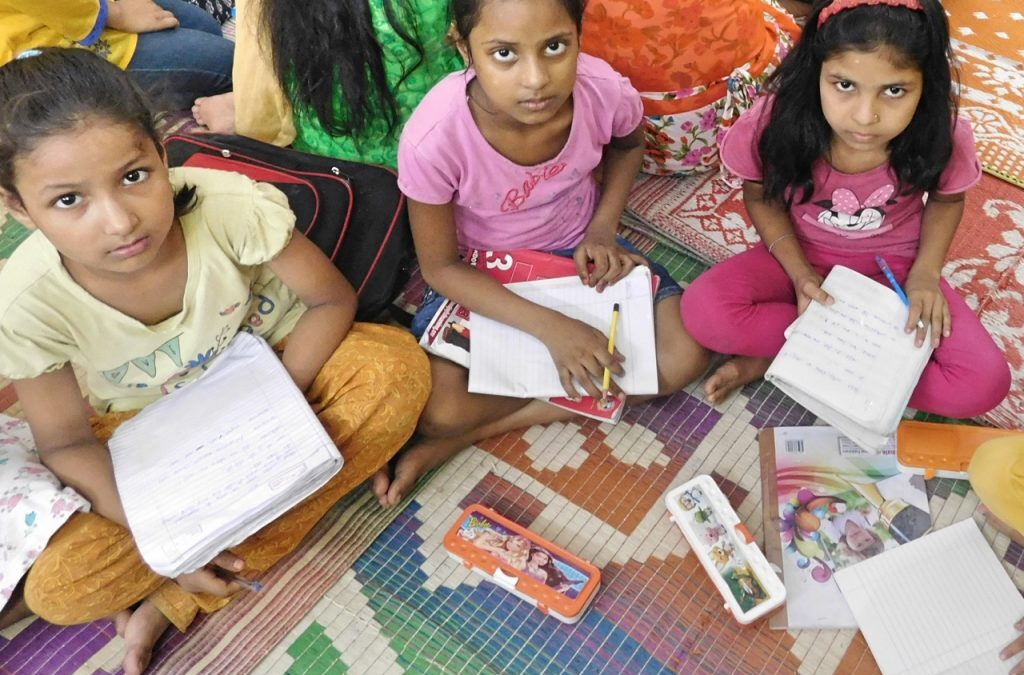
A child has only one chance to be six, ten or fourteen years old. Childhood cannot be postponed. Yet according to a UNESCO report, India could be fifty years late in meeting its education commitments. Policies can wait, reports can be rewritten and targets can be revised. Children cannot.
A recent UNESCO report states that India could be late by half a century in achieving its global education commitments. It would need to make fundamental changes in the education policy if it were to meet the 2030 goals. At present India is expected to achieve universal primary education in 2050, universal lower secondary education in 2060 and universal upper secondary education in 2085.
That education is the one and only road to transformation is indubitable. Education helps break the poverty cycle and hence should be given centre stage. But that is not the case; hence the delays un meeting the millennium goals.
If we are to go with the stated report then it will take another 34 years for ALL children in India to acceded to primary education.
Let us leave statistics alone and look at the human factor. What this means is that for many millions of children today primary education remains a dream. The reasons are many. From poorly run schools, to lack of teachers, to lack of motivation, to gender bias, to access to schools, to inclusiveness, to poverty etc. Each of this is redressable.
But time is a crucial factor and time is something that children do not have. They grow every minute and before even planning can be done, they have missed the train.
It is imperative that immediate solutions are found and implemented.
One such solution is Project Why.
Education does not simply mean enrolment in a school. Only if the education is of quality will it help transform a life. In todays education scenario going to school alone does not suffice. What has come to be know as ‘shadow education’ – after school tuition, coaching, extra classes – is a essential to success. This comes at a price the poor cannot pay. This is further compounded by the fact that poor children often have illiterate parents who cannot provide any support.
Every year, children arrive at Project Why after spending three, four or even five years in school without learning to read or write. They have attended classes but have been left behind. Most are already on the road to dropping out—not because they lack ability, but because no one has been able to give them the support they need.
It is over 1000 children that Project Why helps at no cost for the past 16 years. The fact that the problem is not only real but calamitous is amply demonstrated by the large number of children who have come to Project Why after 3, 4, 5 and even more years of sitting on a school bench and who could barely read or write. Such children drop out often by the end of primary school or when they face their first real exam.
The flip side is that the same child who would have dropped out and been considered a failure needs only a little help to make up for lost years and reach the top of her class. We have many such children. That is what makes the situation so tragic.
Project Why is a minuscule effort but one that bears fruits. At least for these 1000 children education is a reality.
Dirty water stunts million of children #GivingTuesday
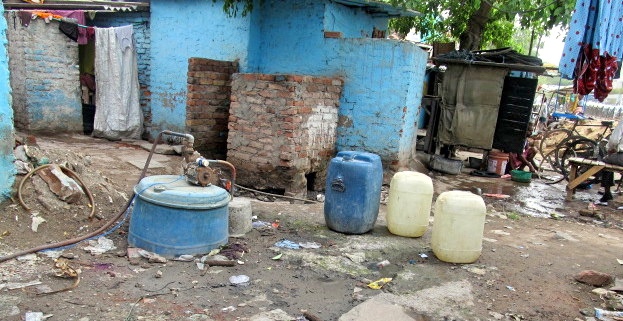
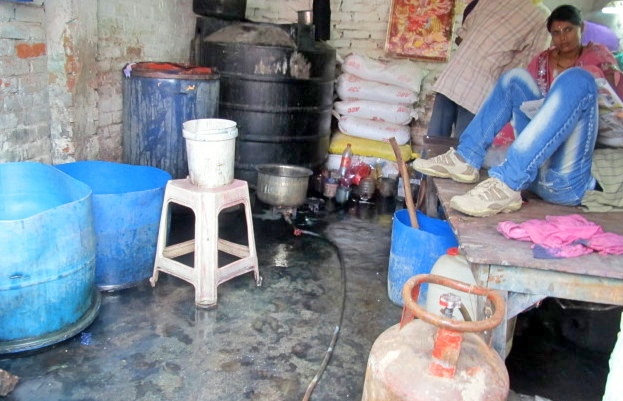
India has the largest number of stunted children in the world reveals a recent study. For Project Why that is one too many! The main reasons are: lack of toilets, dirty water and poor hygiene. In urban slums and even lower middle class colonies that is a reality. Narrow lanes, unchecked construction and overcrowding spell disaster. Even in the area where Project Why’s main office is located and where property is in 7 or even 8 figures, clean and drain water pipes get mixed and a foul smelling grey water runs in your taps. The reason being unchecked construction where pipes are dug ad infinitum by unskilled workers.
In slums where piped water does not exist, drinking water is collected in recipients of all kind from taps or water trucks. Then it is stored often in unhygienic condition and used for the next 24 hours.
Toilets are scarce. Those that exist are filthy. A brave Project Why teacher undertook the survey of local public toilets and was sick for two days. They were beyond filthy. The problem often was lack of water and budgets for cleaning.
It all comes down to planning.
What no one realised is that the dirty water is drunk by children below 2 who get stunted for life. The damage is irreversible. These children grow to be physically and intellectually weaker than their peers. Some do not make it to age 2 as they succumb to one of the many waterborne diseases. Death is rarer in cities where medical facilities are available but a stunted child is marked forever. Children cannot wait for long term solutions.
The way out is to educate people about the importance of water, about storing it in hygienic conditions, about washing hands before diving in the drinking water pot and about not wasting a drop.
At Project Why we do that relentlessly. Saturday is hand washing day. Regular competitions on water related themes help the children com up with solutions. Project Why even held a photo workshop where the theme was respect and one of the sub topics was RESPECT WATER. Here are some of the pictures taken by the children.

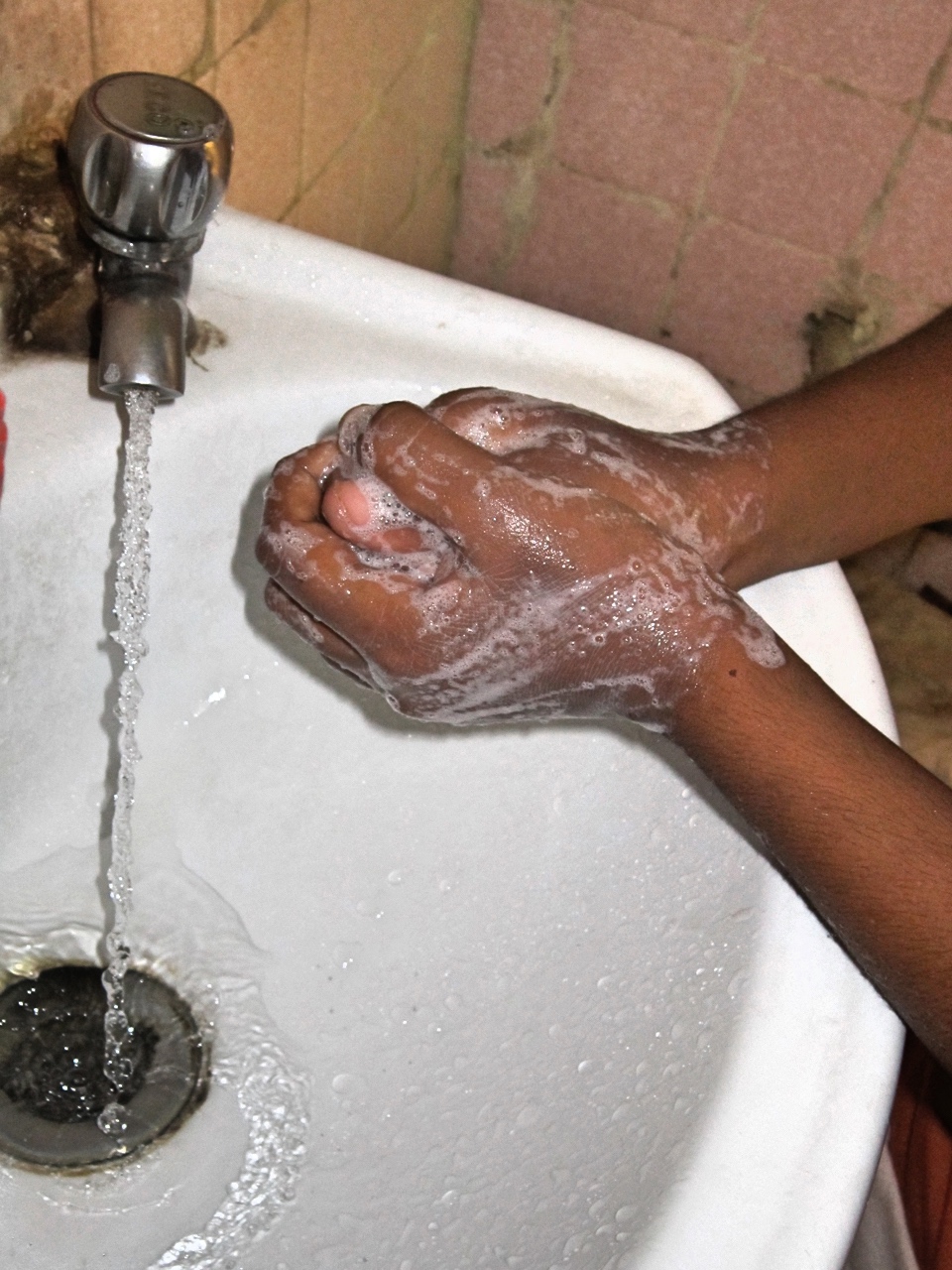
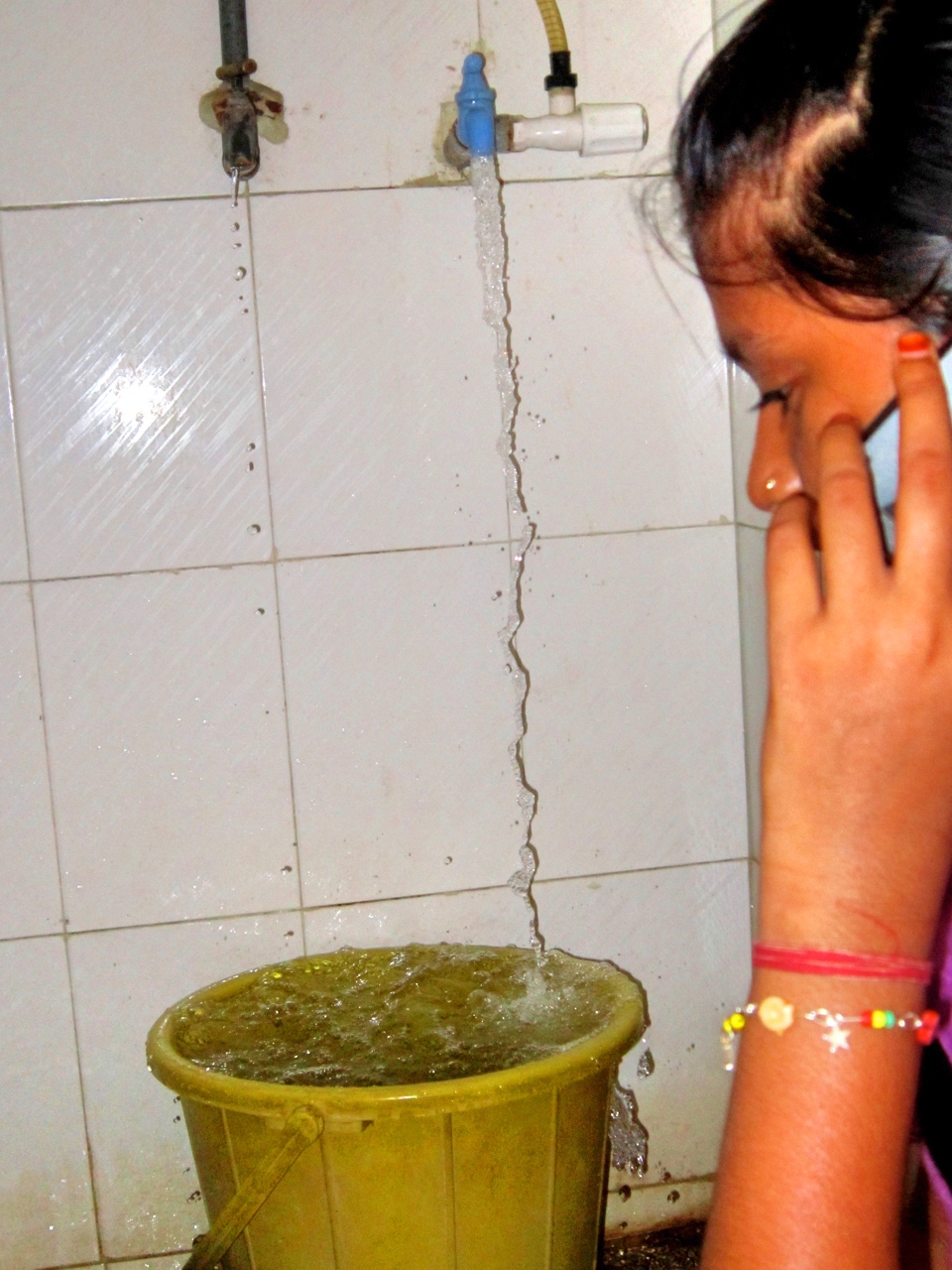
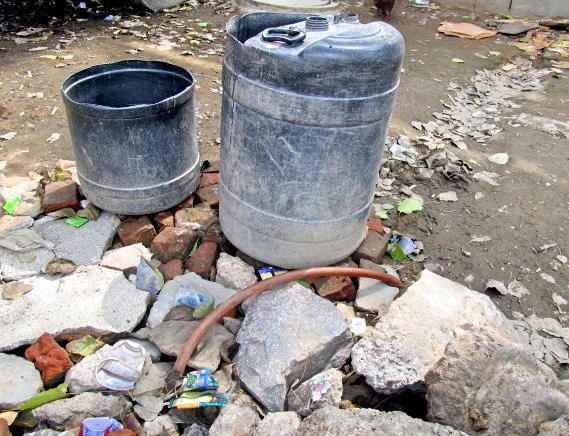
Gayatri
The workshop helped children experience reality and we hope they will carry the message forward.
It happens only at Project Why #GivingTuesday#India

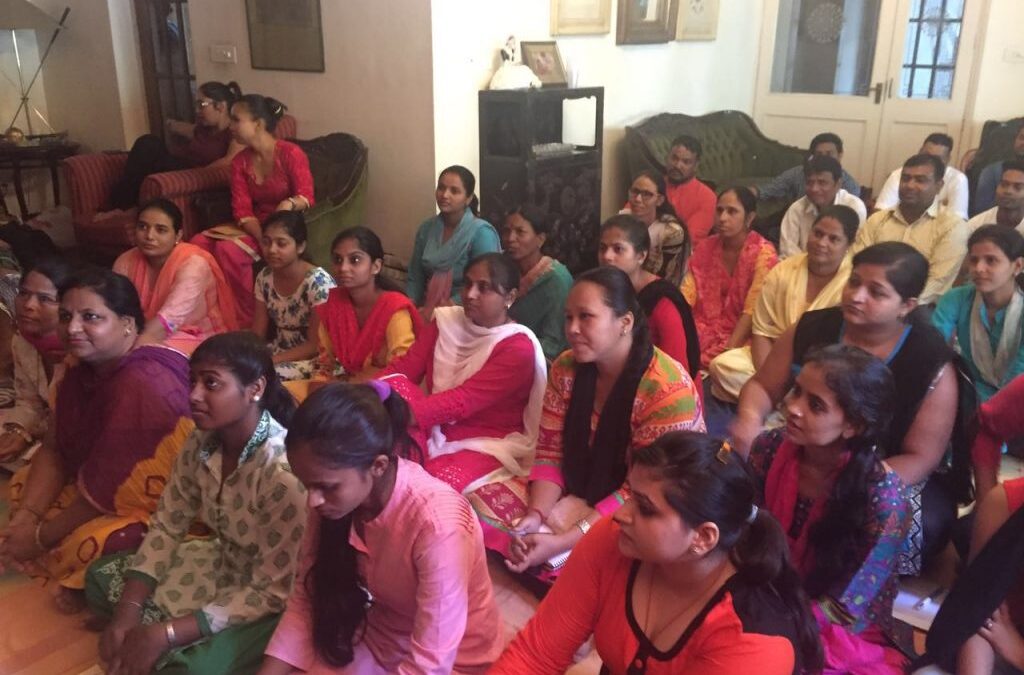
When a friend offered to run a healing workshop for Project Why staff so that they in turn could share it with the children we were a little hesitant. The reason being the multitude of faiths and beliefs followed by them. However we had faith in the sixteen years of sharing our views and beliefs and decided to go for it with the caveat of allowing individuals to opt out if they so wished.
Needless to say NO ONE opted out!
This experience, a first for Project Why, was most rewarding and made us wonder why we had not thought of it before. It was deeply empowering and helped everyone address situations and problems that were upsetting them. It also brought a feeling of peace, oneness and above all confidence. The staff enjoyed the experience and has promised to share it with their students.
It is a proud moment for Project Why and a validation of its efforts to bring people together and celebrate difference.
Hit and Run #GivingTuesday#India
A young girl was victim of the ubiquitous hit and run syndrome that is a familiar occurrence in cities. Most get reported. Some make front page if a ‘celebrity’ or ‘privileged’ is driving a ‘swanky’ car!
There are some hit and run cases that never make any page. Most often only those close to the victim are the sole witnesses of the ghastly act. Last week a young girl was hit by a car as she crossed the road after finishing class. She was a student of the pilot project run by Project Why for the children of beggars at the Kalkaji Temple. Little S was in many ways the one who by her sheer tenacity compelled us to begin classes. She is alive but her leg has been crushed badly. She is in hospital and has been operated upon.
Her mother A delivered a child just six days before the accident happened yet she was the one who had to ferry the child in an auto to the trauma centre. The only ‘proof’ of the accident is the car number hurriedly copied by a kind stall owner. A is also the one who has been banging on the doors of justice but has not been heard. The police are not interested in a young beggar child and her beggar family. The father remains at the little girl’s side keeping silent vigil. The mother looks after the newborn and the other children and before any brow lifts in despair, A had her tubes tied at a camp. The baby came after the surgery.
At present A lives in the women shelter where she delivered the baby. Habitually the family lives on the ‘street’. Most beggars sleep where they beg.
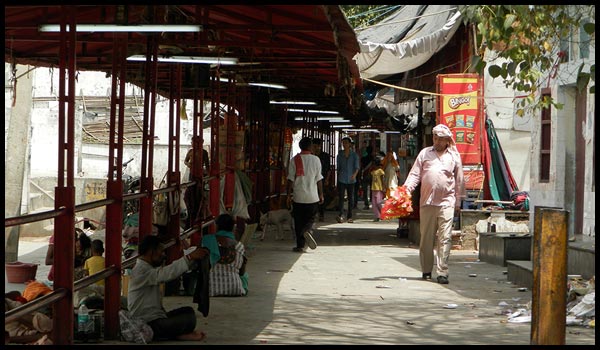
If you look at the picture above carefully you will see bags and bundles. These are the packed up homes of the very beggars you see. After working hours, they set up house. If you were to pass by early morning you would see them brushing their teeth and sending kids off to school.
This is A and S’s home. This is where S would come back to recover from surgery. Most probably she will be taken to the women’s night shelter but then kept away from her father, the one who sat with her throughout the hospital ordeal. When will she be able to return to school is a question we all ask. We will fight day and night to ensure she returns to school as early as possible.
Come to think of it, in the given circumstances, a maimed child is likely to earn more ‘begging’. And is it not the ‘family’ business; so all within the new child labour laws.
S is just one of umpteen children who beg. In some cases like Arati’s or many of the women in the night shelter, they did not chose to beg but were driven to it by a series of unfortunate circumstances. In some cases they lost their homes as metro stations or malls needed space. Not having all the documents required they were not ‘eligible’ for any alternative scheme so found whatever alternative they could and began their descent to hell. Begging was the last resort. In some cases women are abandoned by husbands and left to seek shelter and beg for survival. That was the story of many of the women in the shelter some having just had babies. They eat at the numerous religious feedings. On days when there is no free food, they beg just enough to buy a meal. Their future seems hopeless.
And yet amidst all this squalor you meet R. R is an imposing and confident woman who is ‘in charge’ of the women’s shelter. She is literate and runs a small tea stall just outside the shelter. She recounts how she too was a beggar many years ago and would have remained one had she not been helped by an organisation that sent her to a residential school where she got educated. She came back and married another vendor and has one son she is determined to educate. She has never looked back.
Listening to her story gives hope, hope for these children who study for a few hours with us. Maybe some of them will follow R’s steps.
We at Project Why will walk the extra mile to ensure that.
S was the victim of a hit and run. We do hope to trace the driver and ensure that the family is helped.
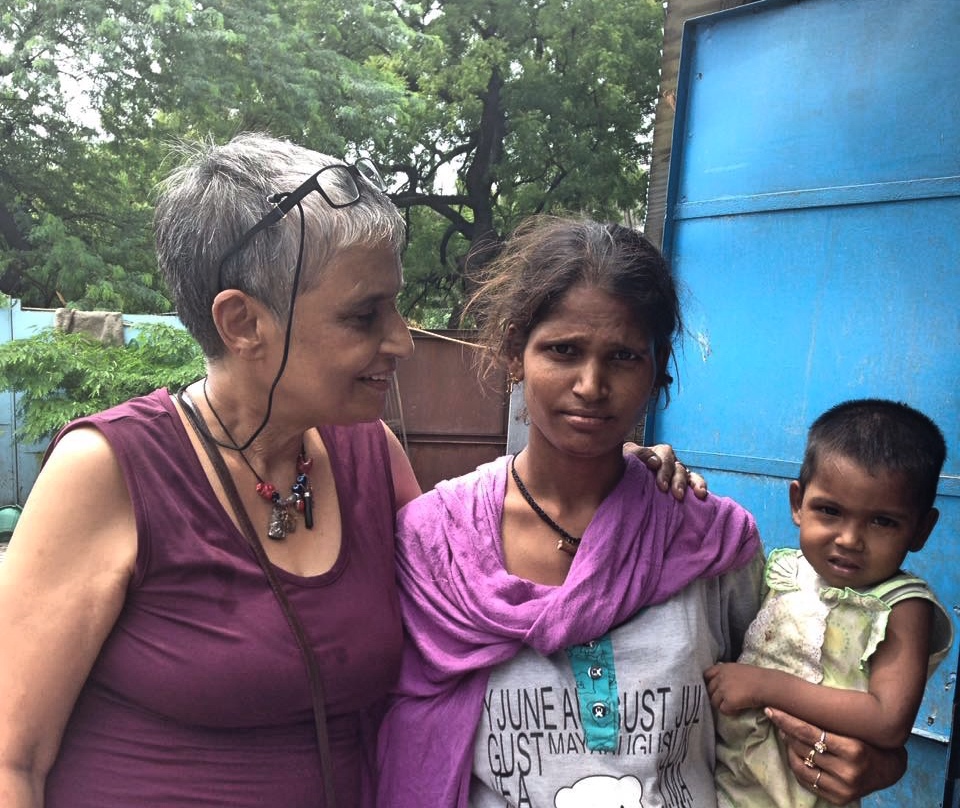
This is Arati with one of her kids!
Why not for education… #GivingTuesday#India
Government to enlist gurus for organ donation campaign is a recent headline. The article goes on to say: “The health ministry plans to rope in spiritual gurus to help dispel myths about organ donation“.
This is undoubtedly a good move. Organ donation is a noble cause but so are education, child marriage, gender equality, child abuse and far too many more.
One often wonders why spiritual leaders of all faiths do not raise social issues as theirs is a voice that is always heard. In today’s disturbed world they hold the power to change things.
This is a statement made with responsibility as it is based on experience. Over the years we at Project Why have witnessed time and again the power of religious percepts. Nothing takes precedence over the rituals and religious traditions not even the child’s medical need let alone the school fee.
The importance of religious customs is deeply embedded in the lives of slum dwellers who spend enormous amount of money on ensuring that every one is respected even if money has to be borrowed at mind boggling rates.
In villages in Bihar it is, we are told, customary to ‘feed’ the whole village for three days after the demise of a close relative. We were horrified to learn that a parent who had barely enough money to survive had put up a feeding stall in the slum cluster and was ‘feeding’ everyone. Needless to say he had taken huge loans. When asked later why did he do this, he replied that it was a matter of honour and if he did not comply he would be ostracized.
Over the years we have rarely succeeded in getting people to alter deeply rooted traditions. All logic and even threat fails. So people give huge dowries, marry their girls early and so on. However if a religious leader said the same, things might be different.
At Project Why we hope that the support of such spiritual leaders will be sought for the social change that is paramount to a better world.
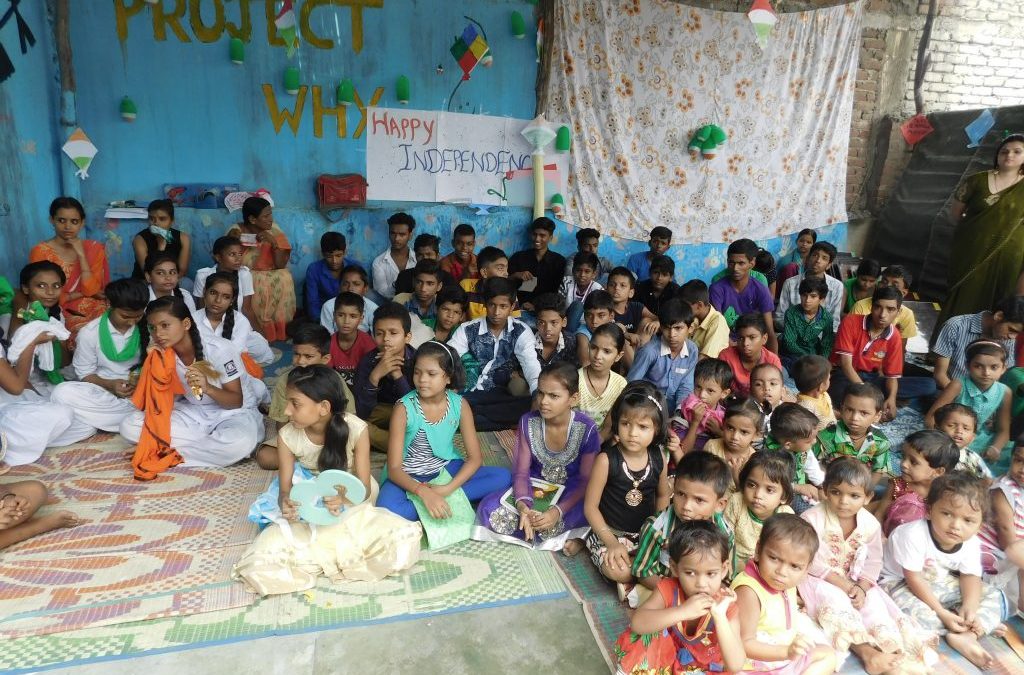
Celebrating Independence Day #GivingTuesday #India
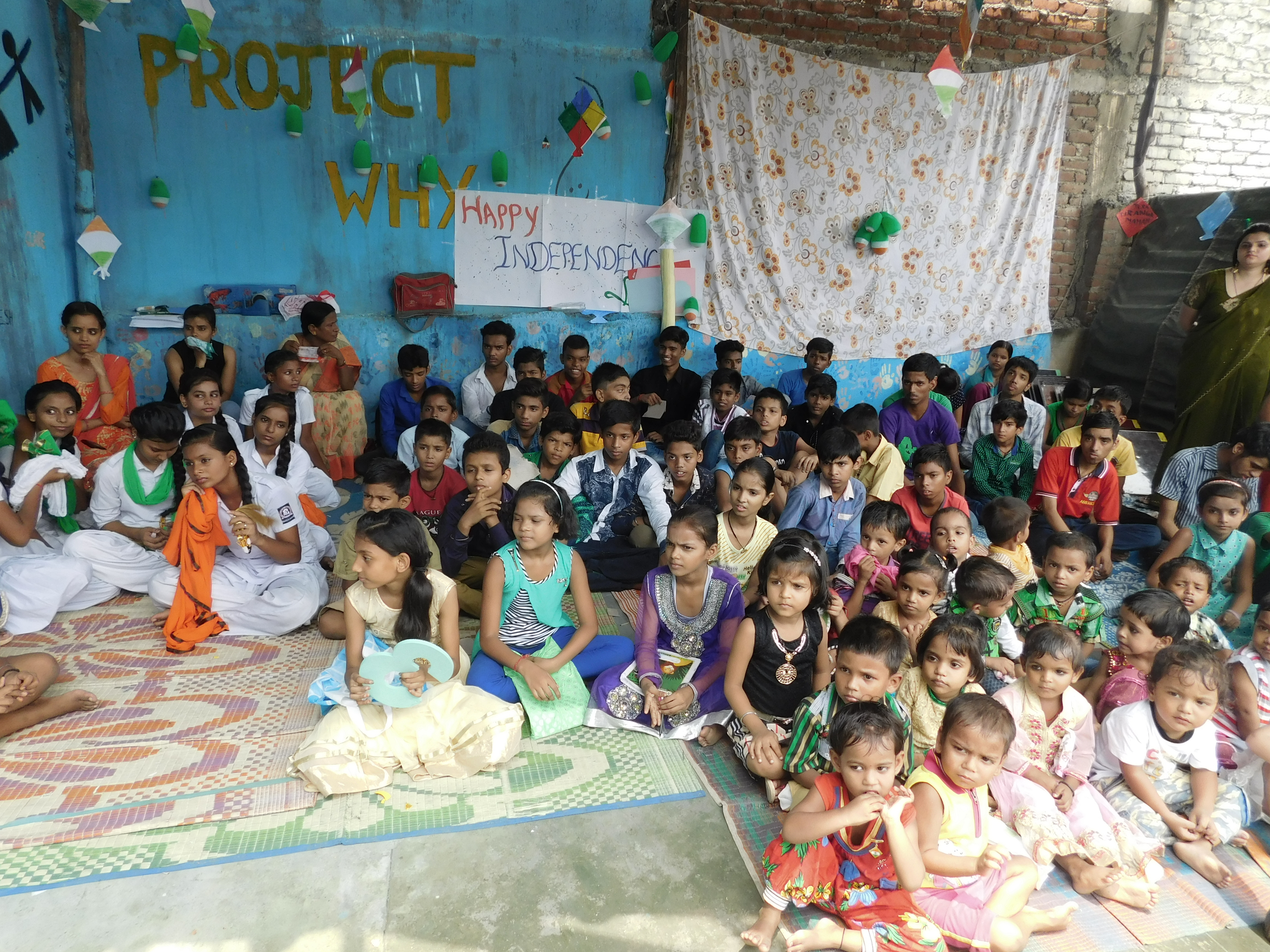
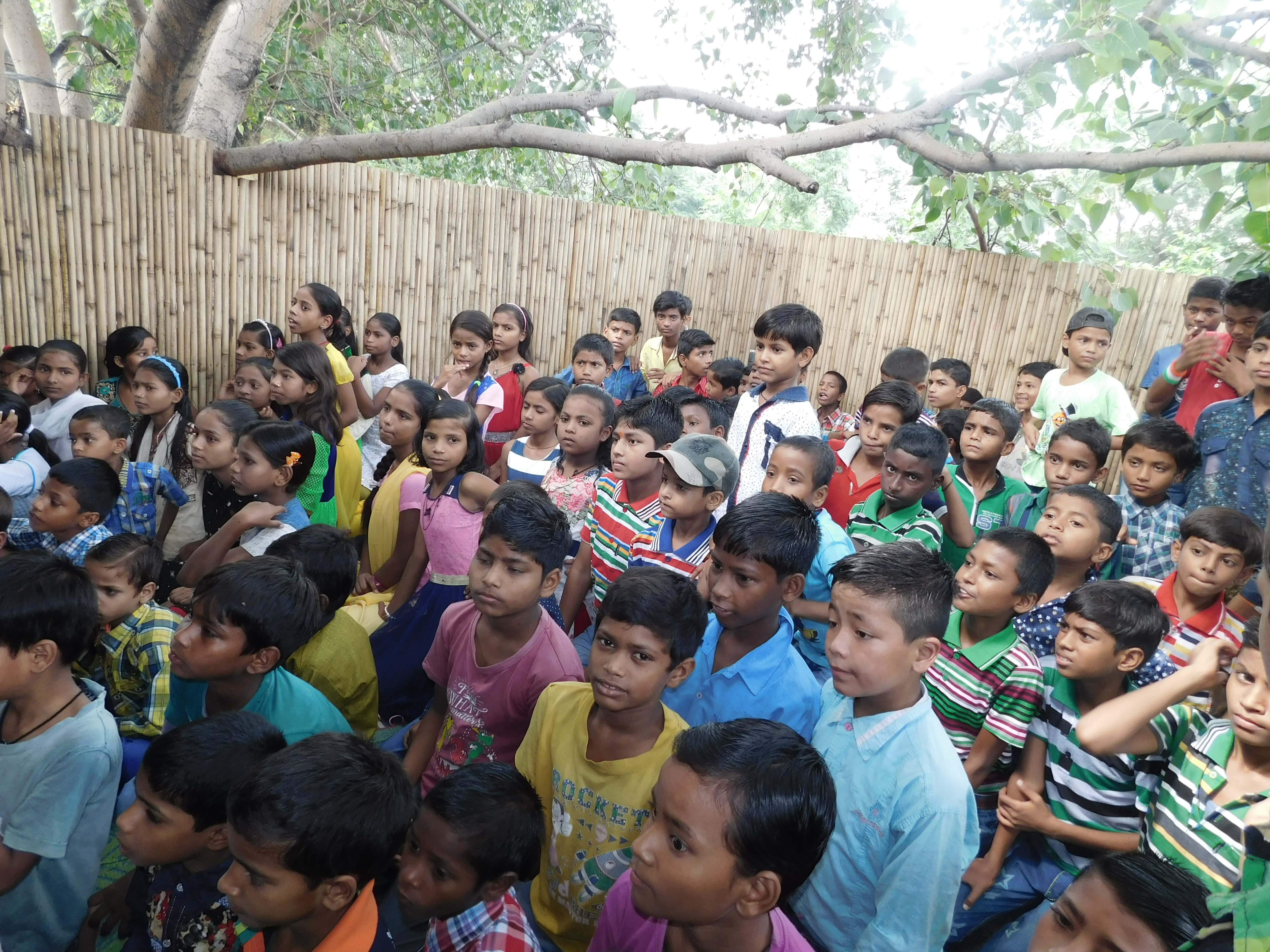
Project Why children celebrated Independence Day! There was the flag hoisting in all centres, the regulatory speeches, the patriotic songs and of course a lot of Bollywood dancing. The children enjoyed themselves and the celebrations ended with the ubiquitous all time favourite: the samosa!
Watching the children with their innocent faces and trusting eyes was moving and bittersweet; even if one spoke of education and its importance in accessing a better future one could not help noticing the stark difference between these children and their more privileged peers. But that morning, be it on the roof of a temporary structure erected on a garbage dump amidst factories spewing toxic smokes, or on yet another roof in a crowded slum or on the banks of the Yamuna surrounded by vegetables fields, for those magic moments every dream was possible.
It was later, after the children had gone back home with memories to share and the adults had returned to their everyday life, that reality struck.
Project Why has been committed from its very inception to doing every thing in its power and more to help these children break all glass ceilings, but it would be naive to think that this will be possible for all as there are too many obstacles in this race. And yet to reassure us and make sure we carry on, miracles happen when one child breaks out of the cycle of poverty in which s/he was born and succeeds.
We remain aware that Project Why is a drop in the ocean and that there are too many children that may just drown.
And this is a reality we must accept in the land we live in. Over 1 lakh schools in India have just 1 teacher was a recent headline that made one shudder. It means that 100000 schools function with just one person who, as the article said, doubles up as administrator, clerk, caretaker, midday meal servers, nurse and sundry crisis manager. Such souls need to be saluted as they are wonder persons!
It simply does not know how to fall upwards #Giving Tuesday
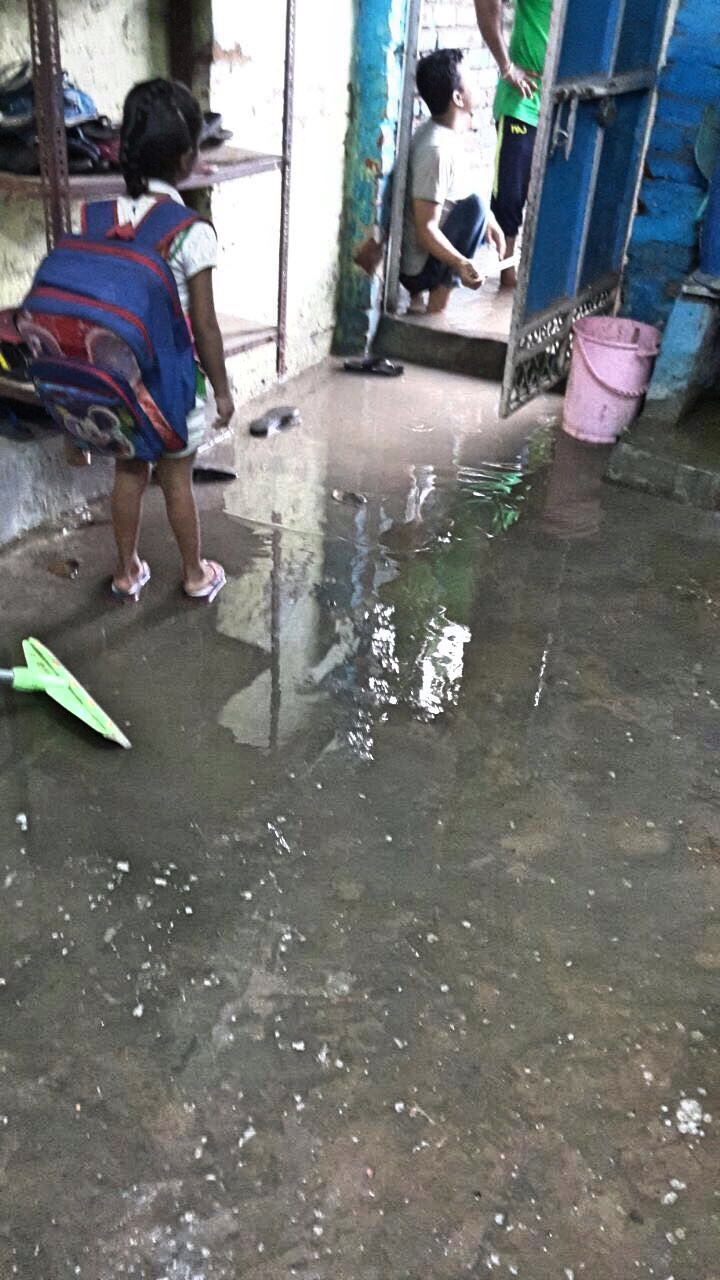
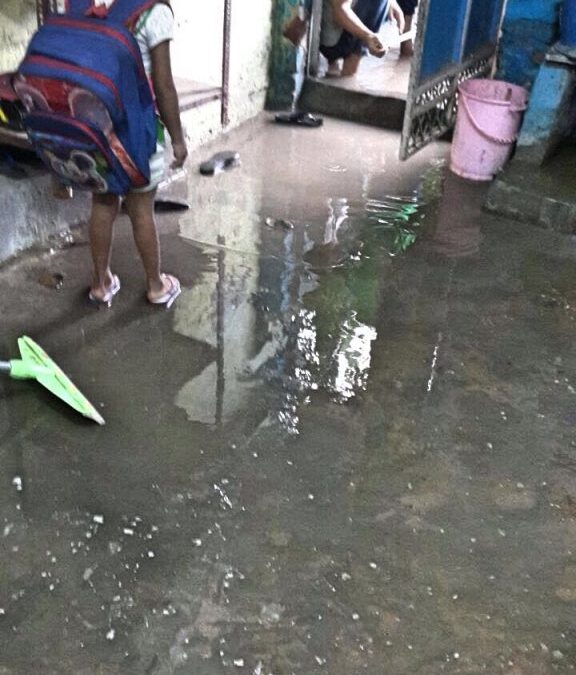
The rains have created havoc in the city for the past days and yet nothing unpredictable as it is monsoon time and a good monsoon is what everyone hopes for. Vladimir Nabokov said: “Do not be angry with the rain; it simply does not know how to fall upwards.” And fall it does, transforming the world as we know it in a jiffy.
The picture above is our Okhla classroom. Sure the roof was temporarily patched and is holding, but water is seeping through the cracks in the wall and even from outside as here too the word ‘drainage’ is not part of any lexicon.
On rainy days children and staff spend most of the time clearing the water away as best they can. No one asks for a day off. What is needed is a a dry spot to lay out the mats and begin class.
This is but a tiny example of how just one heavy spell of rain can alter one’s day.
The reason is poor construction and absence of planning. Even the best of us forget to plan for the proverbial ‘rainy day’.
Last week’s rain saw the city come to a halt as roads got inundated and one could only wait for the water to recede.
But life goes on and people brave all odds to ensure that it does. Our kids live in homes that bear the brunt of the rain’s fury. Their homes being low lying means they get flooded. School uniforms do not dry and thus they miss school, not to speak of the soaked bedding that means sleeping on the hard floor. But it is all part of the game of life.
Do we ever give a thought of how many challenges are met by those we often take for granted to ensure that our lives do not get affected by the rains?
Do give a thought to those who make our life better, whether the lady who comes to help in our homes or the man who cleans our clogged drain or even the electrician who repairs the lights blown because of the rains.
As for Project Why teachers, they too brave all odds to come and teach the children.
The caveat that defeats the purpose #GivingTuesday #India
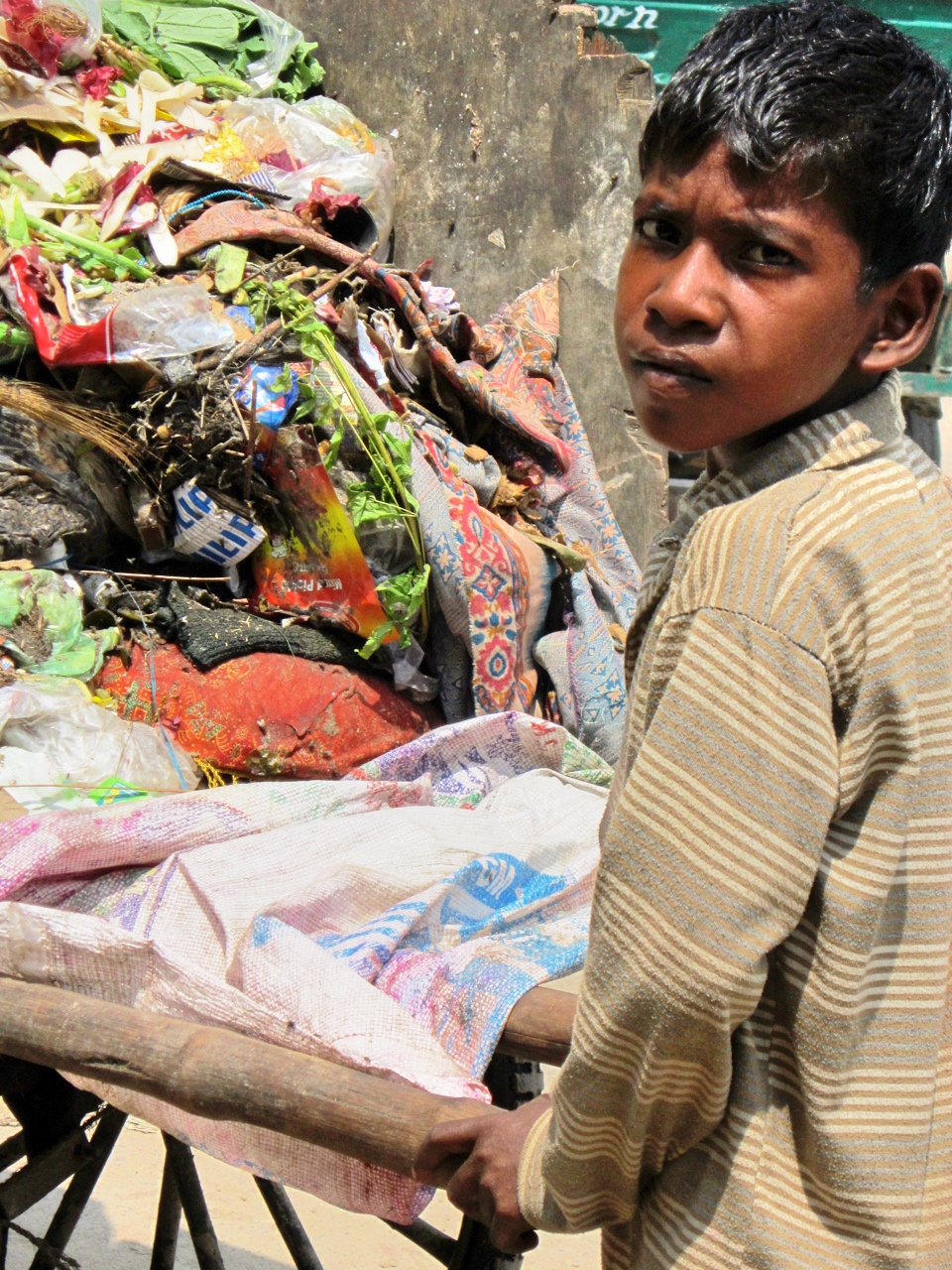
The Upper House of the India Parliament passed a Bill to Amend the Child Labour Act 1986. The amendment prohibits the engagement of children below the age of 14 in all occupations and processes so that they are able to enjoy their fundamental right to education. It should be a cause of celebration for the likes of us at Project Why. Child labour in any form is abhorrent and reprehensible.
The celebration is short lived when one sees the caveat that defeats the intent. Although it abolishes child labour in any form it introduces a proviso that allows children under 14 to work in family enterprises. Nothing alarming you would say keeping thinking of your own child and your family enterprise but this means that children can help families after and before school, our kids do help with home chores don’t they?
But what if your family business is rolling beedis or agarbattis, making bangles, packing and sticking labels or any of the umpteen of labour sub-contracted to families on a per piece basis. So the more you make the more you earn and hence the tiniest hands are usefully productive. Many parents of Project Why children engage in such work, the easiest to access.
Often children who ‘help’ in such work spend hours before or after school helping the families. In the early days of the Project Why’s Yamuna centre parents would happily come to class and ask for their child as (s)he was ‘needed’ to help pick vegetables. It took us some time to convince them to stop. Mercifully they have.
At that time we thought law was on our side but today it is not. True there is the before or after school but is making a child work acceptable, that is the question we must ask.
Attending school in itself is sufficient ‘work’ for any child. A child who has spent some hours rolling beedis or making bangles is already tired and will not be able to concentrate in school and hence will perform poorly. The time when (s)he drops out will not be far as the choice between work and school is a foregone decision.
This approach seems to imply that the best for a child is to carry on its family’s profession and maintain status quo.
But every child has a right to dream and dream BIG. That is what we believe at Project Why and strive to achieve.
The best example is our very own Sanjay who was born on the street to a family of gypsy ironmongers, who was a Project Why student, then teacher and then doors opened and he is now an International Ramp Model. That is because his family allowed him to get an education and work in another profession. Once the gates open, the sky is the limit so why shut the door on India’s children dreams.