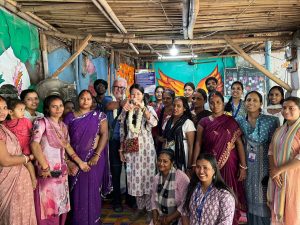
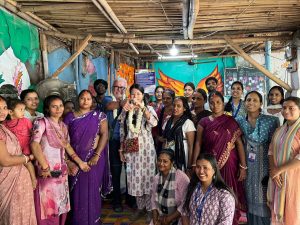
This morning I visited the Yamuna Centre. As we drove down the mud track that reaches our centre I saw the families sitting grief stricken amidst their belongings scattered shelter skelter have last week’s demolition drive. The families have put up plastic sheets on bamboo poles to protect themselves from the vagaries of the weather.
They sit desolate praying for a miracle, a miracle I know will never come. Over the years the authorities have come several times, broken all the dwellings. taken pictures to prove that they completed the task assigned to them and left. The families have rebuilt their fragile dwellings and carried on their life.
So. today they sat once again a little lost hoping that this will be just like the other times.
But we know that this time is different. Delhi’s masterplan is being reworked and the flood plains are to be transformed into parks and walking tracks. The directive has come from the Courts and there I nothing anyone can do.
For these families it is the loss of their livelihood as the fields where they use to grow vegetables will no longer be there. The areas are to be fenced The measurements have been taken. It is just a matter of time.
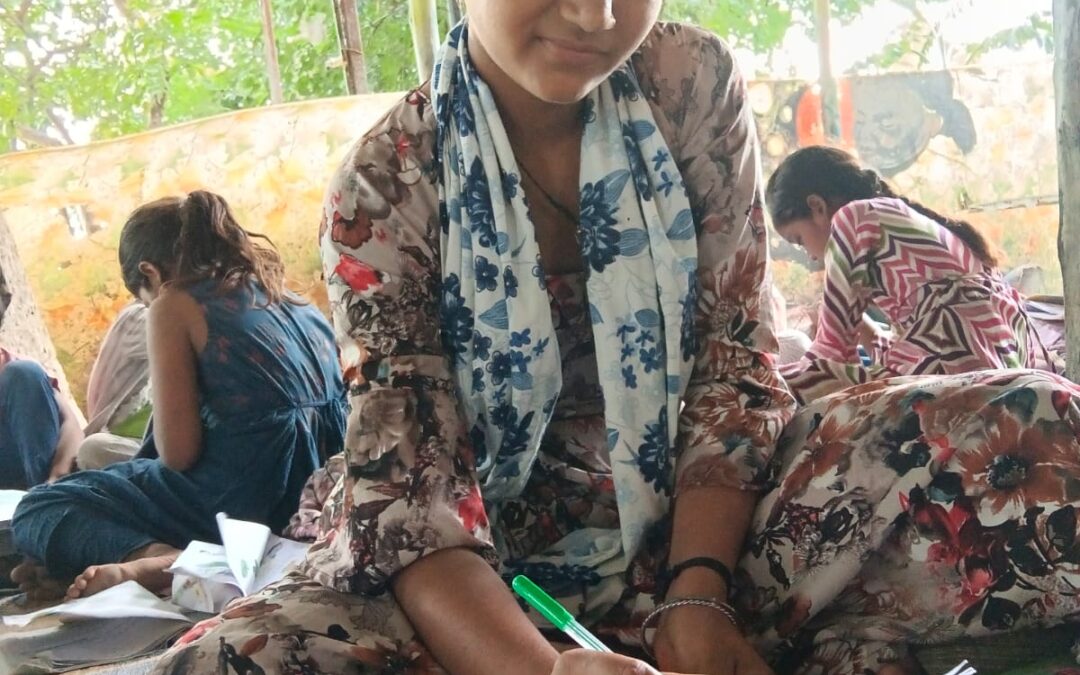
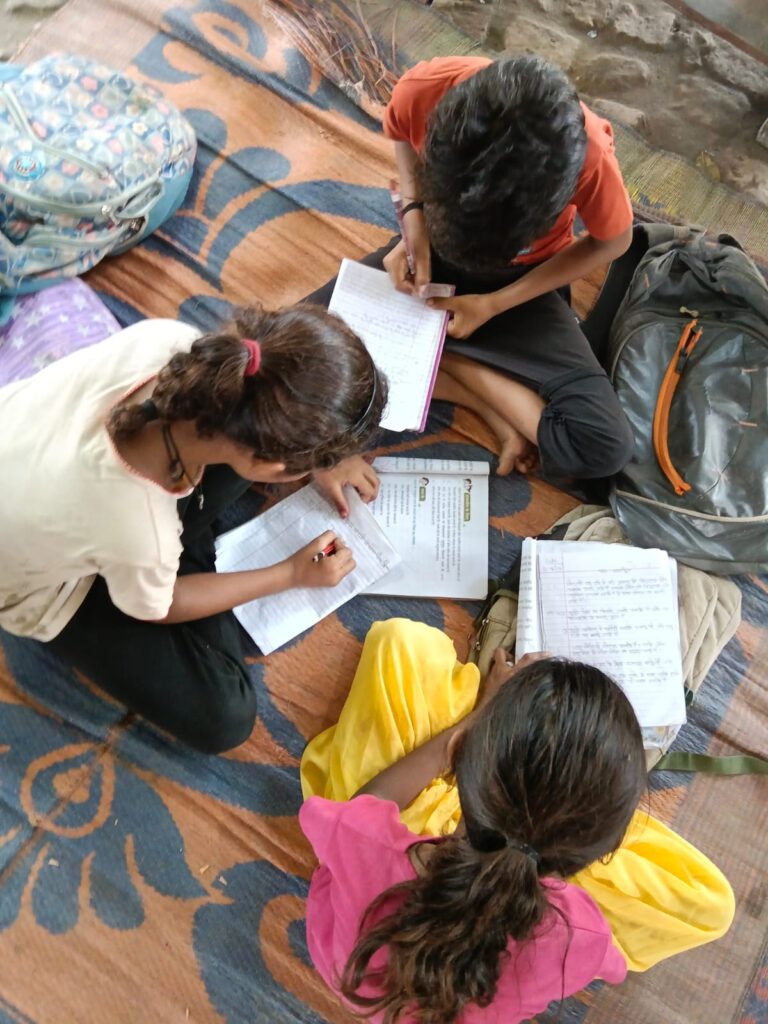
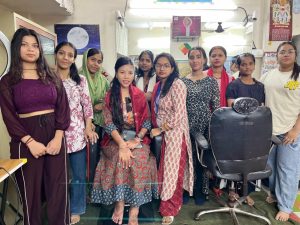
As we reached our centre that still stands the children were busy learning.
As they have been for the past 11 years!
They sat on the mats lost one their books, not thinking of what awaits them. Not knowing what lies ahead. All they know is that dreams can be fulfilled through learning. They have been their seniors who have passed out. One of them works for Project Why.
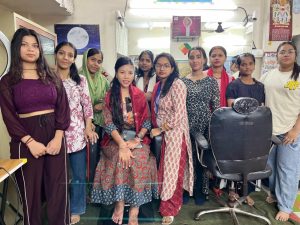
They have dreams.. They shared them with us. From fashion designer to teacher, to police officer to business owner, you name it, they dream it. But now they will move back to their villages. Most of them as staying without a livelihood is impossible. Rents are high and they need space to house all their agricultural equipment. There are not many options for them.
We will continue to teach them as long as they are there and our school is not demolished. Few say they will stay. We are waiting to see where they move to. We may open a new centre in that area. We plan to continue teaching them online is we can.
Right now everything is unclear.
My brave hearts are busy learning as much as they can.
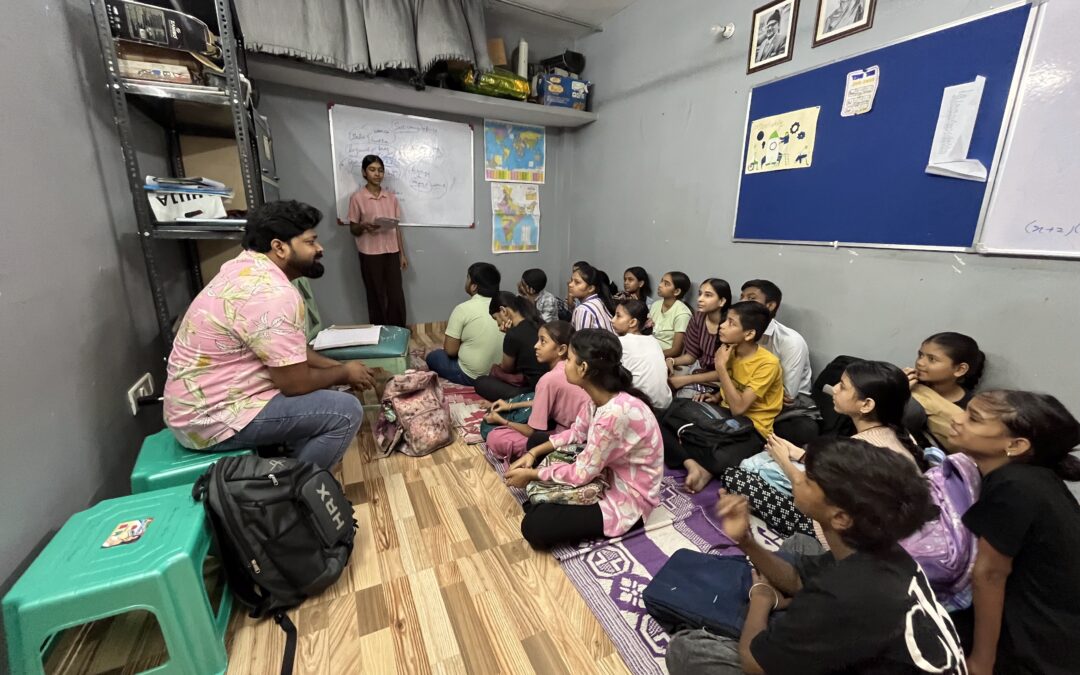
Empowering young minds with knowledge, confidence, and life skills. Through our collaboration with Modicare Foundation, children and adolescents participated in engaging sessions on life skills, good & bad touch awareness, growing up and adolescence, self-esteem building, physical & mental health, and gender equality. Together, we are creating safe spaces where young people can learn, grow, and thrive.
We are very grateful to the Modi Foundation for having conducted workshops on issues faced by children and adolescents in every centre for many years now.
The workshops are interactive, entertaining and loved by the children
For the past years summer holidays have been the bane of the Project Why teaching team. Children went to the village and came back having forgotten everything. This was happening constantly year after year.
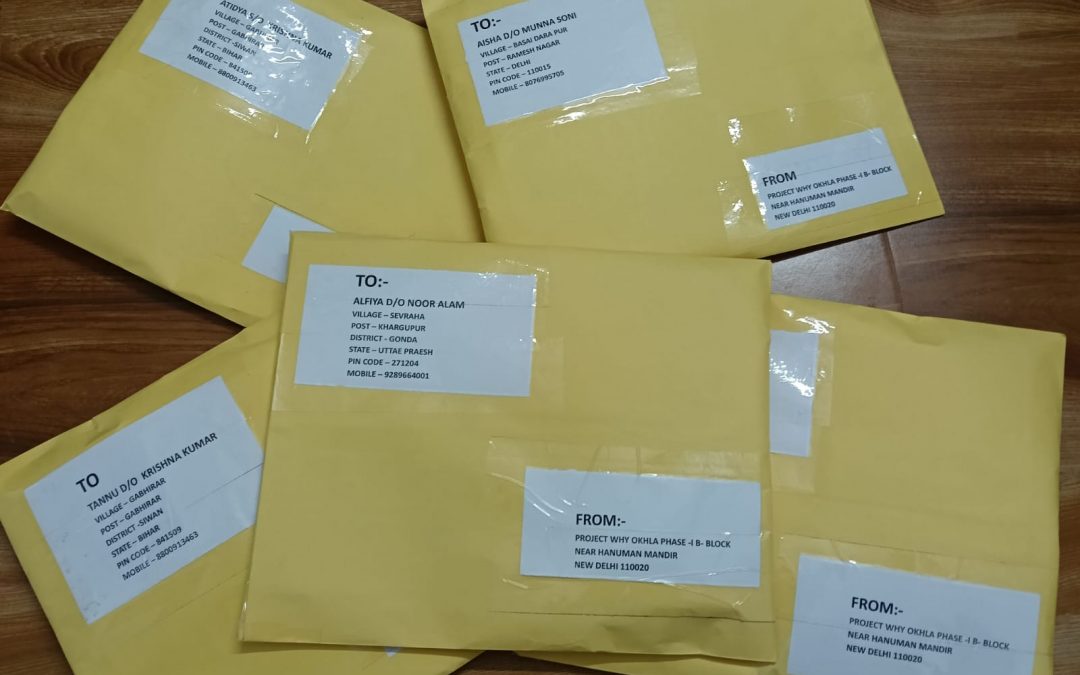
This. year the team decided to address the situation and find a solution. They would make worksheets for all subjects and give them to the children to do. Then they would connect on WhatsApp to solve issues if and when needed. So the last few weeks worksheets were being made in every centre and neatly packed for the children to carry. Parents were also apprised of the same and requested to see that their child did the sheets each day and to share their smartphone with their child so that she can connect with her teachers when needed.
This is a new experiment and we are all very excited and waiting with bated breath for the outcome!
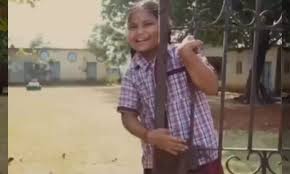
Keerthana is 9 year old. She lives in Narapanenipalle, a small village in Telangana. Once there were 70 children in this upper primary school. But slowly with time passing the rural education scene has changed as parents migrate towards urban centres or shift their children to English speaking convent schools. It is a true crisis. Today in Telengana over 2200 schools have zero or near zero enrolment. But in Narapanenipalle, the story is different. Keerthana is the only student in the whole school. Her father stood firm in his decision to keep her enrolled fearing that once a village school closes, the community loses a vital pillar that may never be restored.
This school is a beacon of light. I has kept its door open for this little class IV girl so that this girl maintains her right to education. Every morning the bells ring, and Uma her teacher comes everyday and follows the curriculum in the same was as any school would. “Every child is entitled to an education,” a district official noted, “and as long as Keerthana is enrolled, our doors remain open.”
The story of this school shows the shift in the education scene in India.Parents are now more aware and tighten their belts till it hurts to send their children to an English Medium school often a convent. It is time our law makers look at education in a proper manner keeping in mind the rapidly changing scenarios of employment opportunities. It reinforces the idea that education is not a commodity to be discarded when the numbers don’t add up, but a fundamental right that must be protected at all costs and necessary changes need to be made in the state run schools to lure back parents.
But kudos to this little school who gives true meaning to the words: no child should be left behind.
I had decided to celebrate my 74th quietly, without much ado but that was not to be.With the very eclectic social circle I have, it is quasi impossible for me to have one big bash, not that I like those. But everyone needed to be satisfied. So planned a small lunch with two of my favourite people on the eve and planned a lunch with my granddaughter at the mall food court.
In the morning Shamika kept insisting I accompany her to the Govindpuri Centre.The Okhla and Govindpuri staff were there with a big cake and hot samosas. Still par to the course.
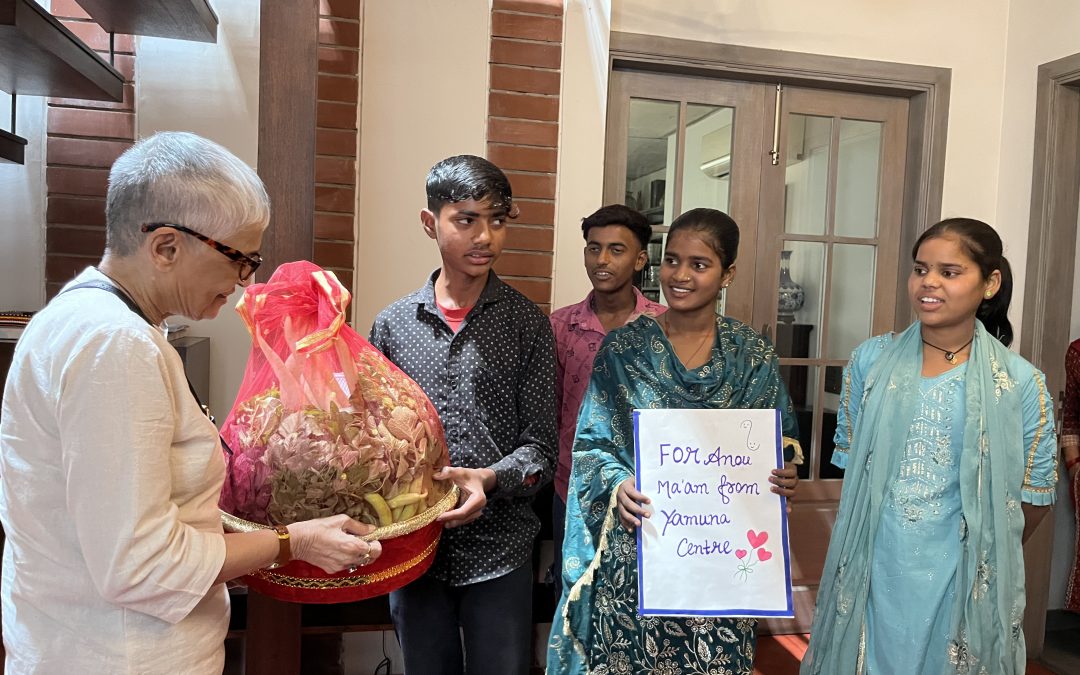
But a phone call changed it all. The Yamuna centre staff asked if I would be home and whether they could drop by for a few minutes. Four children and two teachers came by with the most soul stirring gift I have ever got in my life. A huge basket of fresh vegetable picked in the morning by the children from their fields and beautifully wrapped. It was the children who had thought of this. And with it a beautifully penned card that thanked me for having brought education to their doorstep and with time convinced their parents about how important education was. I asked the 4 children who had come what they aspired to be: one teacher, two doctors and a police officer. Way to go. You have to dream and dream big and Project Why will be the wind beneath your wings. But you children have taught me so much too: the hard toil needed for farming, respect for nature and above all the ability to stay grounded something that your urban peers have forgotten. You have taught us all that you can hold on to your values and need not cast them away in the lure of what we call urban dreams. Stay this way beautiful children. That is my prayer for you.
There were many messages from across the planet from my Project Why family and my amazing team; many videos from each and every centre with heartfelt messages from my wonderful children.
All in all, it was the best birthday in a long time.
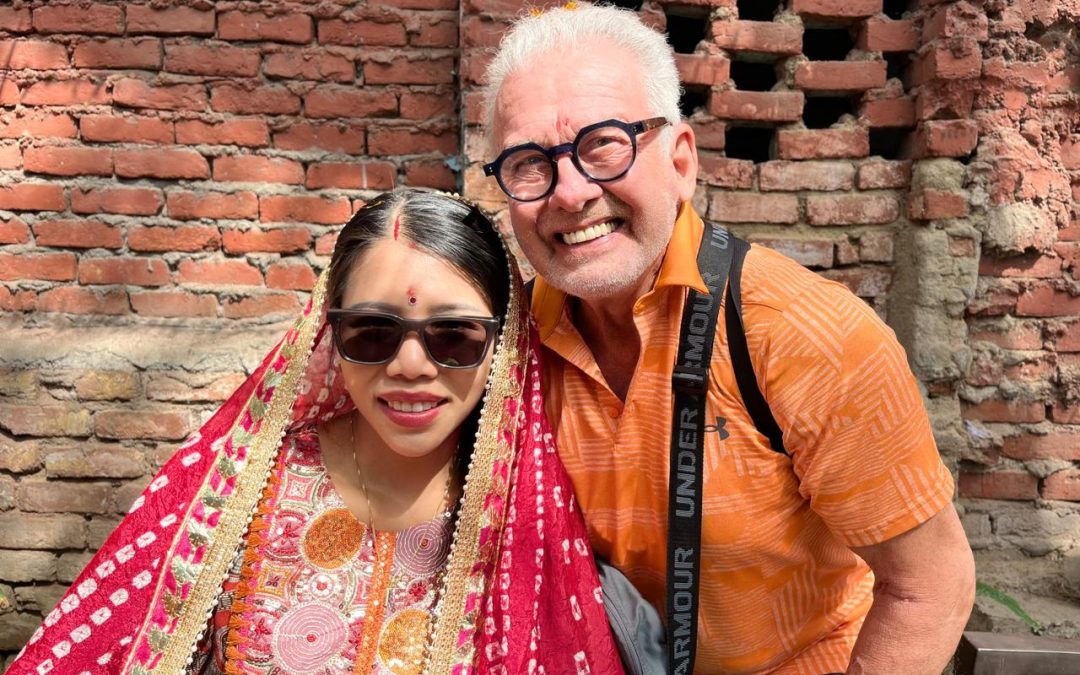
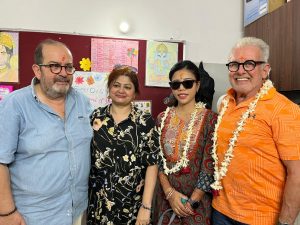
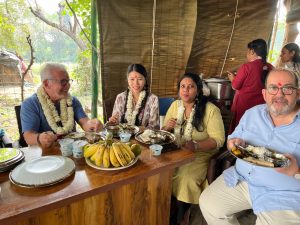
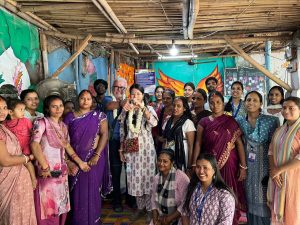
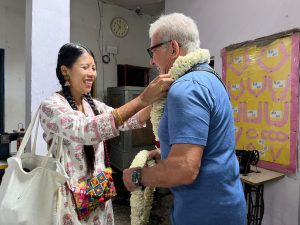
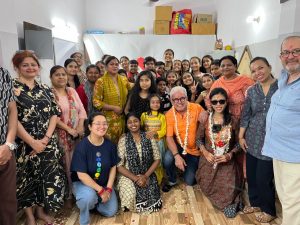
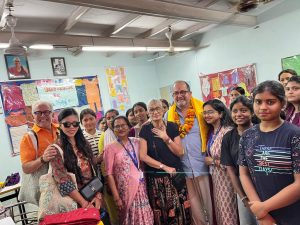
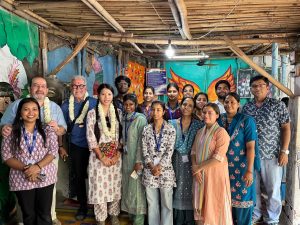
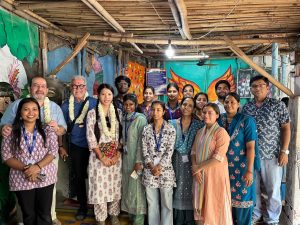
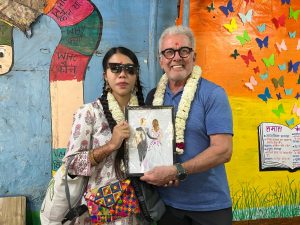
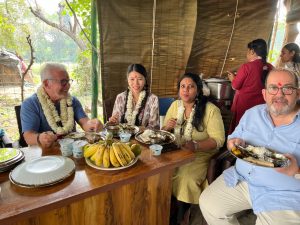
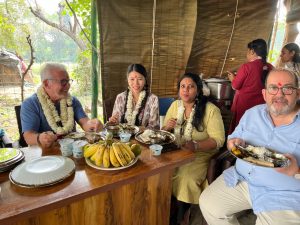
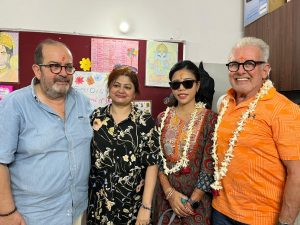
A few days back Xavier informed us about the visit of Serge an old friend of Project Why with his new bride Saranya. We decided to do something special for them. It was to be a surprise.
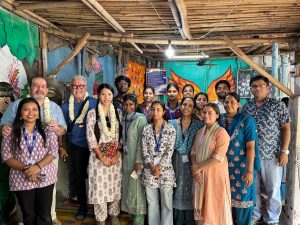
Serge carries India in his heart and his bride has never visited India. It was decided to welcome them at every centre with traditional Indian marriage customs. There was the exchange of garlands, the bride entering the ‘house’. after kicking a pot of rice, games newly weds play when the pride first comes, traditional wedding songs, wearing of toe rings and more.
Each centre did a fabulous job and the newly weds enjoyed every moment;