
The school bizMess #GivingTuesday #India
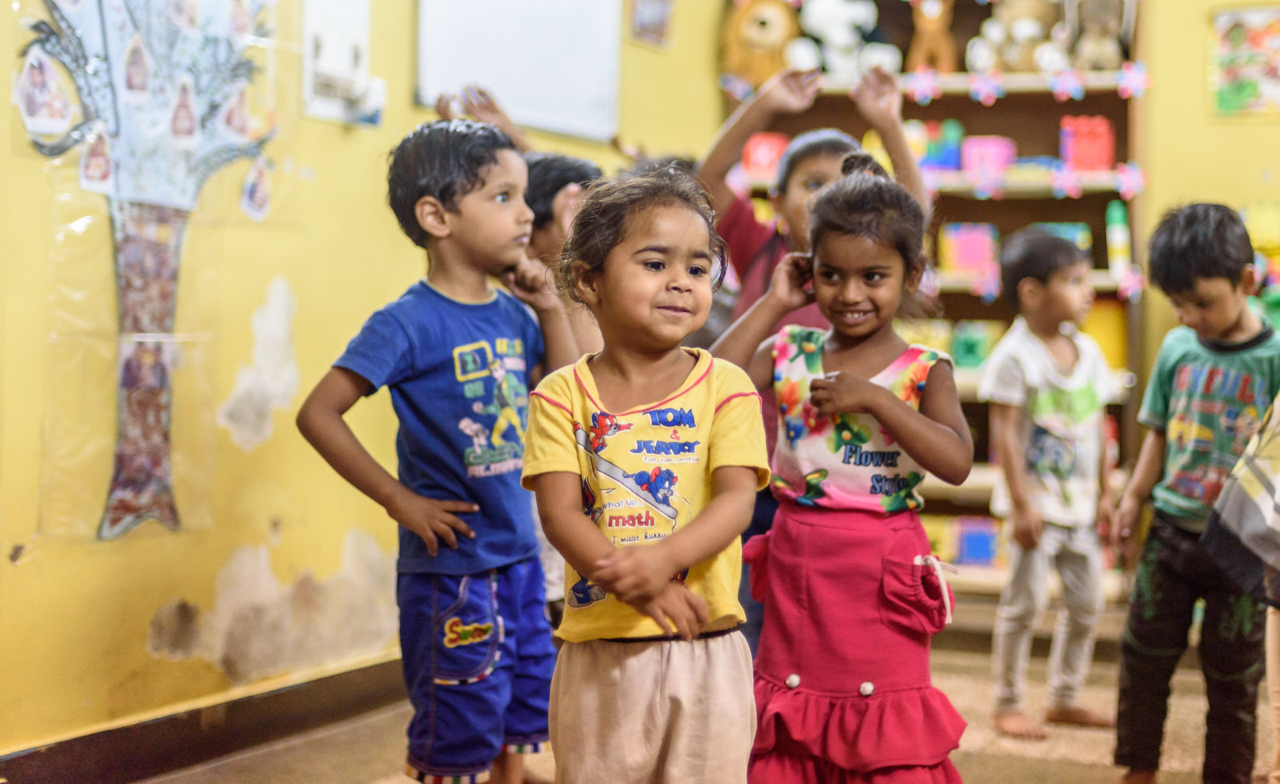
I send my child to school because I believe my child will be safe.
This is undoubtedly what most parents feel when the wave goodbye to their child at the gate of the school or the school bus stand. But all changed on the fateful day when a little seven year old was brutally killed within the walls of his school. The case remains unsolved and gets murkier by the day as a cover up game is on!
The terrible crime sends chills down one’s spine. Imagine a little boy who saunters happily to school in the morning, needs to visit the loo and is brutally killed, his throat slashed. His fault? Trust. Trust that in his school he is safe. A culprit had been ‘identified’. Is he the real culprit. The sexual assault angle has been negated by the autopsy. A fact finding committee has come out with glaring lapses in security measures. The Government has stepped in and may take over the school for a period of time. The case has been taken over by the country’s leading Intelligence organisation. But all this can never bring back the little victim to life.
Today as we sit and wonder why this happened and where did we go wrong, many things come to mind. As we look back on the recent history of education in free India, what stares us in the face is its commercialisation. Education is now a business. and in business it is not the child that is the centre of attention, but the money that can be made. The equation is skewed and unless its is redressed, the likelihood of another child being hurt is very real.
The question is: how does one balance the two, or rather can one balance the two.
I have always held that education should be equitable and free for every child born in this land. Thus education should be imparted in state run neighbourhood schools where children of all walks of life should share school benches. Isn’t education meant to be an even playing field.
Sadly this is not what seems to be the chosen option. Education is a business and no matter how many checks and balances one comes up with, one has to remember that market forces dictate businesses.
Memory is short. Soon this terrible crime will be forgotten. Things will go back to what they were.
Will it take another child’s life to bring us to our senses. Let us not forget that one child dying in one child too many.
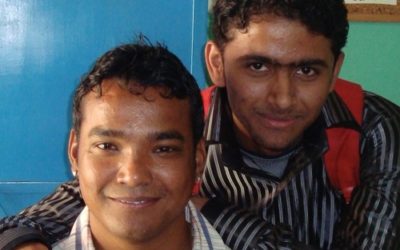
Naresh Sir, with Love
Project WHY opened its first spoken English class for secondary students in 2001 in Giri Nagar. It was the same time that Naresh had just completed his Bachelor’s degree in Arts and was looking for a job. He was a whizz mathematician and loved to teach, and to fulfill this passion he was giving tuitions to the neighborhood children, often for free. But in a poor home, one cannot afford to dream, for dreams do not put food on the table. Naresh tried his hand at various jobs, even as a vendor in a shoe shop, which just lasted two-days. His heart was not in it.
One day, in November 2001, a Class 10 student, Aadarsh, came to class with large welts on his arms. He had been brutally beaten in the government school he attended. Corporal punishment still prevails in many Indian schools despite a law against it. Project WHY resource persons visited the government school. The experience was Dickensian. The headmaster kept whirling the stick in his hand to make his point. The boy and other Project WHY students were humiliated. The boys were called guttersnipes and the Principal contemptuously informed us that these boys would never pass their Class 10 Board Examinations (a state level examination).
Project WHY took up the challenge of providing these boys with support to clear their Class 10 examination. With no funds, no space and no teacher to take this forward, Project WHY was in need of a miracle to get the bunch of lads ready for an exam in two short months.
A miracle came in the form of Naresh, who happened to be the elder brother of a teacher, Rani. He had just finished his degree and was looking for a job in the Giri Nagar area, where Project WHY had started. The only space available was the dusty pavement in front of our center and the only time available to tutor the students was between 7.30am to 9.30 am in the morning before they went to school. Every morning ten students assembled in front of the center, some mats were laid out and Naresh and his boys sat in a circle to study. The cold was kept at bay by cups of tea graciously offered by Naresh’s family.
That year, the challenge was won. The boys cleared their Class 10 examinations and this marked the beginning of Project WHY’s secondary outreach programme. Since then, Naresh has single-handedly ensured the success of hundreds of boys and girls who have successfully cleared their Board exams. The boy with the welts is now father of a little boy and all set to immigrate to Australia after having completed his higher education.
To Naresh, teaching a student is a mission he cannot fail. When exams approach, he schedules extra classes and teaches at the crack of dawn or late into the night. This is quite a feat for someone who likes a morning lie-in and a late session with his pals! On exam days, he is as nervous as his students, if not more, and waits for their return so he can find out how it all went. Come results day, his nails are bitten to the base as he scours the Internet, his students in tow.
Recently, when he went visited the Project Why Okhla Center and found out that the senior secondary students were in need of some extra tutoring, he rescheduled his timetable and took them under his wings. He never seeks extra compensation. Naresh often tells his students that he wishes there had been a Project WHY when he was growing up.
The Legacy That Became Project why
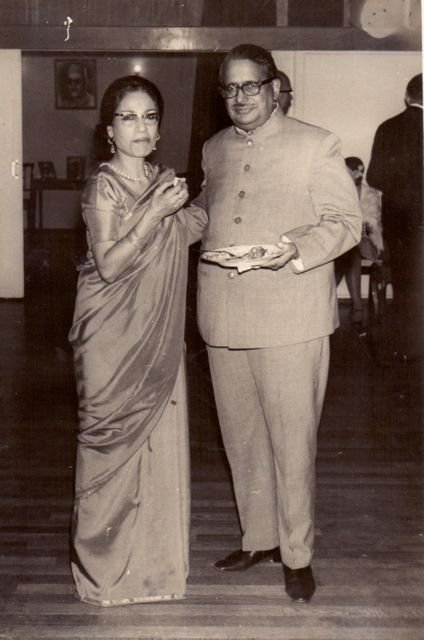
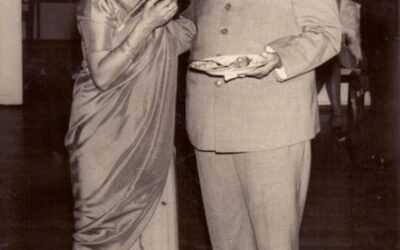
Live so that when your child thinks of fairness, caring, integrity she thinks of you. These words sum Ram and Kamala’s life. Today a more than a quater of a century after I lost them, and in the seventh decade of my life, I know I could not have been who I am if not for them.
They would have celebrated their 68th wedding anniversary today. I know they are popping the champagne bottle in heaven and I raise my glass to their happiness.
You may wonder why a blog about anniversaries and personal memories on what should be a post on Project Why. The answer is simple. Project Why is the logical outcome of an only child eagerly following her parents’ example day after day and not their advice. Advice is tinted by social mores, and politically correct guidance, example is from the heart. Advise would have been a lucrative career, a heavy bank balance, luxury holidays and three starred dinners. They gave me all that while I was still a child. I had my fill and sought more, but did not know what ‘more’ was as that never came as ‘advise”!
That came after they left and I sat looking desperately for the legacy they had left behind. It was not in the boxes and trunks and memorabilia that was strewn around me. I was terribly lost. All I had to hold on to were my father’s last words: don’t lose faith in India! It was November 1992.
It would take six long years of loneliness and pain to finally discover what the legacy was. Six long years of remembering their lives, the bittersweet memories, the stories often unfinished and bereft of any moral precept. And slowly it all came to me, in no order at all but somehow fitting the puzzle that would become Project Why. From Kamala’s side it was education, women’s right, patriotism, gender equality, standing for what is right, self-respect, courage and unconditional love. From Ram’s it was humanity, compassion, tolerance, social equality, generosity, giving unabashedly, giving when you did not have and of course culture, savoir-faire, integrity, probity and simple living.
It was left to me to honour this legacy.
And to honour them I set up Project Why with the hope that all the lessons learnt at their knee would be reflected in what I have been striving to do for the past 18 years!
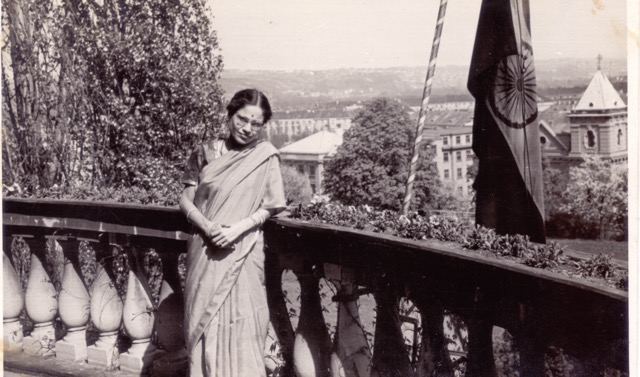
The Woman Behind Project Why: How My mother Inspired a Lifetime of Service
Every organisation has beginning. Project Why did not begin with a funding proposal ora a strategic plan – it began with the values passed down by my parents especially my mother Kamala Goburdhun. Her determination to pursue education against all odds and her quiet compassion shaped not only my life but also the work of Project Why. This is the story of the woman who guides everything we do
The Trust does not bear her name. Once again it was the flamboyant husband who won the match! But the real inspiration and the quiet and gentle motivating force as always in my life was Kamala Goburdhun née Sinha. Her lessons were not exuberant like those of her better half. They were subdued and tender, cameos of her life she shared with her only child. In the week mother’s are celebrated the world over, I would like to share some of these stories as each is echoed in Project Why.
Kamala the child was determined to go to school and her doting father did not stop her from getting enrolled in the first school for girls that opened its doors in the sleepy town of Meerut where the family lived. The school was established in 1929. She was already 12 years old but that did not detract her. There was no looking back. For education she would break all the rules. And she had two formidable women in her corner: her paternal grandmother and her mother! The three would devise ways to win over the Gandhian father. Kamala went on several hunger strikes to be able to continue her studies beyond class VI, go to Banaras Hindu University for her BA, do her MA and LLB. Her final degree would be a PHD at Charles University Prague, after the loss of her first born. Kamala was your never give up woman.
But there is more in the life of this small town freedom fighter’s daughter who went on to become an Ambassador’s wife. When she reached the age when girls would be married, she made a pact with her father, a pact both would honour. She was adamant about not having a child in a land that was not free and hence would not marry before India’s becoming independent, and should she still be of age, would marry whoever her father chose.
But that was not all. Her concern for fellow women was so deep, that she agreed to work for the British in order to reach out to war windows in the villages of Western UP to ensure that that their pension was not usurped by some male member of the family. She drove a truck to reach the far fledged villages. She lived alone in Mandi House Delhi and commuted every week to her home in Meerut in her little Baby Austin. In the villages she reached out to women in more ways than one. A real trouper!
India became Independent. Her father found a man, a man that would take her away on a real magical mystery tour. But the transition from freedom fighter’s daughter to diplomat’s wife was not easy. The first challenge came soon after marriage. A dinner at home where one of the invitees was the British Ambassador. Kamala was appalled at the thought of having to receive him in her home. How could she get past the memories of a little child applying balm to the lacerated backs of her father and his companions when they came back from yet another non-violent protest. This was her task as in those days there was purdah, and women did not mingle with men.
It took her husband oodles of patience and love to explain to her that India was free, and it was the Indian flag that flew on the house she lived in. She was to the manor born and understood what was expected of her. Again she never looked back and was the perfect diplomat’s wife.
So when I look at Project Why, at the years gone by, at the work we have achieved, I realise that though the Trust bears my father’s name, it is her lessons that are imbued in every breath I take, in every step I walk. My unequivocal and obsessive love for India and my pain at seeing how things are going, my determination to educate as many as I can, my desire to make women stand on their own feet. Everything is what she taught me.
So today I understand that if not for you, Kamala, there would be no Project Why!
Finding a purpose #GivingTuesday#India
(Posting a series of success stories from the compilation The Project Why Stories 2000-2016)
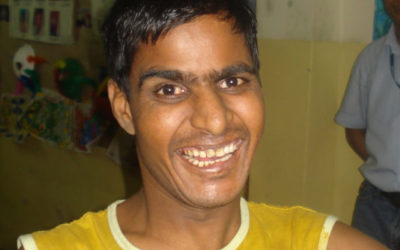
Project WHY’s journey starts with the story of Manu, a boy with special needs who the founder of Project WHY, Anouradha Bakshi, came across one fateful summer day in 2000. Manu was clad in rags, disheveled and filthy, limping and begging on the streets, crying out for help at being bullied and abused.
Manu wasn’t born a beggar. He came from a family that lived within its humble means – his siblings went to school, his father had a Government job and his mother loved him. An alcoholic father and his special needs were his only challenges. But after his mother’s death, and his sisters moving away after marriage, he was pushed to the streets, and often spent his days without anything to eat. His brother’s wife use to send him begging for a few coins. People fed him and treated him like a street animal, his father’s friends abused him, and kids pelted him with stones.
When Anouradha Bakshi answered his call for help that day in May 2000, in the streets of Giri Nagar, a journey began for both of them that would last ten years. The initial efforts were in finding an institution to take care of him, but with no success in that endeavor, a rented place in Manu’s locality was arranged – a larger plan slowly enfolded called Project WHY. Manu was the reason that really made Anouradha take the road less travelled.
Anouradha made herself a promise she would only reveal much later: Manu would have a home, a bed to sleep in, friends to share a meal with and even a TV.
Project WHY grew as a space to support underprivileged school children. Every day, the organization gained trust and working became better every year, especially for Manu. He was bathed, fed and had his own bed in the verandah of what was then our Project WHY office. And in 2002 when we launched our class for special kids, he was Roll number 1!
Some would perhaps think that was game over…Manu was given a TV and a place to stay. But not for the vision Manu provided or set for Project WHY. The challenges that had been addressed gave Project WHY the audacity to start dreaming big, …very BIG!!! Dreams of a long-term, sustainable future for children like Manu – The dream of Planet WHY. The first plan in this was to give Manu and his friends a place in which they could grow old and die in dignity. The idea of a green building, with terracotta bricks and old style flooring and many widows to let light and breeze in. It would be Manu’s home and workplace as he would be able enough to learn gardening or a skill. Land was bought, architectural plans made and Project WHY started looking for funds.
On January 7, 2011, Manu tiptoed out of Project Why’s and Anouradha’s life after having had a cup of tea and his favorite biscuits. It is only after his death that the true meaning of Manu’s life emerged. As Anouradha puts it, the biggest lesson Manu taught the family of Project WHY is to “never judge a child by their appearances and also believe that each and every child is special”. No life, however miserable, wretched or seemingly hopeless, is meaningless. Every life has a purpose.
Manu’s legacy is huge. If not for him, there would not have been a Project WHY. If not for him, so many lives would never have been transformed, be it the now thousands of children who have had access to education, the scores of kids with repaired hearts, the many hopeless souls who now have dignified employment, the bunch of disabled kids who now spend their day happy and so on. Manu was born to conjure miracles.
In true homage to Manu, Project Why lives on.

A sticth in time #GivingTuesday#India
(Posting a series of success stories from the compilation The Project Why Stories 2000-2016)

Born to a poor family in Bihar, Gyanti Devi never had the opportunity to learn as a child. Soon after her marriage, her husband, who is severely handicapped, required treatment. This meant moving her life and her two children to Delhi in 2006, where they lived on rent in the village of Madanpur Khader. The area houses mostly migrant families and has a high dropout rate from government schools as well as issues of safety and nutrition.
Gyanti Devi’s case was brought to our attention by a friend of the Project, Sunita, at the beginning of 2014. With her husband unable to work due to his handicaps, Gyanti Devi needed income for her family but, with no skill whatsoever, was unable to find a job.
At Project WHY, we felt that our sewing or beautician classes could give Gyanti Devi the opportunity to start a career. However, we soon realised that, being entirely illiterate, she would need more than just vocational skills. Dharmender, the manager of our Khader centre, proposed that she spend the mornings learning to stitch with the vocational group, but also attend literacy lessons with the children for 40 minutes in the afternoon. She agreed to this and became one of our most motivated and diligent students, slowly building up her literacy skills with the children whilst also finding solace in her knitting.
Now, Gyanti Devi is a proud graduate of the Project WHY system and able to read, write and sew with ease. She has started a small business within her village stitching other people’s clothes, with which she is able to provide income to her family. She is also able to read the local newspaper and understand what is going on in the world. She points to an increased sense of freedom and opportunity with the skills that she now has. Previously afraid to take the bus alone, she notes that “I can now make my house budget and also can read the bus signboard.”
Armed with a new sense of financial responsibility, Gyanti Devi has spent the last three years building a new house for the family. She would get up early in the morning and take the interstate bus from Delhi to Palwal (Haryana) by herself, returning late at night. There, she would bargain and purchase the construction materials required. She kept detailed records of all labour payments in a notebook and is proud of her achievements. “I have successfully built my home for my family. So, I can say today that what every man can do, I can also do”.
Project WHY believes that every person should be able to change his or her life, and it provided the support for Gyanti Devi to do this and achieve her dream. She has created a better future for her children and she hopes that the skills she has learnt will allow her family to prosper for generations.
Passion for Life #GivingTuesday#India
(Posting a series of success stories from the compilation The Project Why Stories 2000-2016)
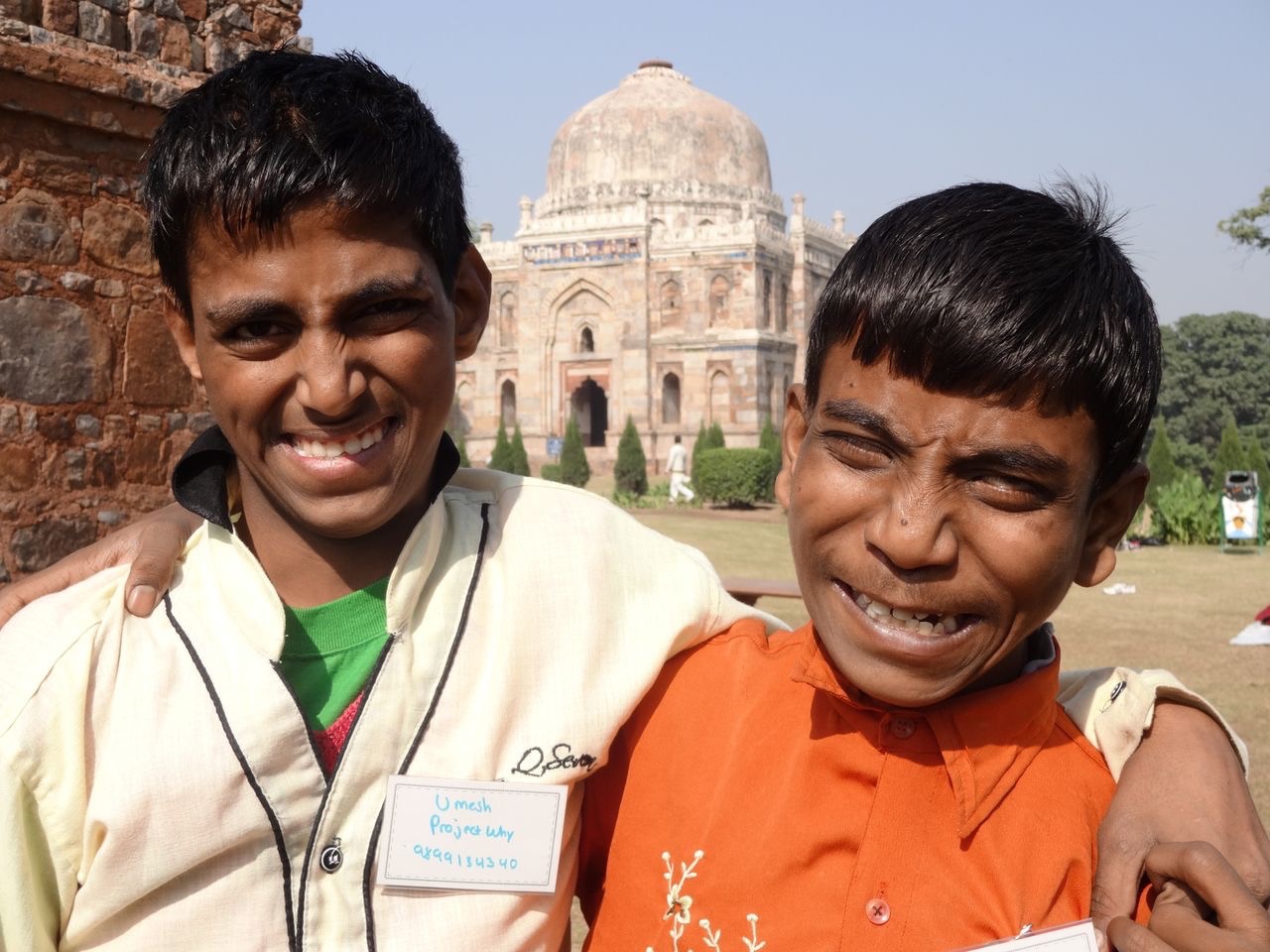
Indian society continues to treat disability with indifference, pity or revulsion. Low literacy, school enrolment and employment rates as well as widespread social stigma are making mentally disabled people amongst the most excluded in Indian society. These people are deterred from taking an active part in most families or even communities. Moreover, there is a stigma attached to children with disabilities, especially in rural India, and often even loving parents can do nothing to help their disabled child because they themselves are not aware of the disease or how to take care of their child.
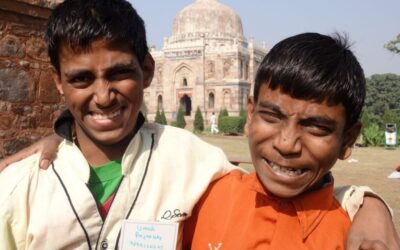
The story of Muna therefore begins in 2005, when he first arrived at Project WHY. It was clear that he had never been adequately looked after. Upon further investigation, it was revealed that, whilst his parents cared about him dearly, they simply did not understand his intellectual impairments. Muna’s parents did not have the time nor the resources to give him due attention, as they had to care for his other four siblings.
Interacting with Muna, Project WHY found that he had little concept of personal hygiene. He would regularly soil himself, and had never been taught to have a shower/bath. He had no understanding of social interaction and rules of engagement. This was demonstrated in 2014 when Muna left a shop without realising he needed to pay for his juice and was severely beaten by the shopkeeper.
Having grown up in the industrial neighbourhood of Okhla, Muna would spend his days begging outside temples, occasionally stealing when money was unavailable. Residents of the neighbourhood would befriend him simply to bully and take advantage of his simple mind. Without the ability to communicate clearly, he was reduced to performing illegal errands around the community such as collecting and selling alcohol for under-aged children.
Project WHY began by teaching Muna the basic concepts of hygiene and to be self-reliant. He was taught to use a lavatory, to dress himself and to shower regularly. From there, we were able to build his confidence through speech therapy classes and develop his basic social interaction skills. Project WHY also initiated the process of educating Muna’s parents, who now understand his disability and the kind of care that he requires. They acknowledge his kind heart and sense of compassion even if he cannot communicate it in the same way as other children.
Today, at the age of 19 years, Muna is one of the stars of Project WHY’s special needs class. He is the first to welcome and befriend any new volunteers, including foreign students who do not speak the Indian language. He is very fond of activities such as art, ball games and dancing and, in spite of his difficult childhood, he shows an overall passion for life.

Not the India I want to live in
This picture is not the LOC. It is not an incarceration centre. It is not a prison. It is not a loony bin. This is my home! This the wall that separates us from our new neighbours!
I seek your indulgence today for writing a very personal post. I ask it in the name of all I have done and stood for and in the name of my mother who fought for the freedom of our beautiful country and was even willing to live as an old maid rather than give birth to a child in an enslaved land. God did give her one child: me. Kamala, my incredible and beautiful mother ensured that her only child take her first breath in an India that was free.
Today, sixty five years later I wonder if it was all worth it.
I have over the years felt saddened at many things but set them aside and never lost hope. I preferred taking the road less traveled and dog what I could to fulfil the dreams of all those who fought for our freedom. It was a fulfilling journey. There were hiccups but it was all par to the course and was taken as such. Ours is not a perfect world.
When things got bad, I drew strength from the home we built almost half a century ago where every wall is filled with memories of unconditional love and abundant gratitude. My home, now old and crumbling was my security blanket. I just needed to walk in and felt at peace.
But even that has been taken away from me.
The old house next door was brought down and in its place a new building was erected with many flats. Even that was OK. For many months the din and rattle made by the workers and their families was comforting. It was my India. The wailing of babies, the shouting, the laughter and even the fights, everything was welcome. But that too ended. Now we have neighbours!
I looked forward to meeting them as my generation welcomed neighbours and often bonded with them. But that was not to be.
I was woken from an afternoon sleep by strange jarring noises. I wet out and discovered workers on the wall that separates the house drilling holes and placing iron angles. When I asked what was happening I was told that this was for barbed wires, the lethal kind. My blood ran cold. This was the place where Utpal and my grandchild play in summer, the wall they climb when their ball gets stuck in the tree or on the parapet. This was the wall across which in the good old days when the old house existed we handed over a cup of sugar or some other silly item the neighbour needed, the wall where we stood and simply exchanged a greeting.
The idea of looking at barbed wire was preposterous and filled me with sadness and rage and total incomprehension. What had we become? When had we lost all that was good and beautiful? When had we allowed the invisible barriers we had erected to become visible and so in the face. This wall is just between their house and my house. When did they and I become enemies.
I did try to reason with the young person who will now be my neighbour. But to no avail. The fear was so deeply instilled that no words could assuage them. Those fears were a reflection of the society we have become. It seems like no one knows what the cause is. That has got lost in translation.
The anger gave way to sadness and the sadness to the realisation that the barbed wire was here to stay and that it was for me to find a way of protecting myself and my children and grandchild from its ugly sight.
Today I will get some kind of shield placed in front. I will make sure it is bright and filled with colours. I will make sure that my little ones will be able to climb that wall and that tree and get at the ball they hit often purposely so that they can climb that tree and that wall.
I refuse to be greeted by barbed wires every morning!
Remember, I am the child of the mother who was willing to sacrifice motherhood at the alter of freedom.
We push them in. Please don’t push them out #GivingTuesday#India
The Delhi government, while inviting applications for admissions to nursery, kindergarten and Class I, has imposed an upper age limit of 4, 5 and 6 years, respectively, on applicants. It is so easy to make ‘laws’ for children who have neither voice nor vote! And it is also so easy to find picture perfect justifications that seem logical. “We cannot admit a 12-year-old to Class I, the child needs to go to Class VIII only,” said an adviser to the education minister. Yes true. That is the ideal situation and we all wish we could ensure that ALL children in India could access Nursery at age 4! But sadly that is not the case so a law like this pushes millions out of school. The Education Act allows late entry upto class VI. True a 12 year old does not look ‘good’ in class I but can you take away her right to Education with one stroke of the pen.
One of the most cherished mission of Project Why has been to push back children to school and mainstream them. If we were to look back under this new prism a large percentage would have been pushed right back to the streets. Most if not all children out of school belong to what we call underprivileged homes, the other side of the fence! They do not have parents who are obsessed with getting their kid in a school. They do not have parents who know the value of education. Their parents are often illiterate and busy surviving from day to day. Their kid is not sent to pre and pre pre nursery schools. They often do not even keep track of their child’s age.
The parents we work with have to be pushed and reminded and egged on and often it is Project WHY that takes on the parental role till the moment when a crucial signature is needed. Now I guess we will have the added responsibility of keeping track of their ages.
Why is it that when decisions are taken about children, the ones on the other side of the fence are far too often forgotten.
We push them in; please don’t push them out!
Angel in disguise #GivingTuesday#India
(Posting a series of success stories from the compilation The Project Why Stories 2000-2016)

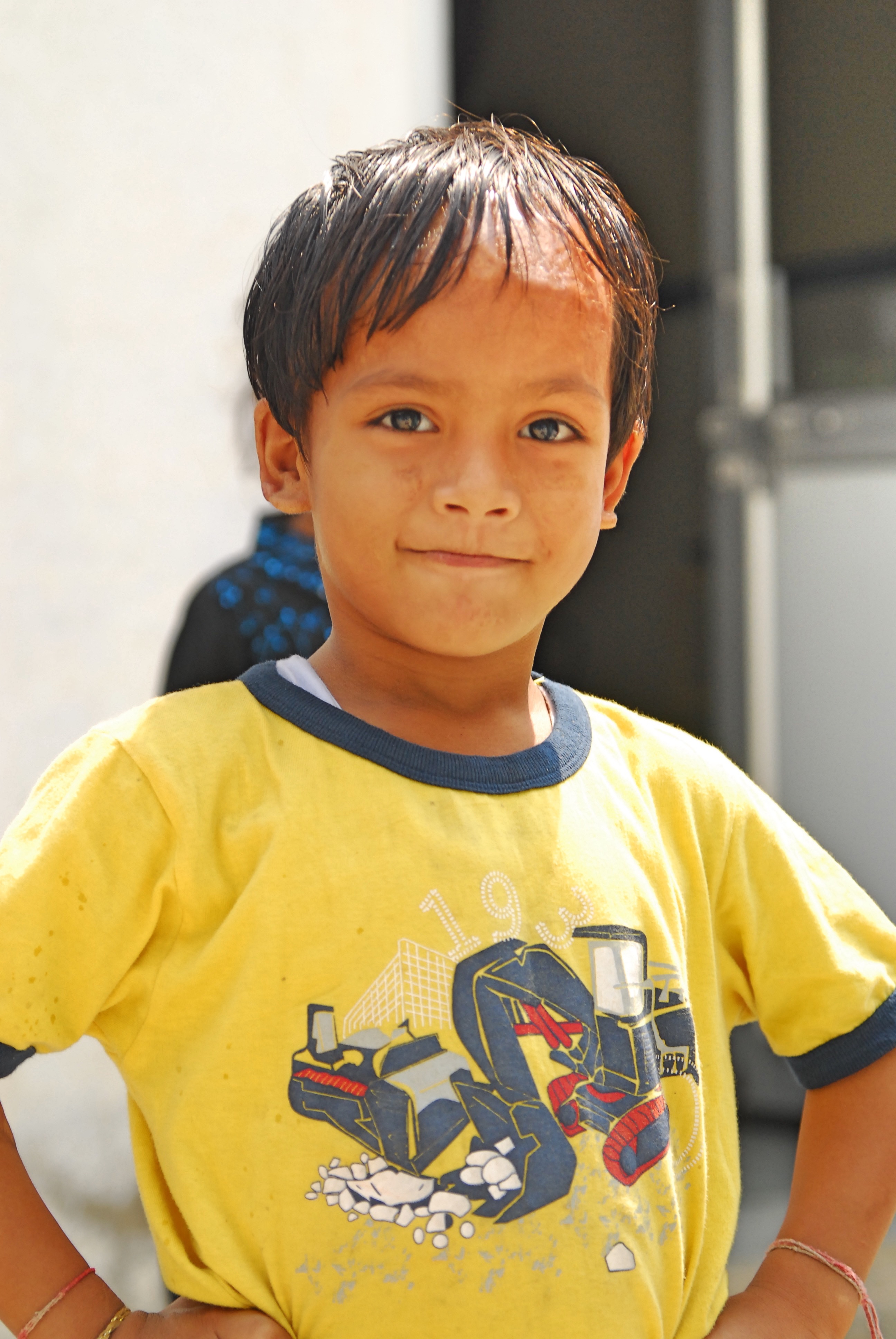 “All God’s angels come to us disguised” said James Russell Lowell. Utpal a.k.a Popples, and Outpal to all his friends is a force to reckon with, and a great lesson in survival. From a young age, he suffered third degree burns, double pneumonia, acute hepatitis A, and he never gave up.
Utpal and his family moved into the tiny hovel adjacent to the Project WHY office, Giri Nagar in February 2003. In March 2003, the day after Holi, the ‘little boy next door’ had fallen in a boiling pot. The tiny boy sustained third-degree burns. The hospital gave up hope for the child’s survival when the discharge slip read – “Chances of survival – Nil”
Project WHY, along with the help of Sophie, a volunteer nurse from Paris assisted in nursing Utpal back to health. In time Utpals scars healed, and the frightening reality of his existence emerged – alcoholic parents, violence, abuse and no clear plan ahead. His family was completely dysfunctional and not a healthy environment for a child to grow.
Utpal negotiated both worlds the best he could. In 2003, Utpal started attending Project WHY in the day time and at night stayed with his parents. If the days were safe as both mother and son were under Project WHY’s care, conversely the nights were unpredictable – with nothing to eat at home and the possibility of ending up at the police station. He was an endearing child and wise beyond his years. Should anyone want to visit his home he would run ahead on his chubby legs to hide the alcohol bottles consumed by his mother at night, saying: “Mama was naughty.”
As Utpal’s mother’s alcoholism became unsafe for the child. Project WHY stepped up and sent the mother to rehab for women and Utpal in boarding school. At that time Utpal was just 4 years old. The separation was hard for Utpal, but as he accompanied Project WHY resource person to the rehab centre; he bid farewell to his mom with a smile as he knew he is safe but above all his mom is safe.
The intermittent years were not easy. Utpal learned to integrate into his new life at the Boarding school but would still come to his family on holidays, where the situation continued to worsen. Another incident compelled Project WHY to step in again – that of securing his legal guardianship, as it was feared that the family might take him out from boarding school and vanish. Project WHY’s founder, Anouradha Bakshi was made his legal guardian.
As the years rolled by, Utpal taught us many things but most of all the meaning of dignified acceptance in the wake of any adversity: from excruciating pain that third degree burns bring, to the abject humiliation you suffer when those you love the most let you down.
Looking back, Utpal was an ideal candidate for begging at a red light. Drunk parents, a nicely scalded body and yet an incredibly beautiful personality. With a little help from a network of friends who held on to the dream, of a better life for Utpal with Project WHY, made it possible for Utpal to survive and slowly transform his life. Each day goes by with making small memories which is captured in the little book called “dear Popples. with love Maam’ji” which will stand in for all the memories that Utpal may need as he grows into a man.
Today, Utpal is 15 years of age and attends grade X at the boarding school. He is making up for all the lost years and the wise little chap of yesteryear has given way to a delightful adolescent with all flaws that come with the teen-age. He has made friends with his scars that had made him the butt of a lot of bullying and riling. He’s now a natty lean young lad, a mean skater, who teaches skating to smaller children in his school, plays tennis and football. He’s extremely fond of ‘engineering’: he takes apart a multitude of objects and rebuilds them when he’s at his guardian’s home for the holidays. He loves music and dancing like any other 15-year-old waiting for his dreams to unfold.
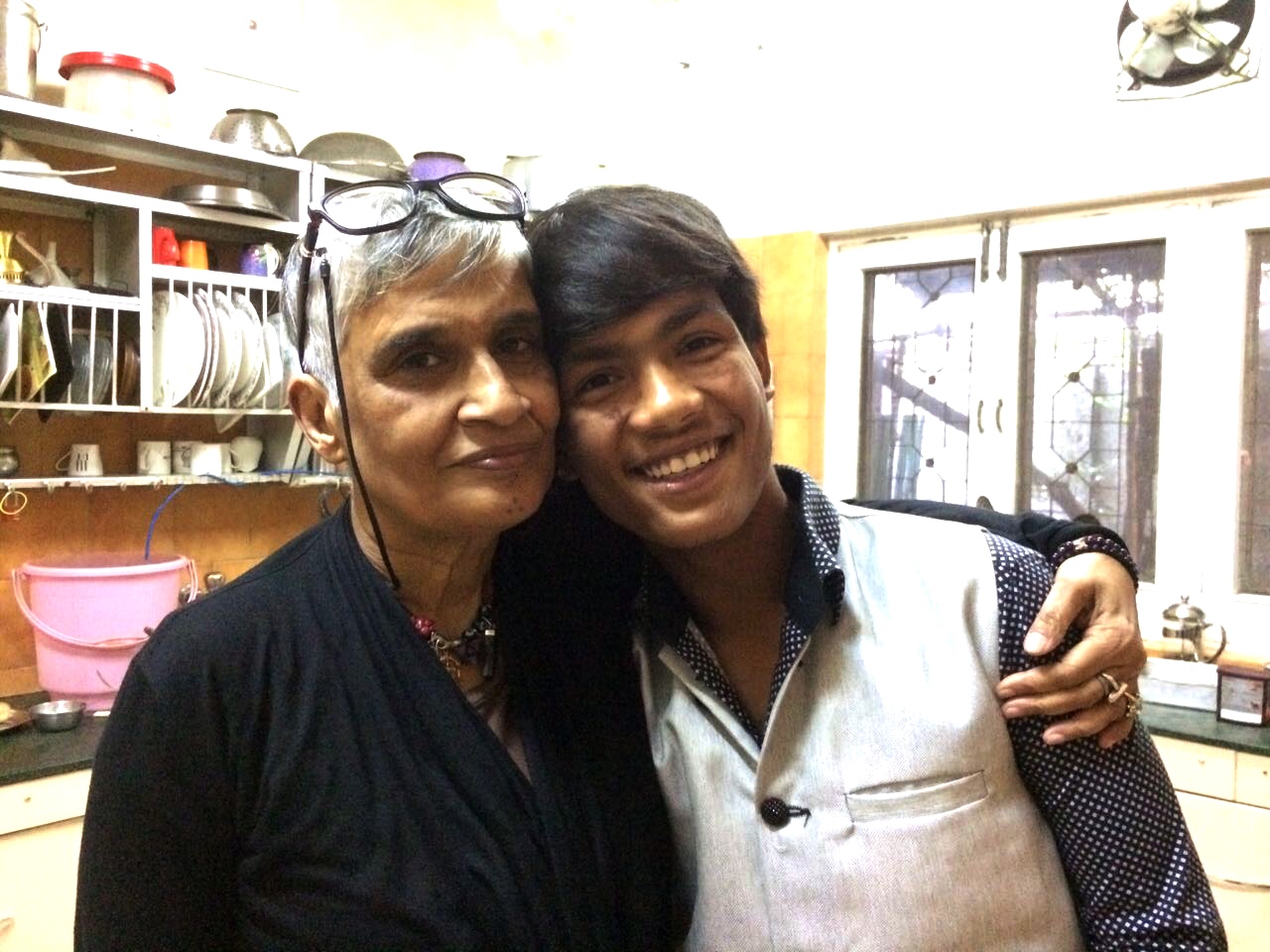
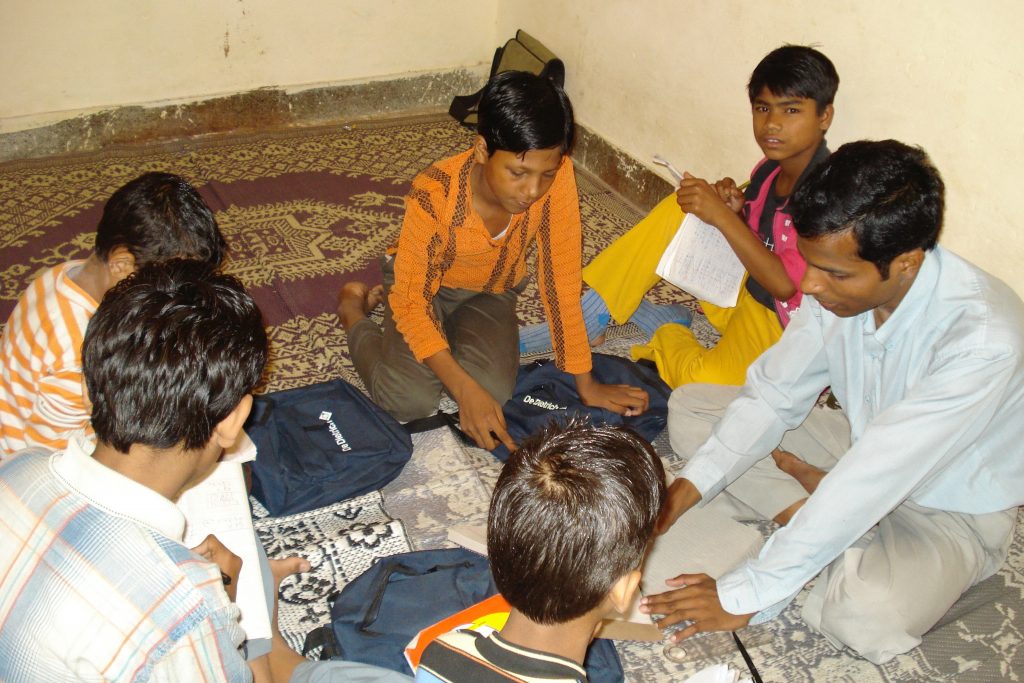
Chandan Play it forward #GivingTuesday#India
(Posting a series of success stories from the compilation The Project Why Stories 2000-2016)

Chandan came to Project WHY in 2002 as an electrician. He lived in the community of Giri Nagar, where our original centre was based. The Project was in search of an electrician to do the odd repairs around the centre. Vinod Chaudhary, a friend of the Project WHY told us about his nephew, Chandan, who was willing to assist.
After a few months of such work, Chandan explained to us that he wanted to do more than just fixing lights; he wanted his career to progress and he wanted to leave a real impact on this world. As he was interested in teaching, and demonstrated raw talent in maths and science, Project WHY hired him as a Primary teacher in 2003. Chandan worked as a full-time teacher by day and an electrician by night in order to supplement his income.
Chandan was an excellent teacher but, having been brought up in a society rife with casteism, his behaviour raised issues for the Project. In India, no matter how educated one is, an upbringing in the rural village of Bihar renders the caste system a way of life, making it a difficult philosophy to eliminate.
India’s caste system is among the world’s oldest forms of surviving social stratification. The system divides Hindus into rigid hierarchical groups based on the occupation of the family into which one is born. Traditionally, the system bestowed privilege upon the upper castes whilst sanctioning the repression of the lower castes by privileged groups. Often criticized for being unjust and regressive, the system persists in many rural and urban cities.
As a non-discriminatory mission, Project WHY employs staff from all walks of India, regardless of community and caste. Unfortunately, people like Chandan were taught from a young age to avoid any group situation that involved both high and low class. Initially, we did not pay much attention to Chandan’s behaviour in the hope that he would naturally integrate into our way of thinking. He would occasionally avoid the Project’s group activities that involved groups from mixed castes, but otherwise did not pose a problem. However, in 2004, when our local tea seller lady Seema picked a fight with Chandan for having refused to drink her tea, the Project WHY team had to step in to calm the situation. Seema reported Chandan to a village elder that night and the ensuing violence between communities required intervention. We found ourselves using Chandan to explain to the community that violence was not the answer and that all issues could be resolved in time.
After working with Project WHY over time, seeing its progressive approach to hierarchy and understanding the value of each member of society, Chandan slowly changed his mindset and began accepting all castes equally. By welcoming him into a career that he believed to be above his reach, we taught him to do the same for others, and he now finds himself relaying the same message back to his village in Bihar.
In 2004, Chandan wanted to do more and learn more. He took extra classes with Project WHY’s resident mathematician, Naresh, in the hope of teaching secondary classes in the future. In 2005, he began teaching our Junior Secondary classes, but continued to teach electricals for those looking for careers in the field. It also transpired that he was a talented artist and the children enjoyed learning to draw under his guidance.
After eight successful years with the Project, Chandan, along with another teacher, Pravin, wanted to take the vision and concept of Project WHY and apply it to their own community of Bihar by creating a new NGO. In 2010, Chandan therefore created the “Deepjyoti Charitable Trust” which works in a similar way to Project WHY, but targets education and social mobility in his home state of Bihar. Chandan has replicated our concept, initially taking small groups of children into education, and going on to expand into an all-round support centre. Project WHY provided its expertise to the trust and acted as an adviser, as well as providing financial assistance for its first two years. We continue to maintain close relations with Chandan and his team, but the organisation is now able to stand on its own two feet. Chandan and his Pravin are now proud owners of an NGO that makes a genuine difference in Bihar and playing it forward!
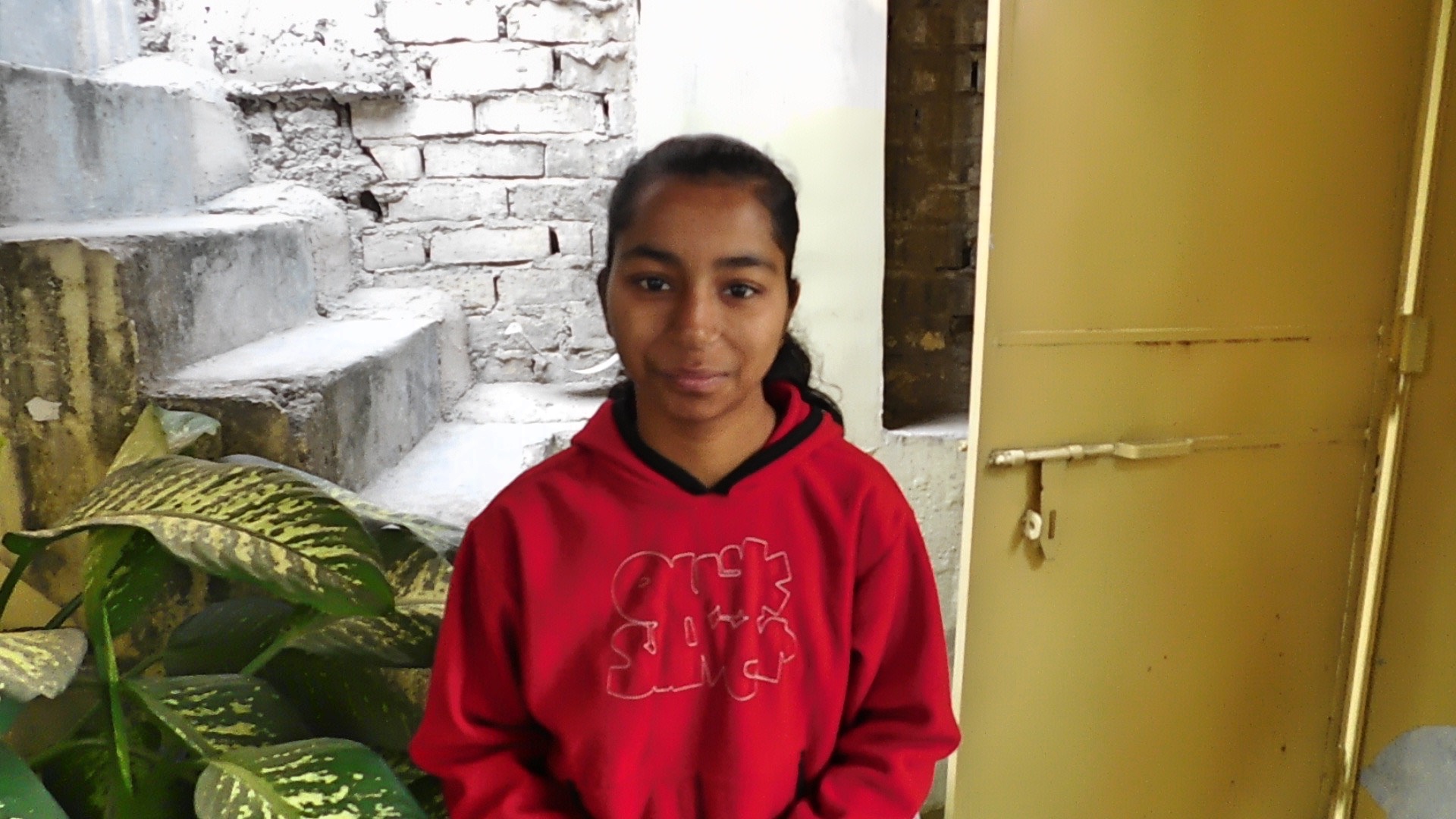
Bindass Babli #GivingTuesday#India
(Posting a series of success stories from the compilation The Project Why Stories 2000-2016)
When Babli first came to Project Why in 2004, she was a bright-eyed, feisty girl; what some Indians would call Bindaas, meaning carefree and confident. She loved books and seemed to always have a smile. It took Project WHY’s resource persons some time to realize that every breath she drew was an effort. Babli had a hole in her heart from birth and needed corrective surgery. Her family was unable to come up with the needed funds. They had simply accepted that she would not live long.
In India, little girls are sometimes considered dispensable, their hearts not worth mending. The Census of India 2011 demonstrates a decrease in the population ratio of female children (age group 0-6 years) of India compared to 2001. For every 1000 male children, there were now 914 female children, a drop from 945 – where are our girls? Investigations show that female infants experienced a significantly higher mortality rate than male infants in all major states.
Thanks to our wonderful friends, Project Why was able to raise the funds for Babli by 2005 and the operation was performed successfully. It was scary and painful for this innocent little girl, but Babli’s bindaas spirit saw her through it all.
After her recovery, Babli was expected back in school but, to everyone’s shock, it emerged that she would not be able to continue her education. Her mother, being the sole earning member of the family, didn’t have time to take Babli to school. She also needed her to take care of her younger sister. The father was busy playing cards, and it eventually fell to Babli to manage the father’s work cart that sold tobacco and biscuits.
One step forward and two steps back. The Project WHY resource persons soon found Babli sitting on the cart selling chewing tobacco, cigarettes and biscuits instead of being in school, and her little sister standing in the background. She told them about how her name had been struck off from the rolls of the school and why she was working. But Babli’s words, spoken when she had trouble breathing, still resonated: “I want to be a police,” she said, without hesitation, when asked about her dreams.
Project Why found the situation unacceptable, and took steps to change it. After a meeting with her parents and a visit to the nearby government school, Babli was back in school.
Today, thanks to a kind sponsor, Babli studies in Class 9 at English Medium Boarding School in New Delhi, where she often tops her class. True, she won’t become a ‘police’ as the aftermath of her surgery resulted in scoliosis, but she will shine. Her education, which had fallen into peril this year because of a major donor backing out, will continue thanks to another kindhearted donor who has stepped in to fill the gap. This is Project WHY’s attempt to prove that given equal opportunities, children from the slum can do as well as those from the privileged classes.
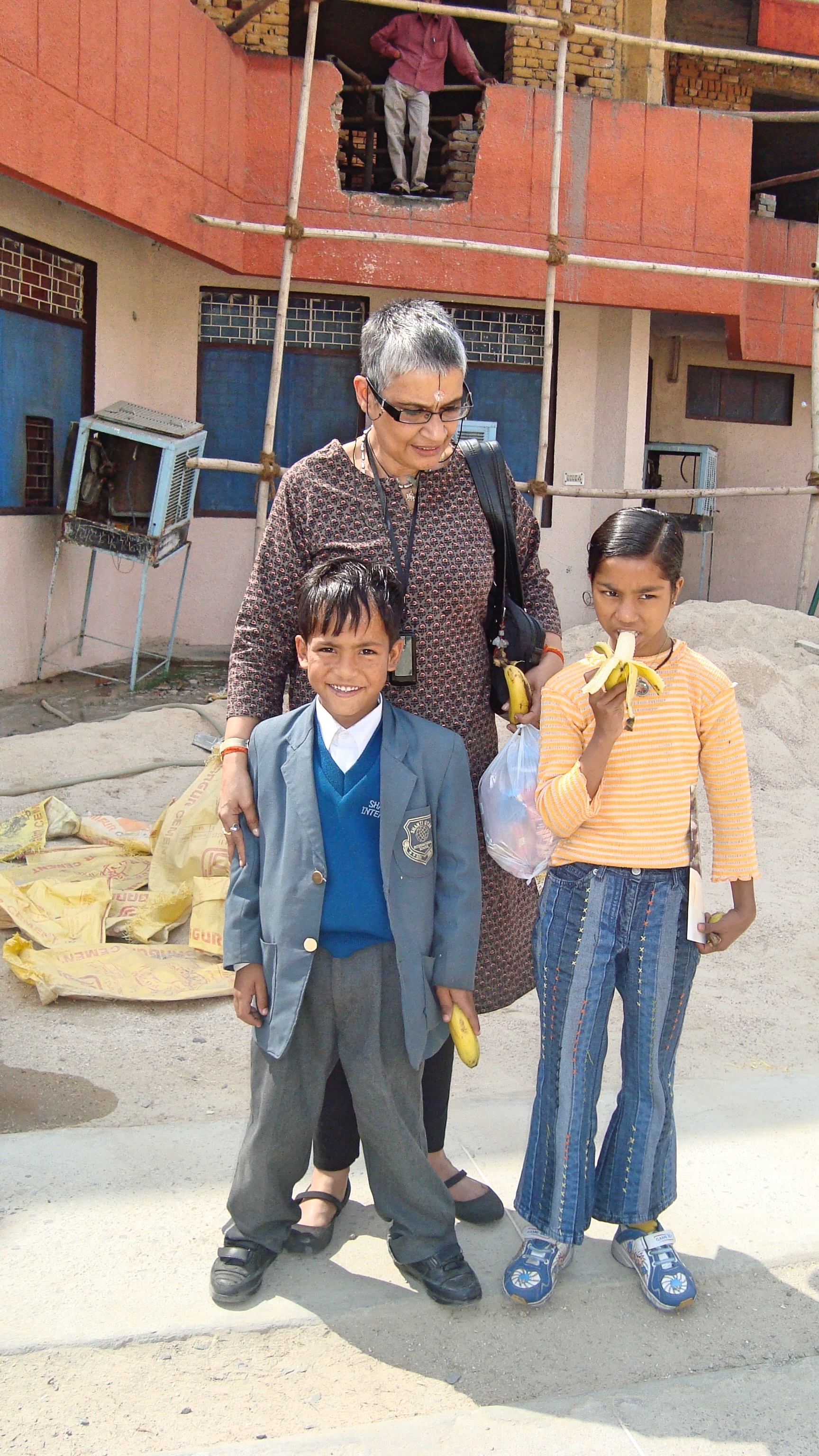
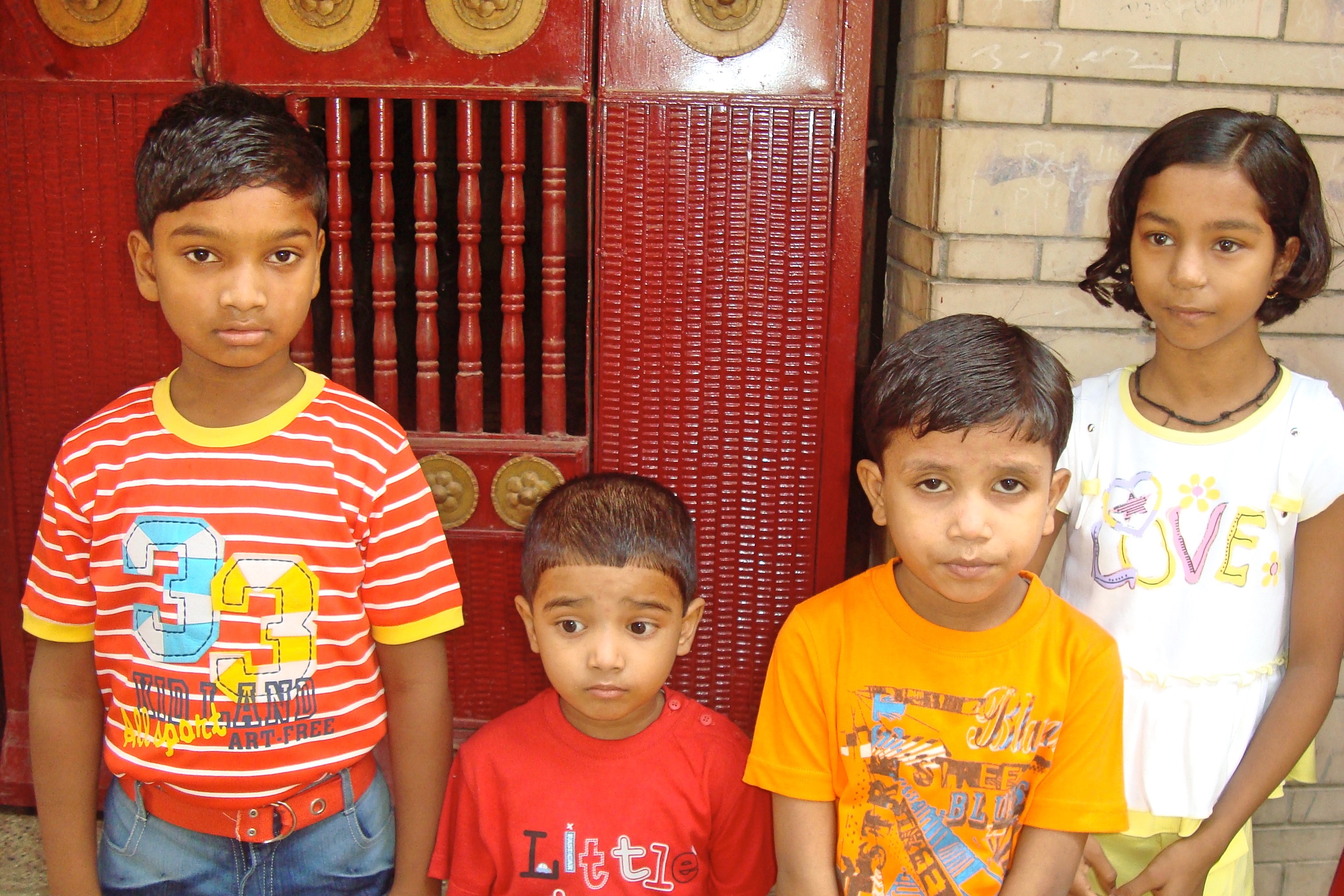
Anita the power to say ‘NO”! #Giving Tuesday#India
(Posting a series of success stories from the compilation The Project Why Stories 2000-2016)

project why
Anita’s relationship with Project WHY started in 2002, when she started studying as a young girl studying in Class 3. Her father comes from Bihar and moved to Delhi in the late 1980s to look for education. Due, however, to financial problems, he was forced to start working at the nearby factory at an early age and settled in the Giri Nagar area.
In 2004, with Anita in Class 6, her father, the family’s sole earner, was told that there was no work in the factory and told to take a two month ‘break.’ Whilst her mother had previously devoted her life to running the house, she was forced to begin running a stitching and embroidery service from home. In an effort not to make her family suffer, Anita’s mother combined this income with her life savings to support their lifestyle.
Anita is a glowing example of the opportunities that Project WHY can create. She attended the centre in Girin Nagar until Class 12, and recorded consistent scores of 75-80% throughout her school career. As one of our brightest students, she secured admission to the prestigious Delhi University to do her B-Com in 2012.
Anita returned to us after graduating, wishing to provide the same opportunities to similarly underprivileged children. Her parents were supportive, indeed they knew she was safe with us and did not want her working anywhere else. As one of our oldest and most successful students, we were happy to taker her on as a primary teacher. She then went on to teach some of our brightest secondary students.
In 2015, she came to us with the news that she would have to leave the job, as her parents had found a boy in the village and wished for her to get married. We had no choice but to accept this. Yet, four months later, Anita returned and asked to resume her old post, which we were happy to give her. The boy’s family had demanded a large amount of money as ‘dowry,’ claiming her to be dark in skin, and apparently not sufficiently pretty. Yet Anita, as a product of Project Why, had learned to speak for her rights. She knows her self-worth, beauty and value to society and refused to get married under these conditions. She therefore spoke herself to the family to reject the boy and the forced marriage.
Dowry or Dahej is the payment in cash and/or in kind by the bride’s family to the bridegroom’s family along with the giving away of the bride (called Kanyadaan) in Indian marriage. It runs across all classes and castes. Although Dowry was legally prohibited in 1961, it continues to be prevalent and highly institutionalised. The groom often demands a dowry consisting of a large sum of money, vehicle, house, furniture, and electronics. The dowry system puts great financial burden on the bride’s family
At Project WHY, we pride ourselves in discussing prevalent social issues such as caste, dowry, violence against women and sexual abuse. We believe that we have made our resource persons fully aware of their rights and responsibilities. Anita, at that moment, stood up for her rights and refused to get married on those terms and conditions. “I am as good as any girl on this planet,” she voiced.
Today, Anita is back teaching and continues to value education above all else. Together with her mother, she is funding her brother’s B-Tech from IP University, at a cost of INR 60,000 per year, striving to give him the same opportunities in life that she had. Concurrent to her work as a Secondary teacher, Anita is now pursuing her M-Com. She wants to apply for a Government job, from which she feels she can have an impact on an even wider scale. Yet, always thankful of her roots, she will never stop supporting Project WHY, both through donation and through education.
“At the age of six I wanted to be a cook. At seven I wanted to be Napoleon.” #GivingTuesday#India
“At the age of six I wanted to be a cook. At seven I wanted to be Napoleon. And my ambition has been growing steadily ever since” wrote the inimitable Salvador Dali.
Dreams are never too big. Dreams are never too small. Dreams are dreams and dreams come true if you dare to dream. At Project WHY we do.
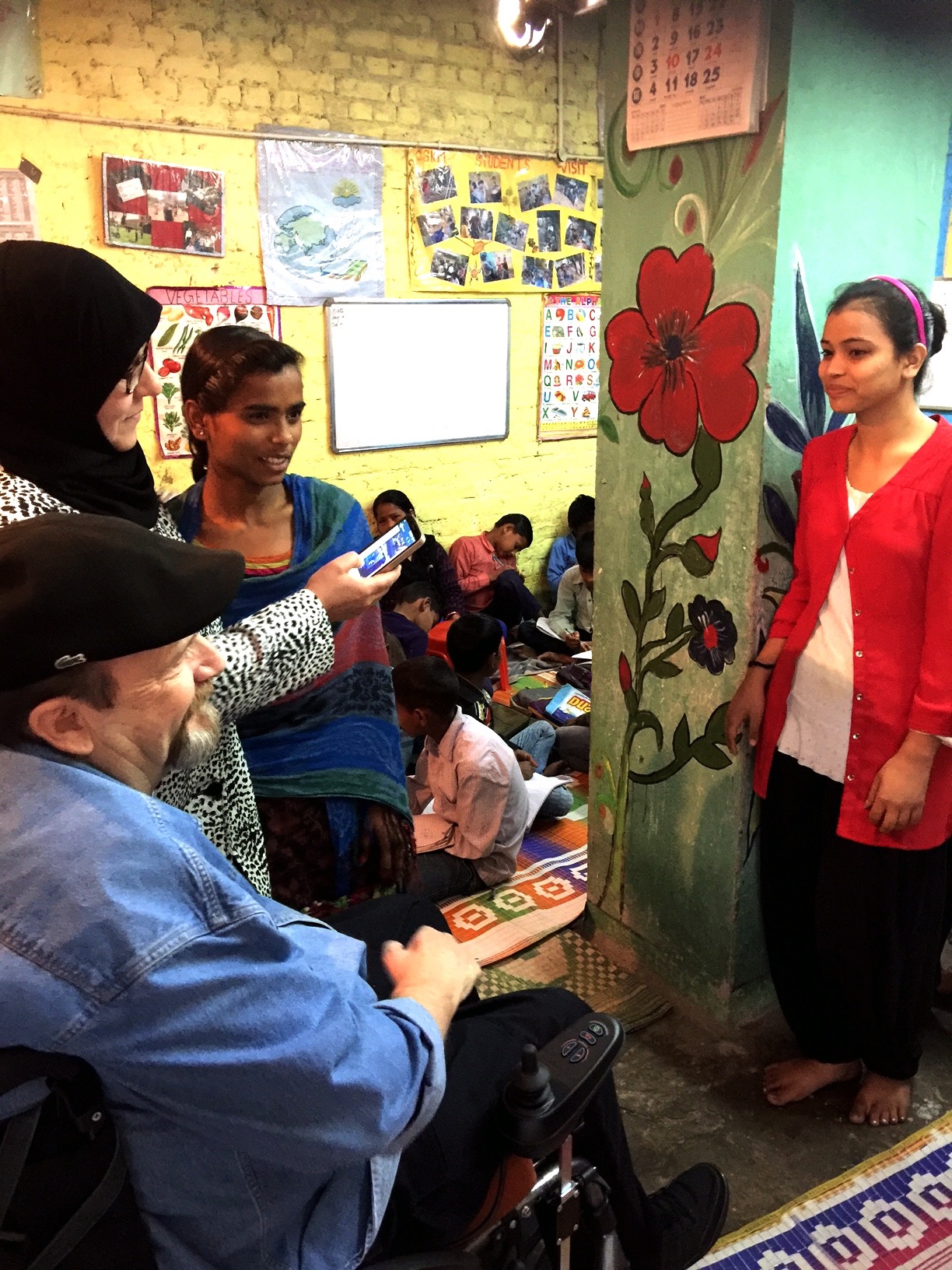
Last week we welcomed Lionel and his charming wife Leila. Lionel suffered an accident that left him paralysed and no one thought that would come the day when he would come and visit the children he had been supporting for many years. But Lionel is a dreamer who holds on to his dreams. His wife decided that come what may, Lionel would meet his beloved children at Project WHY.
No road was too bumpy; no door to narrow to come into the way of this dream. Lionel visited Okhla and Yamuna and could hold and hug the children he had only seen pictures of. The wheelchair could not climb stairs but the children came down and what else would be the topic of the day but dreams.
It was a wonderful and heart warming moment as child after child came to them and told they what their dream was: become a teacher, doctor, software engineer, pilot, army officer, police officer, singer, cricketeer, astronaut. It was touching to see boys and girls of all ages share their dream and for a tiny moment one forgot that these children came from underprivileged homes where surviving from one day to another was a challenge. But no challenge can come in the way of dreams and no dream is impossible.
As I watched these wonderful children some of whom I have seen grow for the past decade, I knew that the task was far from over and that these dreams had become mine. It was now time to make them come true!
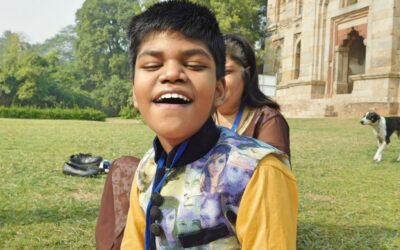
I am a part of God’s wonderful creation #GivingTuesday#India

Use the skills that I have got.
Do not focus on what I have not.
Of course, I am aware of my limitation.
Yet, I am a part of God’s wonderful creation.
William E. Lightbourne
A recent article brought once again the terrible plight suffered by mentally challenged souls. The article gives us a glimpse of the state of affairs in one of Delhi’s Home for the Mentally Challenged: overcrowding (4 to a mattress), filth, stink, inmates crawling for want of wheel chairs, no medical or psychological support, poor nutrition, no hygiene. The list is endless. And it gets worse: the inmates are even denied the last shred of dignity.
Was it instinct or God’s intervention that made me shun sending Manu to a ‘home’ I do not know. What I knew was that I was the one that needed to care for him. And in order to do that Project WHY saw the light of day. The biggest lesson I got was that no life, however wretched, was worthless. Every life was a plan of God.
And soon God’s plan unfolded as a little later a lady landed with a motley crew of differently abled children whose school had closed and who had nowhere to go. Project WHY’s doors were open even if their first class was on the road side.
Love is in the air #GivingTuesday#India

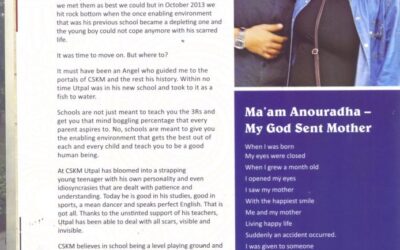
Today is Valentine’s day. A day to celebrate LOVE! A day to remember what love truly means by going beyond the pink hearts and red roses! A day to take a walk down memory lane and reminisce about all the love stories of our lives. I have been blessed with many, each one as beautiful as the other but the most unexpected one was close to my 50th birthday and when a little scalded bundle swathed in bandages walked into my heart and changed my life forever.
That is not all. Two days ago when I visited the school for the ‘dreaded’ PTM I was handed a copy of the school magazine where one whole page was dedicated to this very special love story. And tucked away in a box was a poem dedicated to me and written by that little bundle of joy now a strapping and handsome teenager!
Feels wonderful.
I have written volumes about this little soul, even a book.
Today I simply want to share the magic of keeping your heart open. You never know who will walk into your heart and stay there forever age no bar!
It happened to be when I was 50 and he was 1!
This is the love story of Utpal and his Maam’ji!
Happy Valentine’s day!
Love is really in the air!
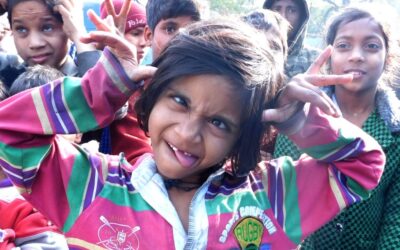
True beauty is reflected in the soul #GivingTuesday@India

Sometimes a single word can reveal how deeply our society needs to change.
Recently, I came across two very different references to the word “ugly”. The first was the story of a remarkable woman who had spent years carrying the pain and humiliation of being called “the ugliest woman on earth”. The second appeared in a Class XII Sociology textbook while explaining the reasons behind the practice of dowry.
The first story was about Lizzie Velasquez.
Born with a rare medical condition, Lizzie faced cruel judgement from strangers who reduced her entire existence to her appearance. A video labelling her “the ugliest woman on earth” went viral, causing unimaginable hurt. Yet Lizzie refused to allow the world to define her. Today, she is a motivational speaker whose courage, kindness and resilience inspire millions.
Lizzie’s life is a powerful reminder that true beauty is not something that can be measured by a face, a body or society’s changing standards. It comes from within—from the strength of our character, the compassion we show and the courage with which we face life’s challenges
The second reference to the word “ugly” was far more troubling.
It appeared in a Class XII Sociology textbook, in a chapter on social problems in India. While explaining the reasons behind the dowry system, the book stated that if a girl was “ugly and handicapped”, it became difficult for her to get married, and therefore her parents were forced to meet higher dowry demands.
What does one say to such words?
A sentence like this may appear to be merely an explanation of a social reality, but words written in a school textbook carry immense power. They are read by young minds that are still forming their understanding of themselves and the world around them.
Imagine a teenage girl reading this passage and wondering whether society considers her less valuable because she does not fit a certain idea of beauty. At an age when so many young people already struggle with confidence and self-esteem, such messages can leave deep scars.
The truth is that many young people already carry enormous pressure to look a certain way. The standards of beauty presented through television, films and social media are often impossible to achieve.
I have rarely met a young girl who feels completely comfortable with the way she looks. Even those who are considered beautiful by others often find faults in themselves. They feel they are too tall or too short, too dark or too fair, too thin or too heavy. They worry about their skin, their hair, their features. Slowly, their confidence begins to diminish.
For girls who already grow up hearing that their worth is connected to marriage and acceptance by others, such messages can be deeply damaging. They begin to measure themselves not by their kindness, intelligence or dreams, but by whether they match someone else’s definition of beauty.
This is why the words we use matter. Especially when those words appear in books meant for children.
Many questions remain.
Who decides what beauty means? Why do we continue to measure people by physical appearance rather than by the qualities that truly define them? And when children’s textbooks contain such messages, who is responsible for ensuring that they do not reinforce the very prejudices we should be challenging?
Education is meant to open minds, build confidence and help children recognise their own worth. It should never make a child feel lesser because of the way they look, the family they come from or the circumstances of their birth.
We need to teach our children a different understanding of beauty—one that celebrates kindness, courage, compassion and resilience. A beautiful face may attract attention, but a beautiful soul leaves a lasting impression.
It is time we understood this.
Smiles in custody #GivingTuesday#India
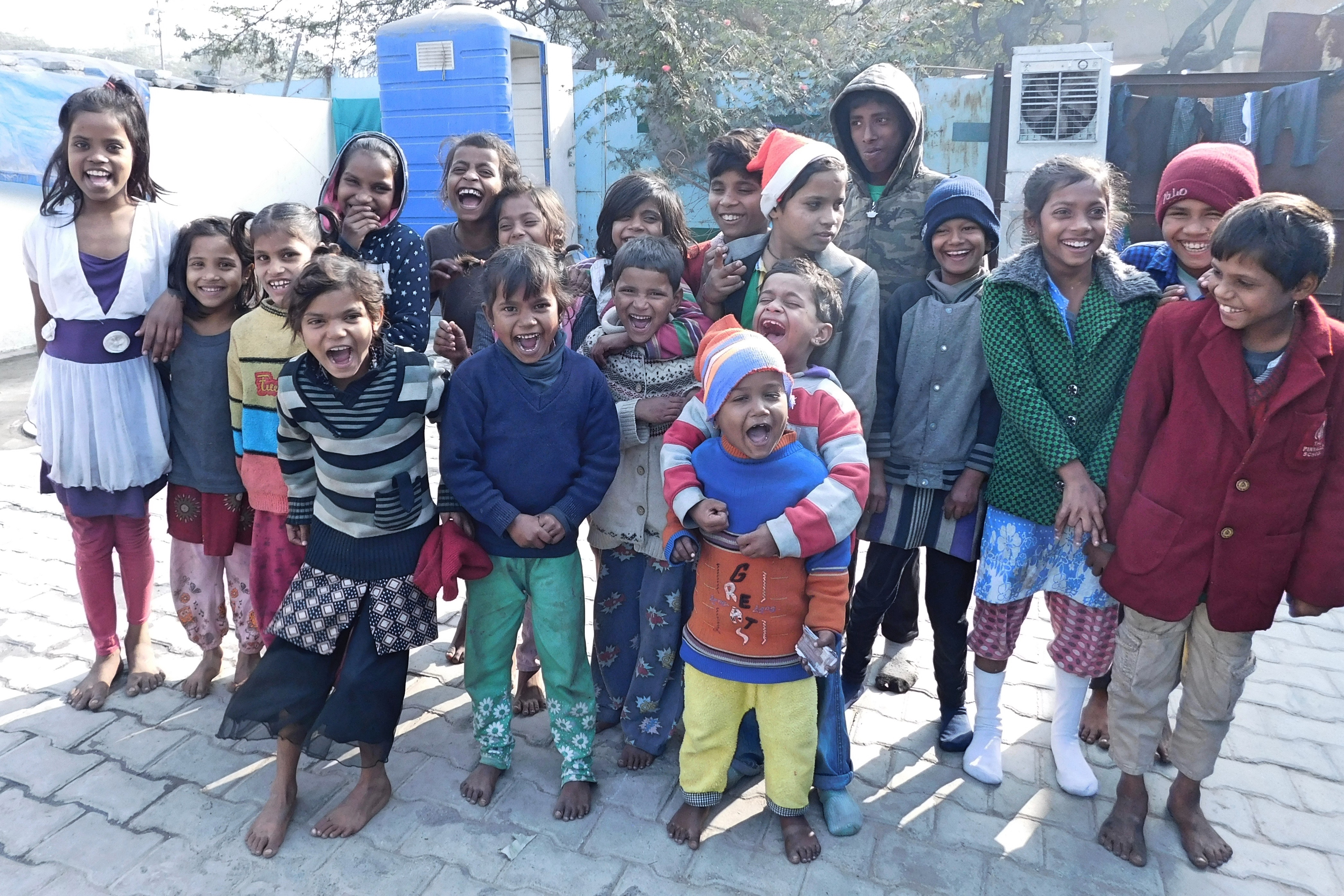
A little girl was crushed to death by a vehicle last week. She lived in a shack under the Nehru Place flyover. Her family is part of the posse of beggars that live there. It is a spot I pass often en route to Project WHY and have been interacting with such children for very long. The fear of such a tragedy happening was always there. She was just like my little beggar girl of yore years.
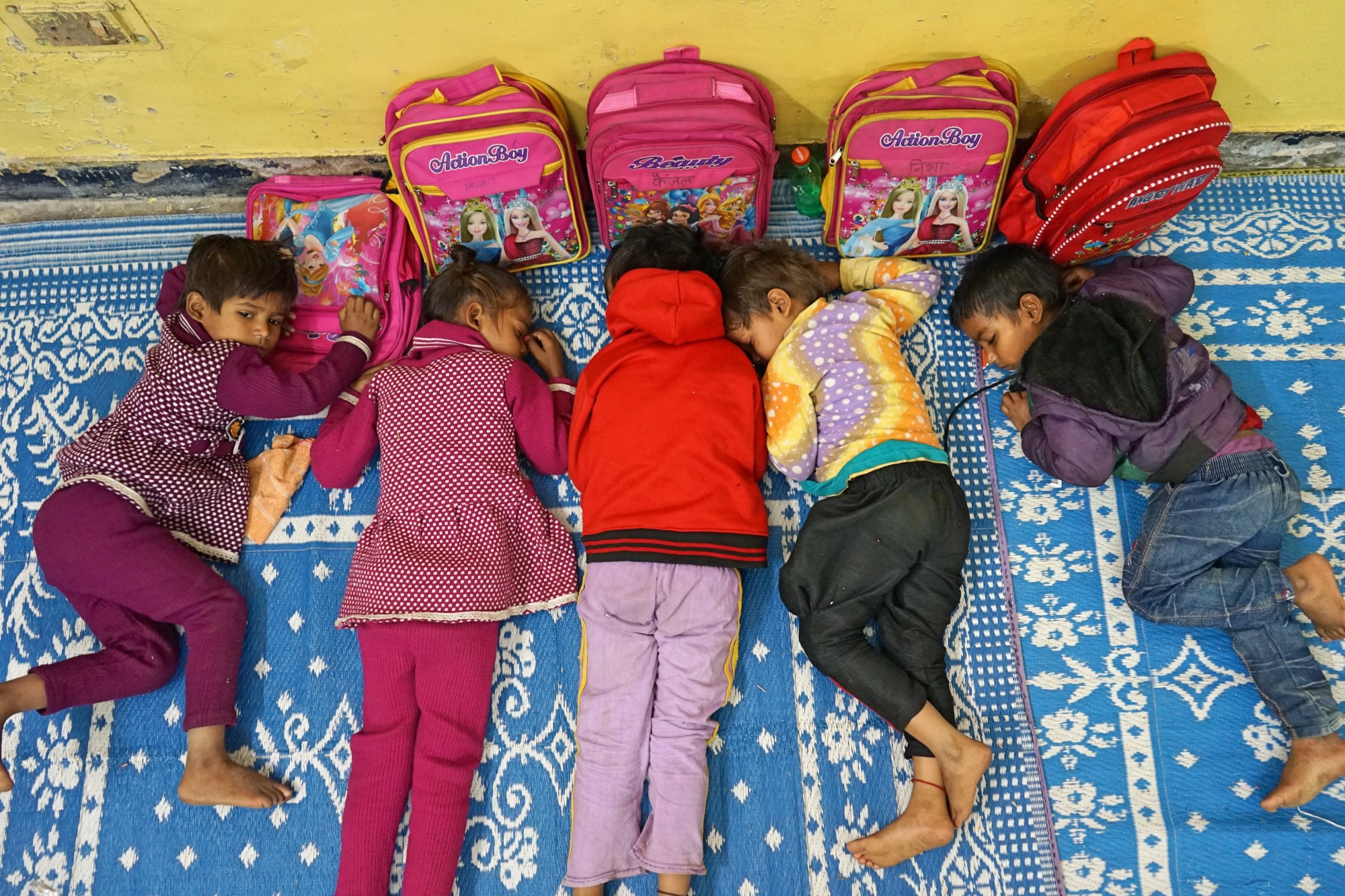
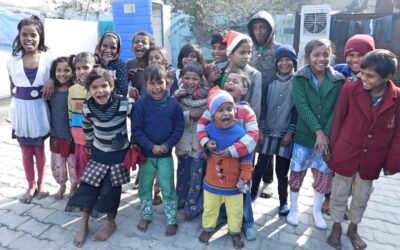
The plight of children begging has been the one deafening why that is still unanswered. The only source of comfort is the opening of our Kalka Temple project for children like the little girl who lost her life. The children you see in the picture are all children of beggars and would be roaming the streets and begging. Now they study for a few hours and some even go to school. They may escape the grim future that beckons them. We will definitely try our best to ensure that.
Once again the death of this child brings to the fore the plight of children who beg on the streets.
When you see the smiles on the little faces in the picture, you see children just like any other. Nothing differentiates them. They are full of mischief and giggles, like to play pranks, love games and deserve what every child does!
It is time we stood up and did something for them!
Empower them to say NO! #GivingTuesday#India
The recent incidents of sexual molestation in Bengaluru have once again brought to fore the reality of gender biaises and the stranglehold of patriarchal values in across society.
Molestation, rapes and all form of sexual abuse are a power game wherein the perpetrator cannot accept the victim deviating from accepted norms. True there are some aberrations that defy all explanations the most deafening being the rape of children and babies!
Sexual abuse of children in often committed by members or someone close to the family. These are the ones that go unreported as they touch upon the honour of the family and what is terrible the code of silence is often imposed not by a male, but a female member of the family.
Patriarchy decreed the daughter would be the repository of the family’s honour. Why not the son? The son can do no wrong; this is a notion prevalent across the board, a sentiment aptly defined in the words of a leading politician: boys will be boys.
Every time there is a rape or molestation case civil society wakes up and, post a few candle lit marches and fiery speeches, sinks back into silence. What is always sought is the hanging of the perp as if that act alone would solve all issues.
Experience has shown that this is not the case as rapes and abuse continue with impunity. Recently a tailor, father of five was arrested for having molested hundreds of girls!
We need to protect our children as boys too suffer abuse. The statistics on chid abuse are terrifying. One child abused is one too many!
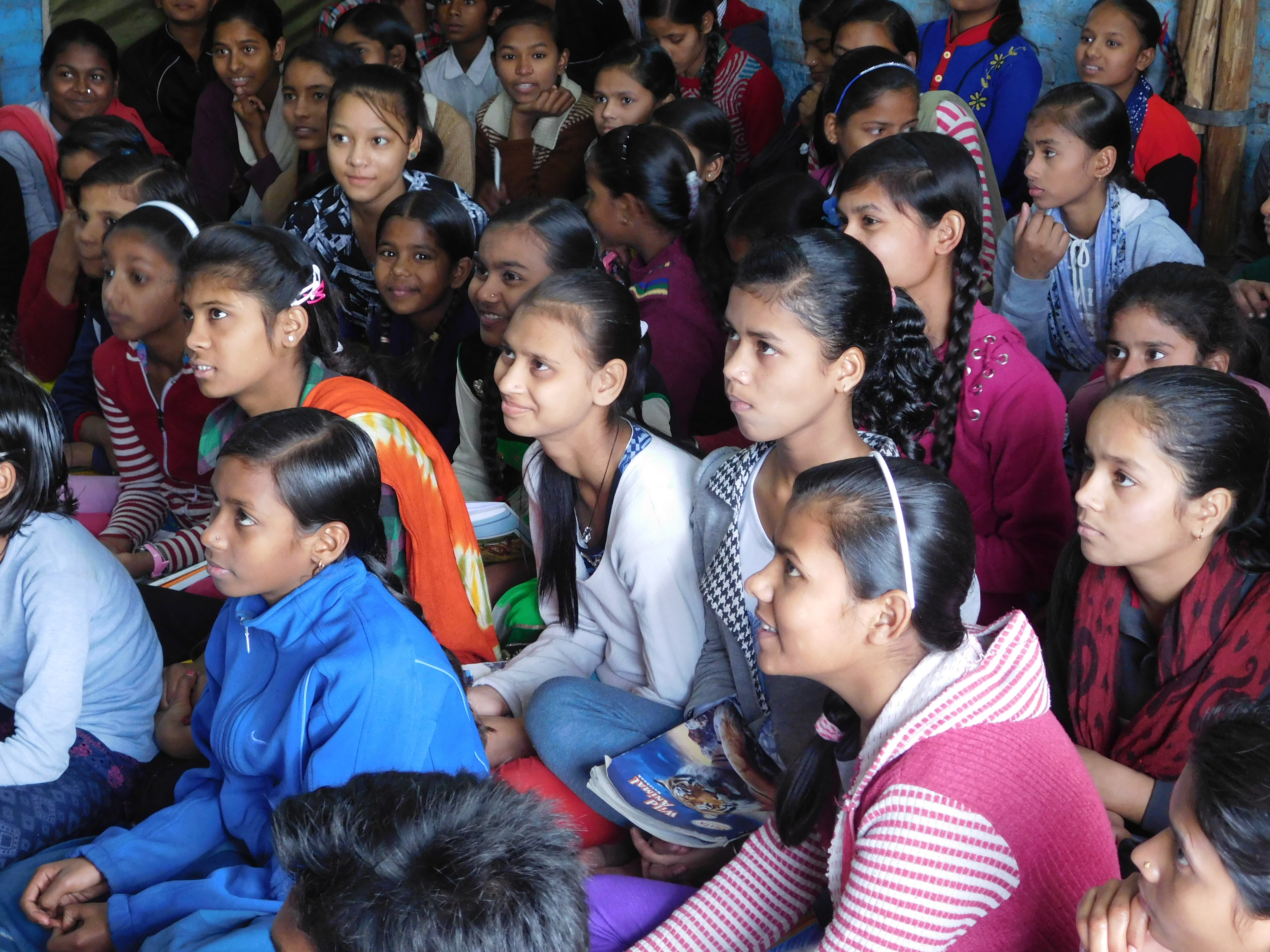
Long term solutions are not the need of the hour. Children cannot wait. What we are dealing with is age old mindsets that will not vanish overnight. Patriarchy is too deed rooted. The only immediate solution is to inform children about abuse and empower to say NO, a no so loud that it cannot be ignored. It all begins with the notion of ‘good’ touch and ‘bad’ touch.
This is something we do at Project WHY at an early age. Our effort is to also lend a patient and understanding year to every child.
Regular workshops for adolescent are conduced regularly in order to address all the questions that can never be asked within the four walls of a patriarchal home.
It is not easy to grow up in a slum. Though the family is uber traditional, the environment is quite different. Television has invaded the home and the ubiquitous smart phone had reached every hand each claiming its space, its supremacy. Think of the child, the adolescent, the teenager having to navigate in between these two!
We plan to have workshops on cyber crime soon.
We do our best to help children grow into responsible adults but above all we strive to give them a voice!
Zero-teacher, single-teacher… #GivingTuesday#India
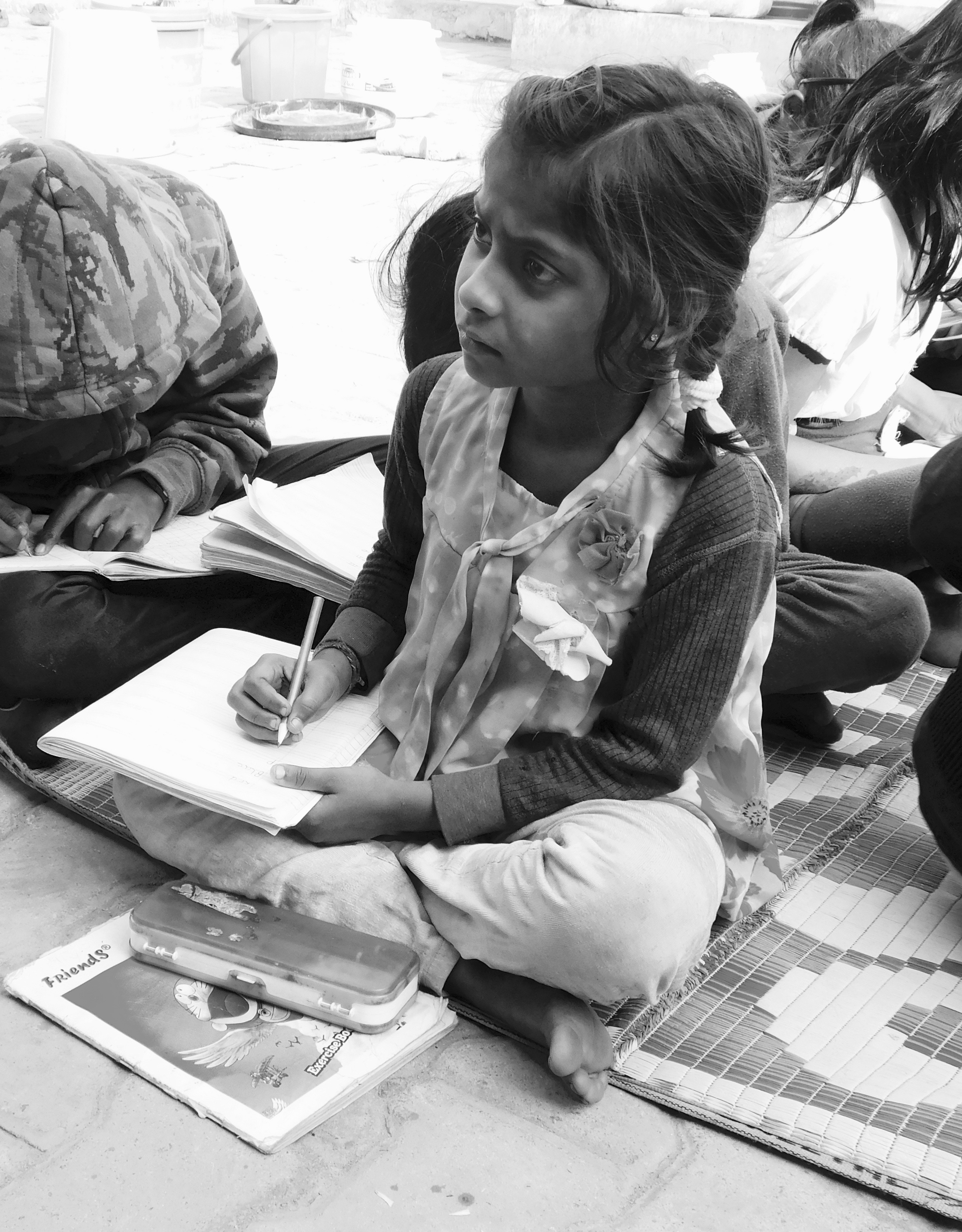
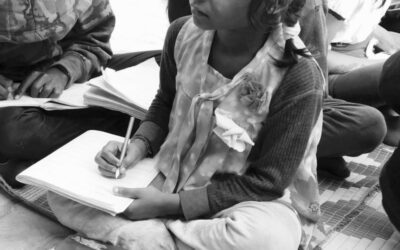
child from our Kalka Temple outreach
Whether born in a mansion or a slum, or even on the street, every child born in India has the Right to Quality Education, a right guaranteed by the Constitution. Sadly nothing is further from reality.
A recent article entitled ‘Lessons in Negligence‘ is a stark reminder of what is happening on the ground. The article is about education in Madhya Pradesh, but the reality is the same across the land.
The article introduces us to the zero-teacher and one-teacher school. A zero teacher school is a school that has NO qualified teacher and in this state there are 4,472 zero-teacher schools and 17,649 schools with just one teacher. The ‘guest teachers’ who are barely qualified run the zero-teacher schools. In the one-teacher option, a single teacher looks after 8 classes!
A school has a flat screen TV that has never been used! There is no electricity as bills have not been paid; sports equipment lies unused as there are no playgrounds. The article also mentions the existence of a locked school. The date on the board is 11/12/15. Seems nothing happened post that date: a school frozen in time. In such conditions it is not surprising that 40 per cent of students of class 2 cannot even identify the alphabet, while 65 per cent of students in class 5 cannot read textbooks meant for class 2.
This situation is not contained to Madhya Pradesh. Many Project WHY students came to us with similar problems but a little hand holding was all that was needed to make up for lost time.
Education is not centre stage. Children are rarely centre stage. One wonders why. And yet everyone knows that education alone can transform society for the better.
Children cannot wait. In no time, it is too late for them. This is one fact that we at Project WHY know and believe and that is why we have never shied away from any challenge. Whenever we come across children in need we answer the call and give it our best. That is how the Kalka Temple was set up. Today, over 35 children study there after school. Had we not done so, the likelihood of these children becoming beggars was far too real. As we go along, we will elaborate a road map for them based on their ability and needs.
Every child deserves the best; at Project WHY we strive to give her just that!
Let it be the year of the child #GivingTuesday#India
A New Year has dawned. Let it be the year where children are heard. Let it be a year when children find their voices. Let it be a year when each one of us walks that little extra step for a child in need.
Recently Nobel Laureate Kailash Satyarthi launched two initiatives: “Laureates and Leaders for Children” and “100 Million for 100 Million”. The later aims at bringing 100 million privileged children to fight for the rights of 100 million deprived children. A laudable effort that resonates with what we at Project WHY believe.
In our small way we initiated a similar effort bringing together Project WHY children and CSKM children in an effort to ignite compassion in young hearts. And we are proud to say that this happened and are eagerly looking forward to the bonds strengthening. We know they will.
Do the girls in the picture below look any different from each other and yet they belong to two entirely different worlds, or so some would like us to believe.

But this is a small step. We must not forget that in India children are trafficked and that child labour is rampant even in front of our eyes. So let us resolve not to remain mute and to do something!
Let 2017 be the year of the child!
The Boy Who Gave Me Back My life
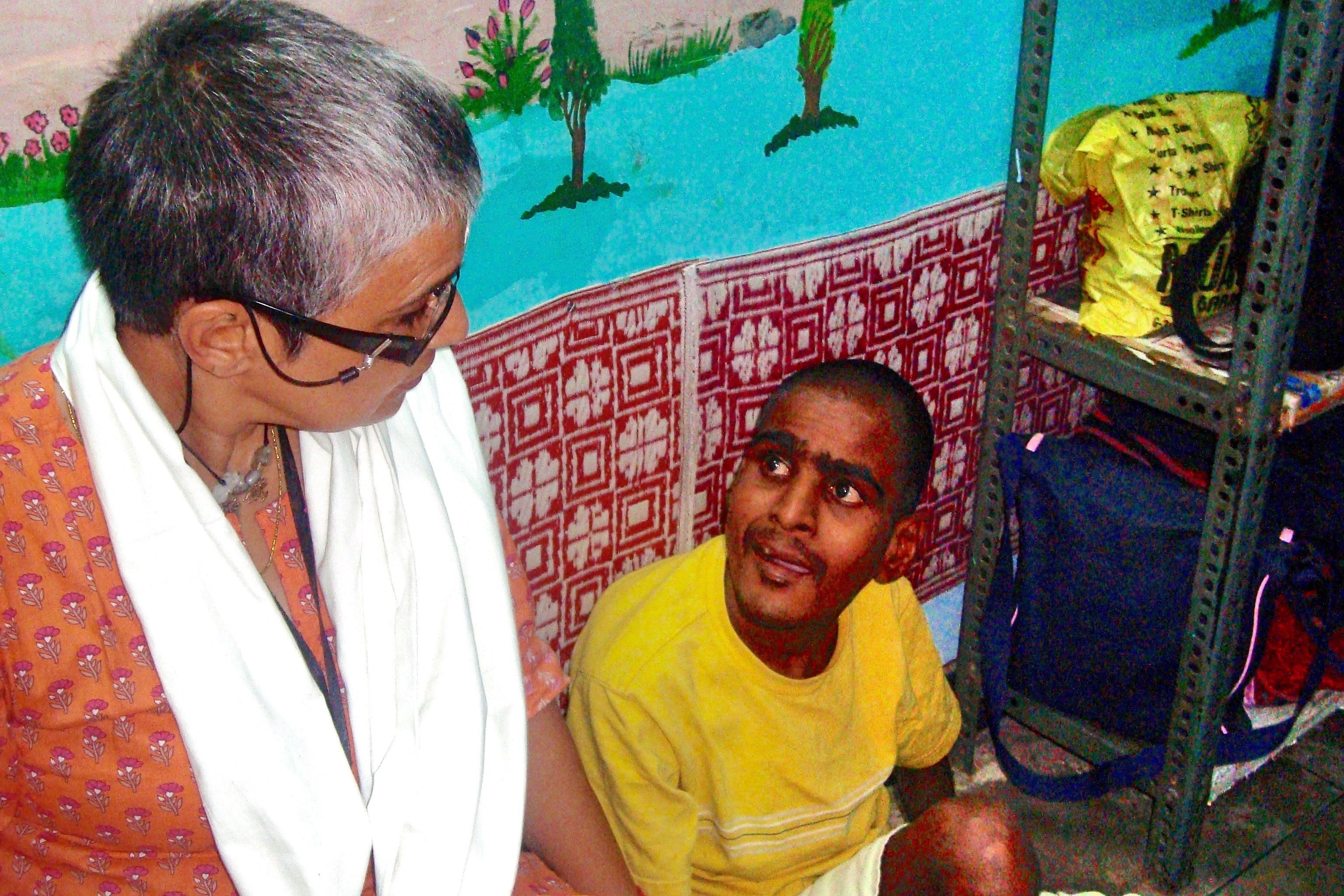
Every January, my thoughts go to Manu.
He left us on a cold January morning in 2011, and for a long time afterwards I felt lost and bewildered. I must admit that, on that fateful day, my feet faltered. I came close to giving up.
You see, Manu had been the one who showed me the way.
After the death of my parents, I had become rudderless. My heart had frozen and I no longer knew what I was meant to do with my life. It was Manu who gave me back not only the will to live, but also a reason to do something meaningful with that life—to honour the memory of those I had lost.
How does one define the relationship between a well-to-do woman, well past middle age, and a beggar?
It would take volumes to explain.
Or perhaps just one word will do:
Love.
Manu redefined the word for me and gave it a meaning I had never known before.
It was almost as if he had walked the same path, day after day, through Delhi’s scorching summers and bitter winters, simply to make sure that when I passed by, he would be there.
And when we met, it felt as if we had both finally reached our destination.
It was for Manu that Project Why was born.
He had been born in the same quaint Delhi street where he had spent his life. To most people, he was simply a broken, dishevelled and filthy beggar—a man to be ignored, avoided or driven away.
But I saw something else.
I saw a human being who had been abandoned by almost everyone.
And so, on a day in May 2000, Project Why was set up in the very street where Manu lived. The idea was simple: to care for him and to help the children who lived around him.
I had no roadmap. No instruction manual. No idea where the journey would take me.
I only knew that Manu needed help.
The rest, as they say, is history.
For the next decade, our lives were entwined.
Manu trusted me completely. In return, he taught me lessons I have carried with me ever since.
The most important was that no life is useless.
Had there been no Manu, there might have been no Project Why. And had there been no Project Why, the lives of thousands of children might have been very different.
Manu also taught me never to give up. No matter how dark things seem, there is always a glimmer of light if one is willing to keep walking—even when the road ahead is difficult and unfamiliar.
In my darkest moments, when the urge to throw my hands up was almost overwhelming, seeing Manu smile could lift the clouds. Somehow, the sun would shine again.
Manu was a gentle soul with a wonderfully quirky sense of humour.
We shared countless precious moments—dancing, laughing and eating together. Some of my happiest memories of him are of the simplest things: sitting together, sharing a meal, or laughing at something that only the two of us found funny.
Being with Manu was a blessing. There was an extraordinary feeling of peace and safety in his presence, as though, for those moments, everything in the world was exactly as it should be.
I do not know what saints look like.
But I think Manu may have been one.
A true child of God.
Project Why must continue.
Not simply because it began with Manu, but because every child whose life is touched by the Project carries something of the hope he gave me.
Manu showed me that no life is without value. He taught me that love can cross every boundary society creates between people. And he gave me the courage to begin a journey I could never have imagined.
He remains safe in my heart.
And, in a way, he remains at the heart of Project Why too.
Every January, I think of Manu.
And every day, I continue the journey he began.
.ue to honour is memory.
Manu remains safe in my heart.
2016 revisited #GivingTuesday#India
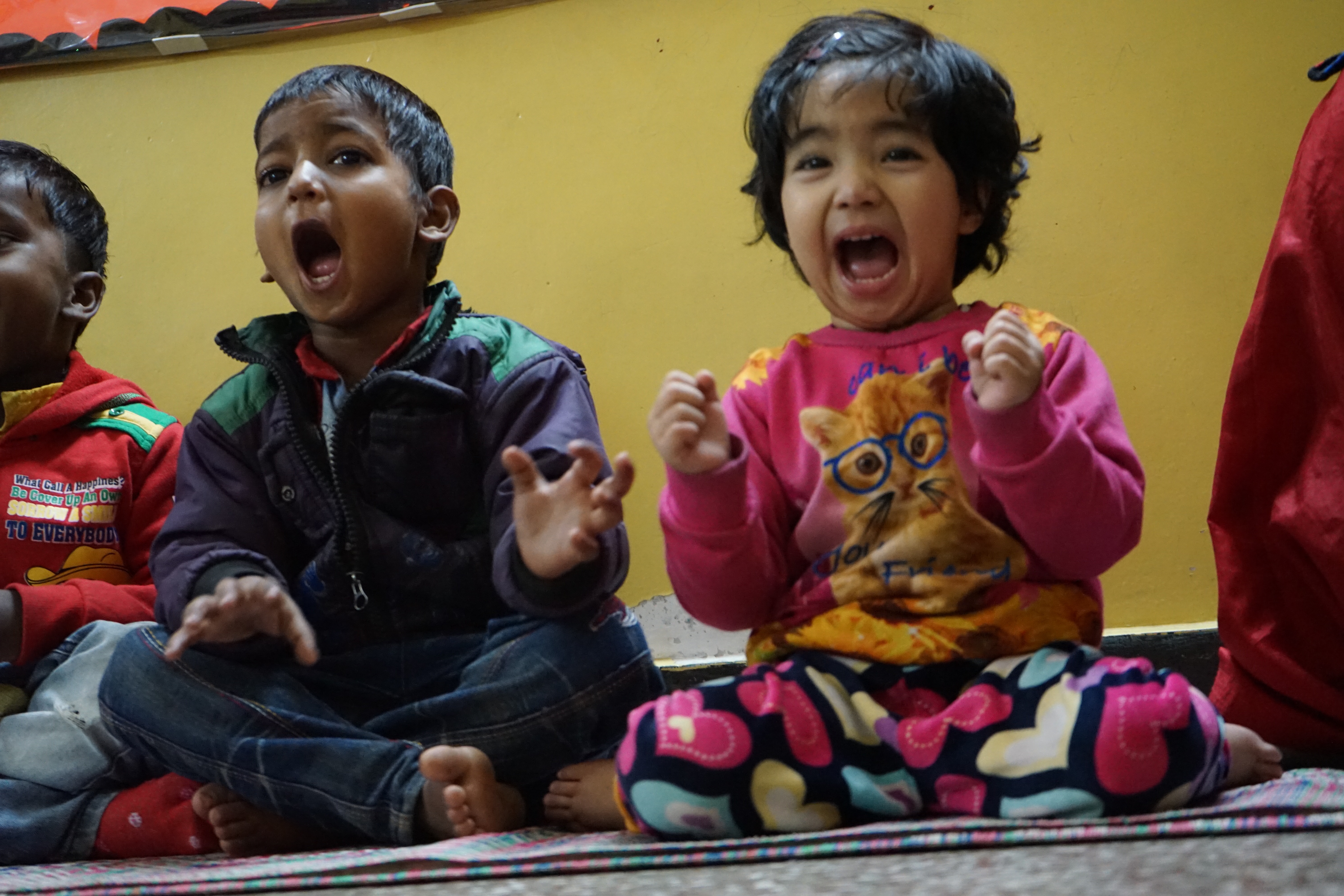
2016 has been the Year of Transformation for Project WHY!
It began quietly without fanfare and ended with a bang. The mood on day 1 of the year was bittersweet. Everything was on track and all centres were running like a clockwork orange. The children were happy and busy. New activities were numerous thanks to our volunteers and friends. Exams were prepared and passed with success. Holidays saw the return of the dance teacher to the children’s delight and the centres throbbed with loud music and thumping feet. Festivals were celebrated, the perfect opportunity to showcase the newly learnt steps. All in all ‘all was well’ at Project WHY.
Few would have guessed how shaky things were backstage. The coffres were empty and it is only the kindness and generosity of friends and well wishers that made the ship sail. We all knew that it could not go on forever and that something needed to be done.
It is our dearest friend Kabir who lay the foundation of Project WHY’s transformation when he introduced our work to the Savitri Waney Foundation. The rest is history.
The Savitri Foundation bailed us out but that was not all. It decided to extend support provided we took the first steps to the much needed transformation. So it was time to pull the proverbial socks on and get to work. Policies were finalised, data put in order and new processes drafted. Everyone was and still is up on their toes! The much needed coat of paint was finally on.
Amongst the many changes: Project WHY inducted some new board members and the help of a consultant who would assist in strengthening existing and building new resources. This is an going process.
Savitri extended one year support to our Okhla and Khader centres and this will allow us to have the time to broaden our donor base and thus move towards sustainability.
That was one side of the story.
The other one is in sync with the Project WHY spirit. In September we started a pilot project within our existing ressources. This little project reached out the very first children that Project Why had targeted way back in 1998: the beggar children. That programme had not worked out but almost 18 years later we were able to reach out the children of the beggars of Kalka temple with an afternoon programme. Life had come full circle.
About 30 school going (yes beggars do send their kids to school) learn every afternoon in the night shelter for women. Let us see how this enfolds.
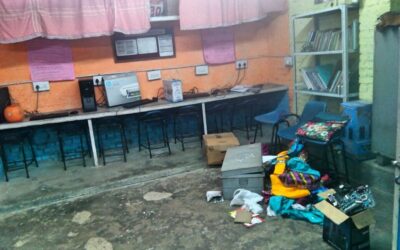
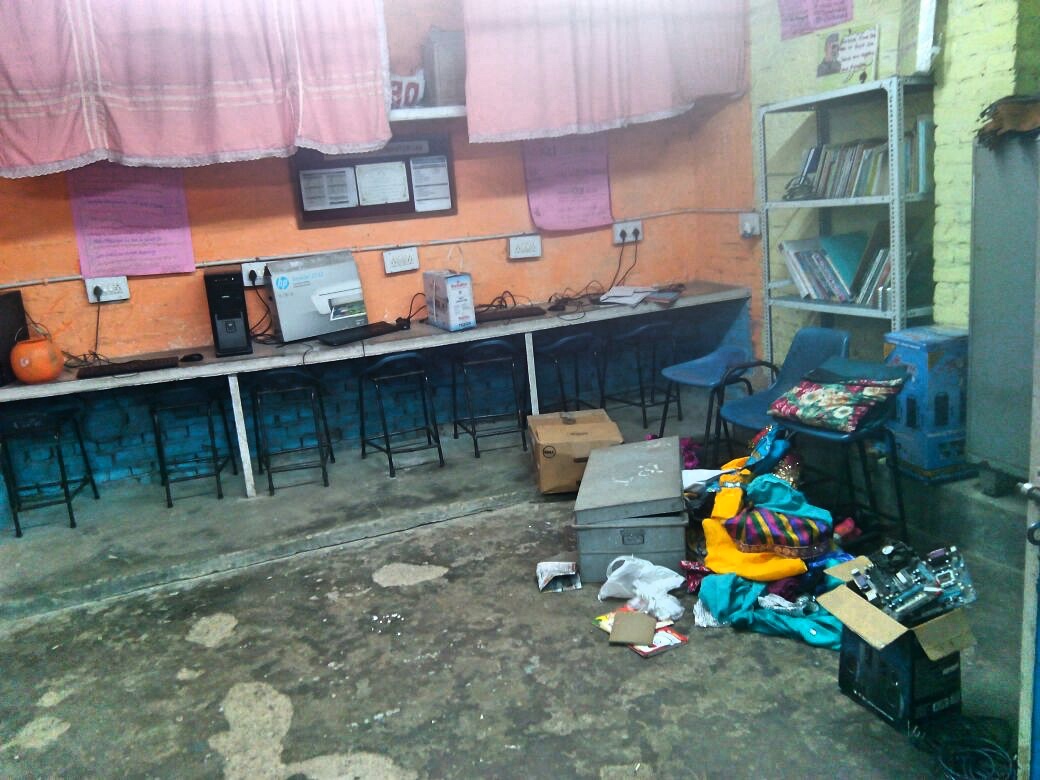
As said earlier the year ended with a bang and it would have been a bad one if not for what I call Project WHY’s miracles. Two weeks before the year ended, the terrible news of the theft of our computers at the Okhla centre, it was a huge blow indeed but a simple message was all it took to get all the computers replaced! Wow.
So what is the message?
It is simple: no matter what, do not stop believing in miracles!
Happy New Year.
A Xmas miracle
Angels do not have wings! Sometimes they appear in the form of a spunky 8 year old.
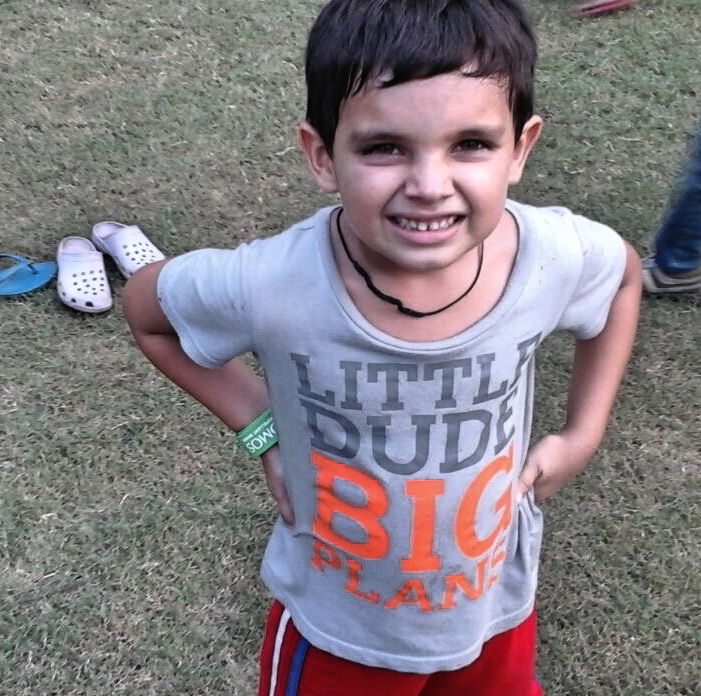
I was wondering what my Xmas message would be this year! How could I know that it would come to me in a sealed enveloppe.

The enveloppe contained a card

and a message!
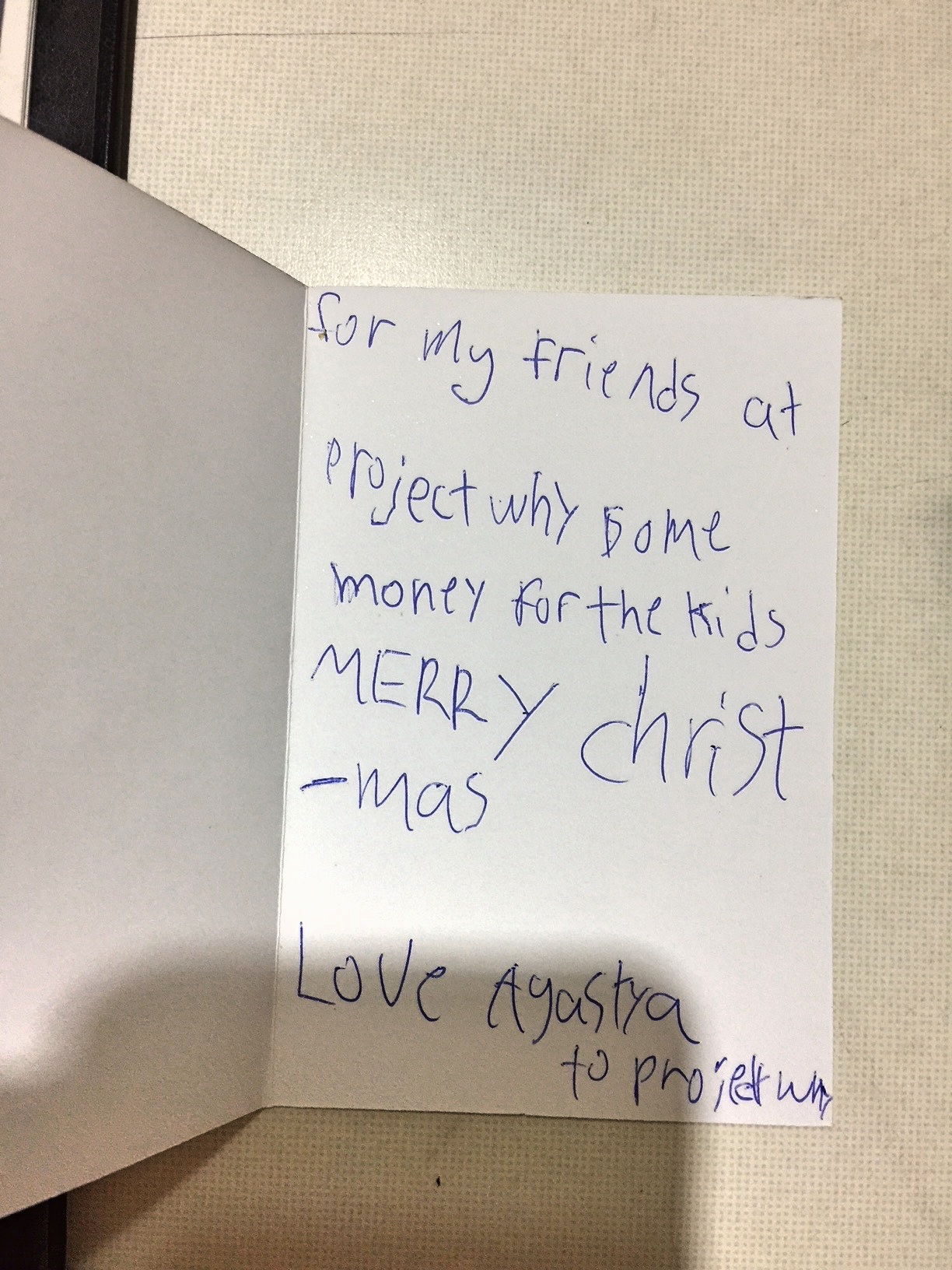
This was sent by my lovely grandson Agastya Noor for his friends in the Project WHY creche of which he is an alumni. The enveloppe also contained four 5 € bills, money he had got for Xmas. As his mom was coming to Delhi he decided to send it for his friends at Project WHY. he found card and enveloppe himself and wrote his message.
It was my Xmas miracle.
This tiny lad had proved that compassion knows no age and that seeing with your heart is a gift from God. Just like the Little Prince, Agastya learnt the secret of the Fox at a tender age.
But that is not quite the miracle I was referring to. For this this tiny enveloppe laced with so much love was the proof that my efforts to get children from all walks of life meet and learn from each other is no pipe dream but a reality that we must believe in.
At a time where Project WHY is seeking new forms of support, we have short listed ‘interaction with schools’ as one of our funding options. This is not so much for the coins and cheques that may come our way.
Education has to go beyond the confines of maths and english and other subjects, it has to break the bonds of marks and percentages. Education is about learning to live with others as expressed by Jacques Delors in his 4 Pillars of Education. In India, living with others entails first getting to know others by breaking invisible walls. Once they are broken then more miracles ensue. When Project WHY visited CSKM, it took no time for girls to bond and become friends. That one lived in a few square feet and the other in a big house did not matter. 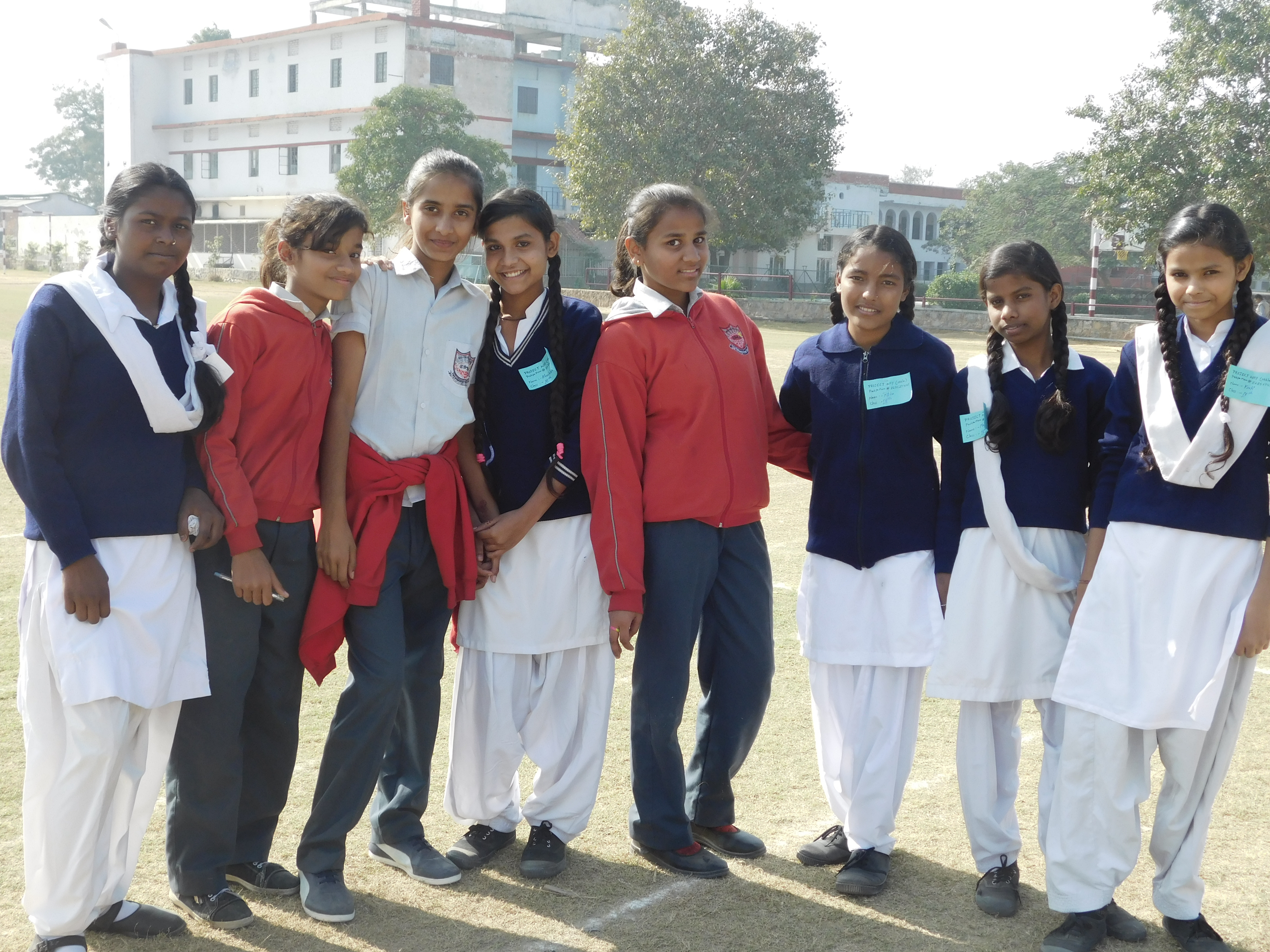
What mattered was sharing stories, exchanging numbers and holding hands. The question in everyone’s eyes was : when do we meet again!
That little enveloppe was the quiet reminder from a little Angel that Grandma was on the right path.
It is Xmas after all, Happy Holidays!
A blessed day #Giving Tuesday#India

Tuesday, November 29th 2016 was a blessed day. One had waited long years for this moment. One of the most cherished vision of Project WHY has been to have children from both side of the spectrum meet and learn from each other as Project WHY believes that it is only then that India will awaken. Project WHY has always supported the idea of a state run, state-0f-the-art neighbourhood school where children from all walks of life learn and grow together as school need to be a level playing ground.
Alas it looks like one will have to wait a long time for this to happen. Hence the next best option: invite children from privileged schools to come and see Project WHY.
This had been long in the making but finally it happened thanks to the inimitable Shaku Ma’am, Principal of CSKM school, a school with a huge heart and the right values.
The need for children of all walks of life to meet and bond is an integral part of any sound education programme. Schools cannot be hermetic bubbles but have to be a level playing ground.
None of us knew how the day would unfold.
This was not your ‘normal’ outing to a museum or an amusement park, this was a raw reality check. How would kids normally ‘shielded’ from the other side of the fence, react to the surroundings and the children.
The Project WHY kids were told that the visiting children were their guests and they were free to interact with them in whatever way the wanted. They had prepared games and were all set to welcome their friends.
It would be quasi impossible for us to guess how the CSKM kids felt when their bus found its way to our Okhla centre and there were a few awkward moments as the children stood at the door and no one knew what to do. But that was short lived and in no time at all the children broke all barriers and it was bonding time. Questions were asked and answered, the bubble gun was soon in action and one heard peals of laughter. Older kids went to play cricket, others played games. Some of the senior CSKM kids were seen in deep conversation with their Project WHY peers, conversation we dared no intrude in. We know that plans were made to ‘meet again’!
It was soon time to move on to the Yamuna Centre where lunch was waiting. The CSKM children served the Yamuna children and vice versa. It was a beautiful moment that will remain engraved in our hearts forever.
The children roamed in the vegetable fields and the Yamuna kids were very proud to show there new friends their vegetable patches and explain cropping patterns.
It was soon time to leave. One could feel the emotions and the myriads of questions in the eyes of the CSKM kids, questions that would ignite compassion and much more. This was a real social studies class.
As they walked back to the bus, they spotted sugar cane growing in a tiny patch next to a hut. They ran towards it. The lady who owned this patch came out and was seen cutting cane after cane and giving it to the children with a huge smile on her face. When we offered to pay she refused. You need not be rich to be generous, another lesson learnt.
Most of the children expressed their desire to do something for their new friends and next week, Project WHY children will go to visit CSKM and share lunch withe their new friends.
Seeds have been sown in young hearts.
It is now for us to water them and help them bloom.
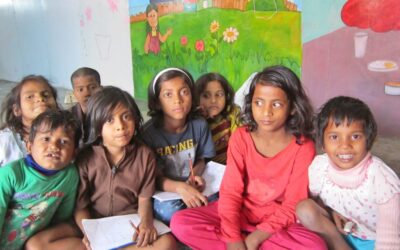
Tell me a story #GivingTuesday#India
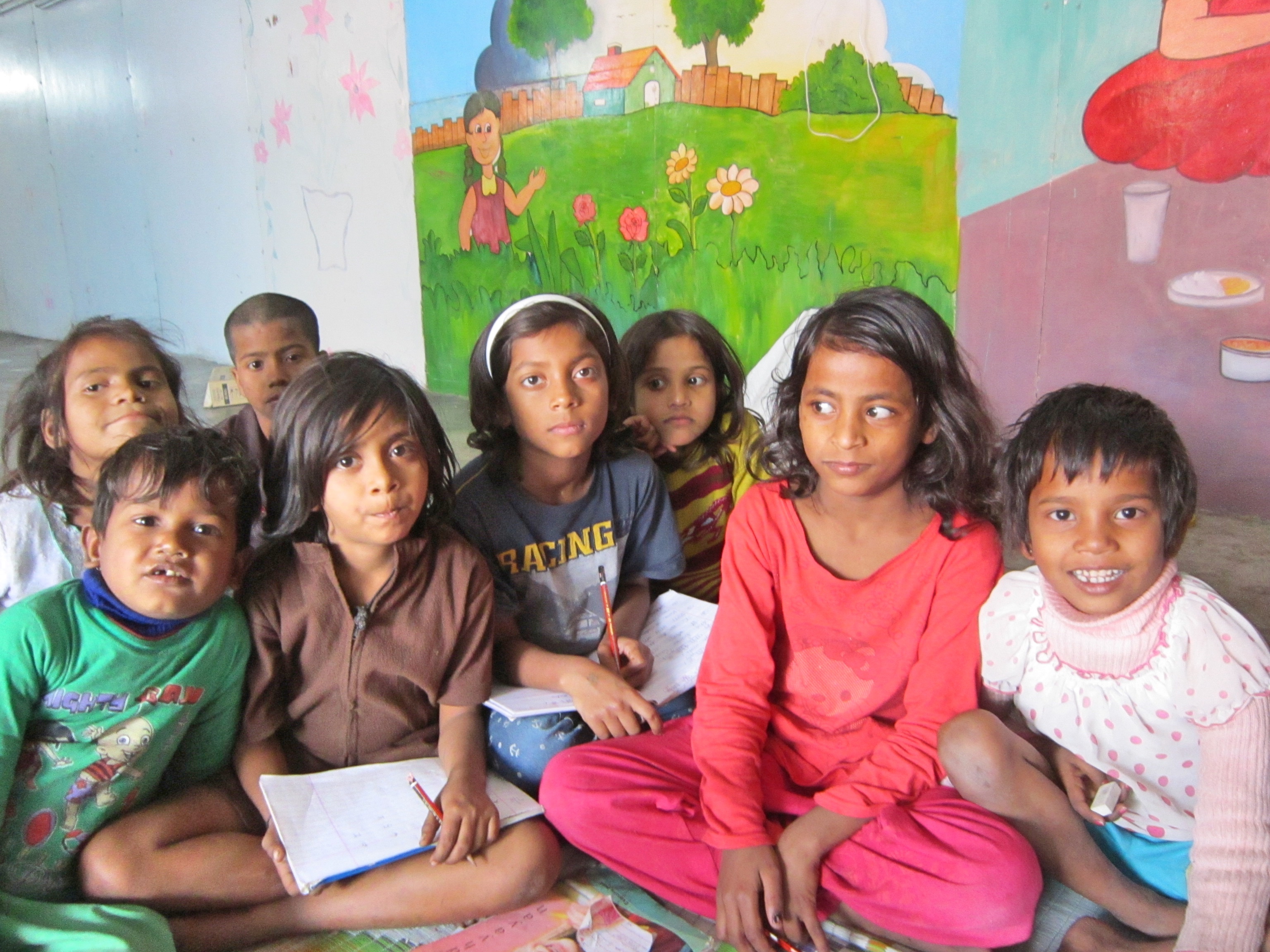
For those born before the advent of TV, the lessons best learnt were from stories told to us by parents or grandparents or discovered in books found in every child’s room and read with avid passion. The art of story telling is ancient and prevalent in all cultures. This art started dying slowly when ‘screens’ surreptitiously pushed books away. For some of us who were bookworms then and still are now, books are as essential as food if not more and the stories heard eons ago still fresh in our minds.
Some of us at Project WHY had been thinking of including story telling in the curriculum but never quite did so. It was a mail with a link to a blog entitled: Telling Truth, Why we teach storytelling to fifth graders and co-authored by Nina Sethi one of our dearest friends, that gave us the impetus to get going.
Nina and her colleague Gaby introduce us to their reinterpretation of story telling and what they share is amazing. They tell us how story telling has transformed their fifth graders. We have seen students grow closer to each other because they are impressed by classmates’ stories of risk-taking and reaching out. We have seen students grow closer to family members because they have had to think through their roles in those relationships.
We have always held that one of Project WHY’s main role is to give children a voice and what better way than story telling. And we will not limit it to one grade but extend it to both primary and secondary children. We hope it will help them bring out all those the things that have remained hidden and even festered; that it will bring them closer to their mates and teachers; that it will build their confidence and also improve their oral skills. A real win-win situation.
Just like for Nina and Gabby, we hope this will be great learning experience for all of us.
We have a voice; it is for us to use it and make it heard!
Everything is going to be all right. Miracles happen everyday. #GivingTuesday#India
 Everything is going to be all right. Miracles happen everyday wrote Adrienne Posey. I second that unequivocally! In the past 16 years of running Project WHY, I have seen them happen and lost count.
Another one was conjured in the past 48 hours.
I was woken up on Sunday morning by a phone call informing me of the theft of most of our computers, printers etc at the Okhla Centre. It came as a shock!
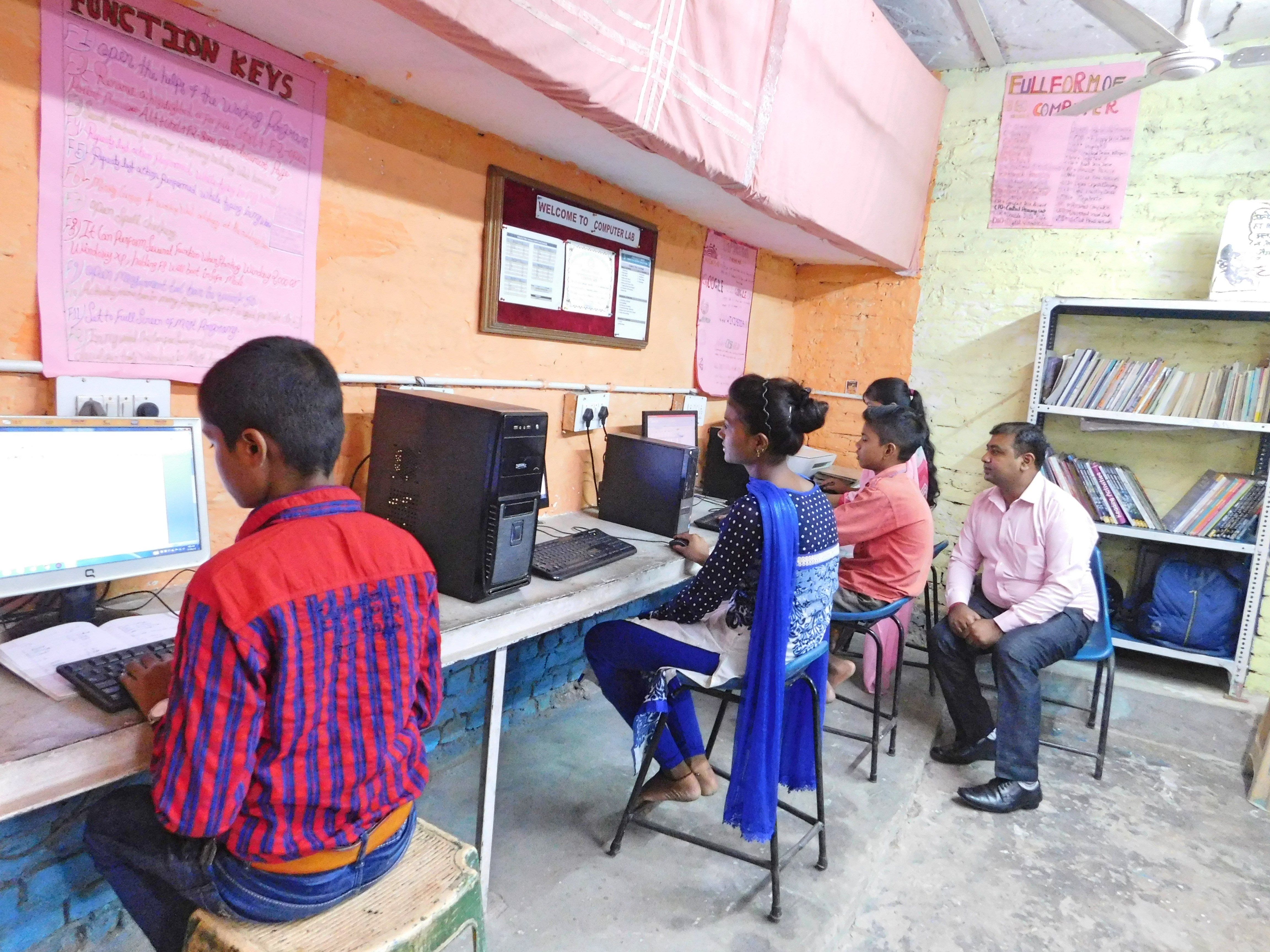
After making sure that all were informed, I sat down quietly to try and find out what lesson was this theft teaching me. For more than 14 years Okhla has been safe and protected by the community. Perhaps the lesson was that we had become too complacent. Who knows. But then why steal something that would hurt innocent children and their future. Somehow it did not seem right. I sat to meditate and was guided to share the incident on a healing group I belong to.
A few minutes later I hear the whoosh of my phone indicating a new message. It simply says: how much is the loss? Someone had money and had been wondering where to donate it and not getting any guidance. The money was simply waiting for us.
The bottom line is that ALL that was lost will be replaced and the children would have lost a couple of days only.
If this is not a miracle, then what is!
And it does not end there; thanks to this incident more doors have opened for Project WHY, doors that we did not know how to ope not having the right ‘introduction’. Our thief gave it us. No wonder I am grateful to him.
God or the Universe works in ways that we often do not comprehend. If Utpal had not suffered terrible burns would he be in a boarding school today? The list of Project WHY miracles is endless.
Over the years I have moved from awe to gratitude and now to complete surrender.
The lessons to be learnt are that we need to keep on believing that Good exists even if everything points to the contrary and that the Universe will provide for us if we keep our hearts open. Miracles cannot be explained by reason or logic. They belong to another realm. Someone mentioned the good will we hd gained over the years, but then the person who reached out was unknown to me till July 2016 and has never seen Project WHY!
I know everyone will want to analyse the whys and the who and play the game by the rules: the cops, the investigation, the endless to and fro to the police station. It needs to be done even if we are unlikely to find the stolen goods. That is the game of life.
I will simply thank the Universe for all lessons learnt.
Back for the day#GivingTuesday#India

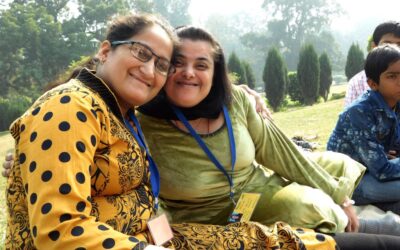
It was lovely to have Shalini back for a ‘day’ to join the Project WHY annual picnic that she has never missed for the past decade. This year she almost did as for the past months brave Shalini has been nursing her ailing mother. The often difficult stubborn special ‘child’ became the rock her family could lean on when the need arose. Her mom who passed away a few days after this picture was taken, had been bedridden for many months and needed to be cared for and the only one at hand was our Shalini. The father is very old and in poor health and her brother and sister-in-law work to ensure that needs are met leaving behind two young children to be taken care of.
Shalini did everything needed from washing clothes, to caring to her mother’s needs to looking after the kids. The once spoilt one was now the one to depend on. And she did it all with a smile.
When, a few days before the picnic, her teachers went to her home to request that she be allowed to join her friends, she was a very proud mom’s little helper and had to tell them everything she did. Needless to say her teachers well super appreciative. Her father was kind enough to allow her to come and she spent quality time with her best friend Geetu. The smiles in the picture say it all.
We never knew things would change so soon as now with her mom gone, the possibility of her becoming the ‘house help’ forever looms large. Another deafening WHY!
That is the plight of many children with special needs after the demise of their parents, more so if they are highly functional like our darling S. No one really pays any heed to their wants and aspirations. It is to address this very need that we had wanted to have a residential home for our children with special needs to give them a safe haven for life.
We will have to tread with care in our ‘mission’ to get Shalu back. We will have to negotiate and will use every trick in the book to do so. Our aim is to have her come at least for a few hours every day so that she can laugh and dance to her heart’s content.
Wish us luck!
The spirit behind Project WHY #GivingTuesday#India
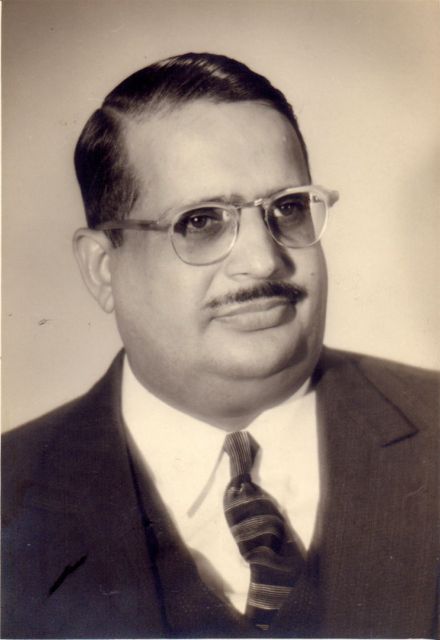
Ramchundur Goburdhun 15 August 1911- 29 November 1992
Most know us as Project WHY only. A few know that our legal identity is the Sri Ram Goburdhun Charitable Trust. And not many know who Ram was and yet if not for he, there might not have been Project WHY.
Ram or Ramchundur Goburdhun is my father.
He wore many caps through his life each with great aplomb and in his own inimitable way. As a student in his native island where the portly man I know was the mile champion of his island and admired by many young ladies! As a law student in London where passionate speeches at Hyde Park Corner would bring the needed coins to end the month. As a lawyer and then Magistrate back home where the trodden path may have led to a political career. As a perfect gentleman who courted his wife to be at times when courting was not quite known in a just freed India. As a career diplomat where his honesty, integrity, savoir faire and endearing personality were huge assets. But it is none of these that were the seeds of Project WHY. It is Ram the father who planted that seed and carefully watered it till his last breath.
If one was to look at my growing up years, they seem out of a dream: beautiful homes, governesses, criss crossing the world and the best of everything. Ram was aware of this and was careful to place the little notes needed to build a person. He always sent me to local schools where he knew I would rub shoulders with real people and learn to respect and love them. He with the help of my mama laid some unwritten rules that were needed to teach their only child true values. Toys were only bought at Xmas. The new dress was a birthday gift. Wasting food was a no no! But the one lesson that remains engrained is the Diwali blessing. After the prayers were over, Ram would tell me to go and touch the feet of everyone in the house who was older to me. That meant everyone including the staff that worked in our home. What is remarkable is that I never questioned this or resented it and that is because of the simple answer to my first why was: because they are older and will bless you.
Ram taught be compassion but he also taught me to respect every human being irrespective of their caste, creed, social background. With mama’s help he showed me how religion is one and all religions need to be respected. Again it was a well thought lesson plan based on my questions: can I fast with my Muslim friend, go to church, share a Sabbath dinner. The answer was always ‘yes’ with a small caveat: provided it does not hurt the other.
I could write volumes but that is not the point. Today I simply want to express my profound gratitude and unconditional love to the man who made me who I am.
The Sri Ram Goburdhun Charitable Trust was set up to honour his memory and to tell him that every lesson learnt at his knee had been well learnt. And most of all the last one murmured on his deathbed: have faith in India.
I miss him every minute of my life though I see him in every Project WHY child.
Let us burn schools down #GivingTuesday#India
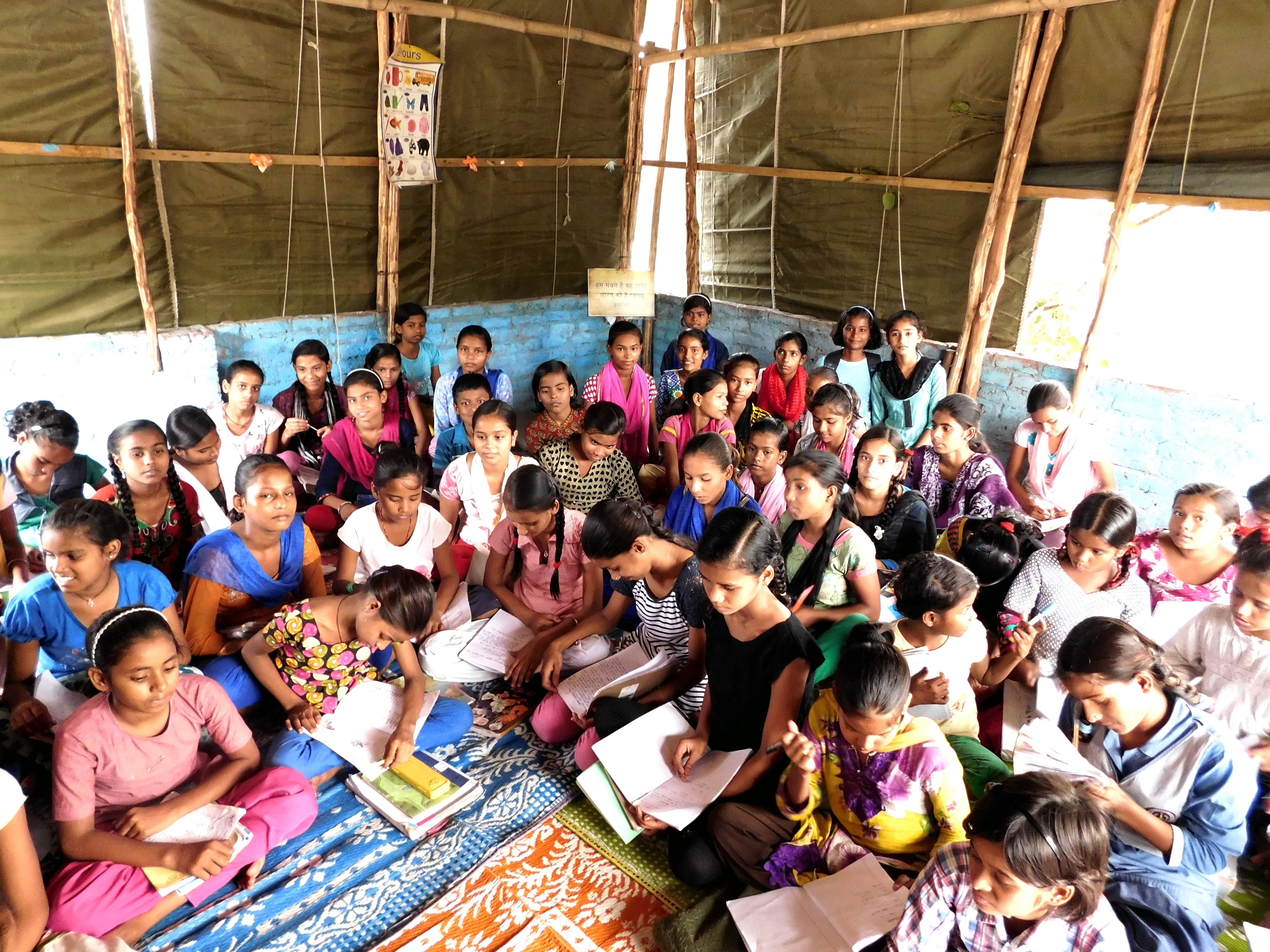 The burning of schools in Kashmir vindicates the belief that education is the most powerful agent of change. Destroying a school destroys the future of children forever. Education is a powerful tool. The question lies in the way you use it.
In the early years of Project Why we were faced with a certain amount of resentment that was even aggressive at times. This bewildered us as in our book education was something everyone should encourage and cherish. But that was not the case with us.
We were ‘evicted’ from the corner of a park by local residents and politicians. It was a clever ploy. We were told that we would be ‘give’ another park and marched to one that was a pig stye, as a local resident reared his pigs in it. The once children park was a stinking rubbish dump. Our detractors must have expected outrage and protest but all they got was a warm Thank You! They had not yet tasted the spirit of Project WHY. If this is what we got, so be it! We would work our magic. A series of negotiations with the owner of the pigs who was known for his muscle flexing and the help of a few friends, not only was the park divided between the hogs and us, we transformed the park into a lovely space. It had a huge yellow tented roof and plants all around.
The truce lasted a year. The next attack was bulldozers. It transpired that the park was now needed to ‘build’ a community centre. We moved lock stock and barrel to the roadside. But classes never stopped. The game continued for a while and then petered down.
It took us a while to understand the reason for such vehement resentment and then the penny dropped. Education was acceptable if it followed the norms, these being teachers from one side of the divide and students from the other. But that was not the Project WHY model, for us teachers and kids came from the same source. That meant social transformation and that was not acceptable. We were changing minds, teaching children to think for themselves, urging them to ask questions and giving them a voice. In short we were empowering a community and that could be dangerous.
Everything in the book was thrown at us from threats to spreading false rumours but we did not budge. We simply wore them down. Education came out the winner and so it will remain
The bucket baby #India
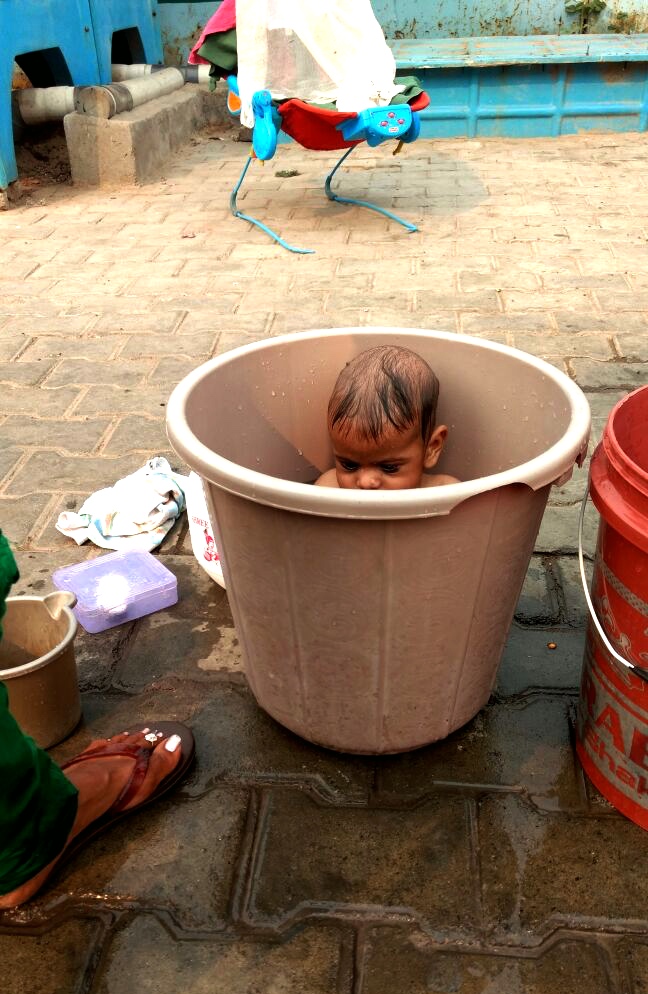
India celebrates Children’s Day today. There will be celebrations across the land. But for some, like the little fellow in the picture we now fondly call the ‘bucket baby’ it will be a day like any other.
This little fellow was born around the time Project WHY launched its pilot project for the Kalka Temple beggars’ kids. It was and is our strongest belief that education and EDUCATION only can help these kids break the shackles they are born with. The reason we began this project was because some parents had already realised the power of education and were sending their kids to school. We knew that the school alone would not make any difference. What was needed was a sprinkle of the Project WHY magic.
Today around 30 children come to the women’s night shelter in the afternoon where we run a class.
Sharing space with a handful of beggar women, often women abandoned by their families, is a rewarding experience that has not only shattered many misconceptions but compelled us to look at a world we once shunned with new eyes and newfound respect.
Today being children’s day, we share a little story that we hope will bring a smile to your face.
The women’ shelter is a large high roofed room where a handful of women live. It is often the space pregnant women come to to deliver their babies. We have seen four deliveries in the last 3 months. The shelter has rules like no beds or furniture etc and though there is water and even a clean bathroom, there is no way to heat water as no cooking is allowed hence no stove!
Beggar mommies are proud mommies who just like all mommies want the best for their babies and want to keep baby clean. So baths are a must. So they have found a solution. Water is poured into a bucket and then the bucket is kept in the sun, if sun there is. When mummy feels that the water is warm enough then baby is dunked in and washed with soap then quickly taken out and wrapped in a towel and hugged tight. What you see in the picture is baby’s bath time!
Happy children’s day!
The PT exam question #GivingTuesday#India
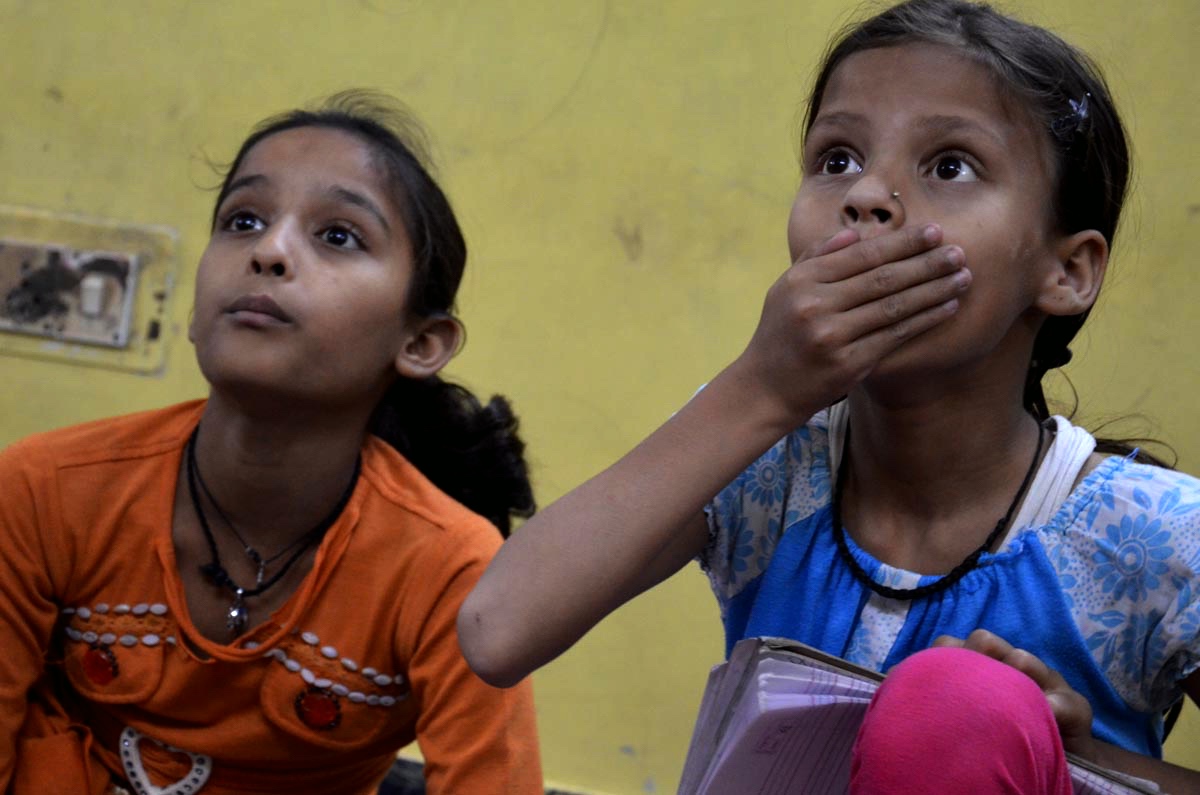
project why
PT as we all know or at least presume stands Physical Training and is a high school ‘subject’ in India. It would be reasonable to again presume that it means playing games, training for individual and team sports etc. Not quite so in the Chacha Nehru Hindi High School, Bhiwandi. There you also have written exams! In the annual exam for class IX this year, the students were gobsmacked when the came across one the questions: Who is Virat Kohli’s girlfriend? For the uninitiated he is India’s Cricket team Captain. This was a multiple choice question and three known actresses were the choices given.
Does one laugh or cry?
This was a question out the prescribed syllabus. If one peruses the NCERT syllabus for the said subject, one learns that its aim is to : provide the required theoretical and practical inputs in order to provide an integrated
and holistic understanding and developing positive attitudes, values, skills and behaviour related to health and physical education at the primary, secondary and senior secondary levels.
A somewhat obscure definition but still one wonders how the knowledge of who is the current love interest of a cricket star does not meet the guidelines in any which way.
So one wonders why the question was included by the teacher who set the paper. Was is just for fun and popularity to be the ‘cool’ teacher? But what about those who have no interest in cricket and even less in the love life of the players. The question are endless but none seems to be satisfactory and acceptable. Parents are worried that their kids may have not known the answer as it was ‘out of syllabus’?
It is true that cricket is a passion and that many young people are totally aware of facts and trivia but not everyone. In a country were education is primarily by rote, even the brightest student may not have known the answer.
But it does not end there. Many deeper questions come to mind. The first one is about the seriousness and competence of the teacher. If one were to play the Devil’s Advocate one could say that the teacher was trying to test the student’s interest in other matters: did s/he read the newspaper, watch the news etc. But this does no stand ground as everyone knows that in the present system even half a point can make the difference between college or no college and hence you do not play around with the syllabus in an exam question paper.
This is indeed a very small matter but it does once again shed light on the critical importance of the need of an complete overhaul of our education and marking system, so that children can be freed from the stranglehold of impossible marks.
Project Why is very conscious of this anomaly and strives to take education outside books and walls.
Another form of gender bias #GivingTuesday#India
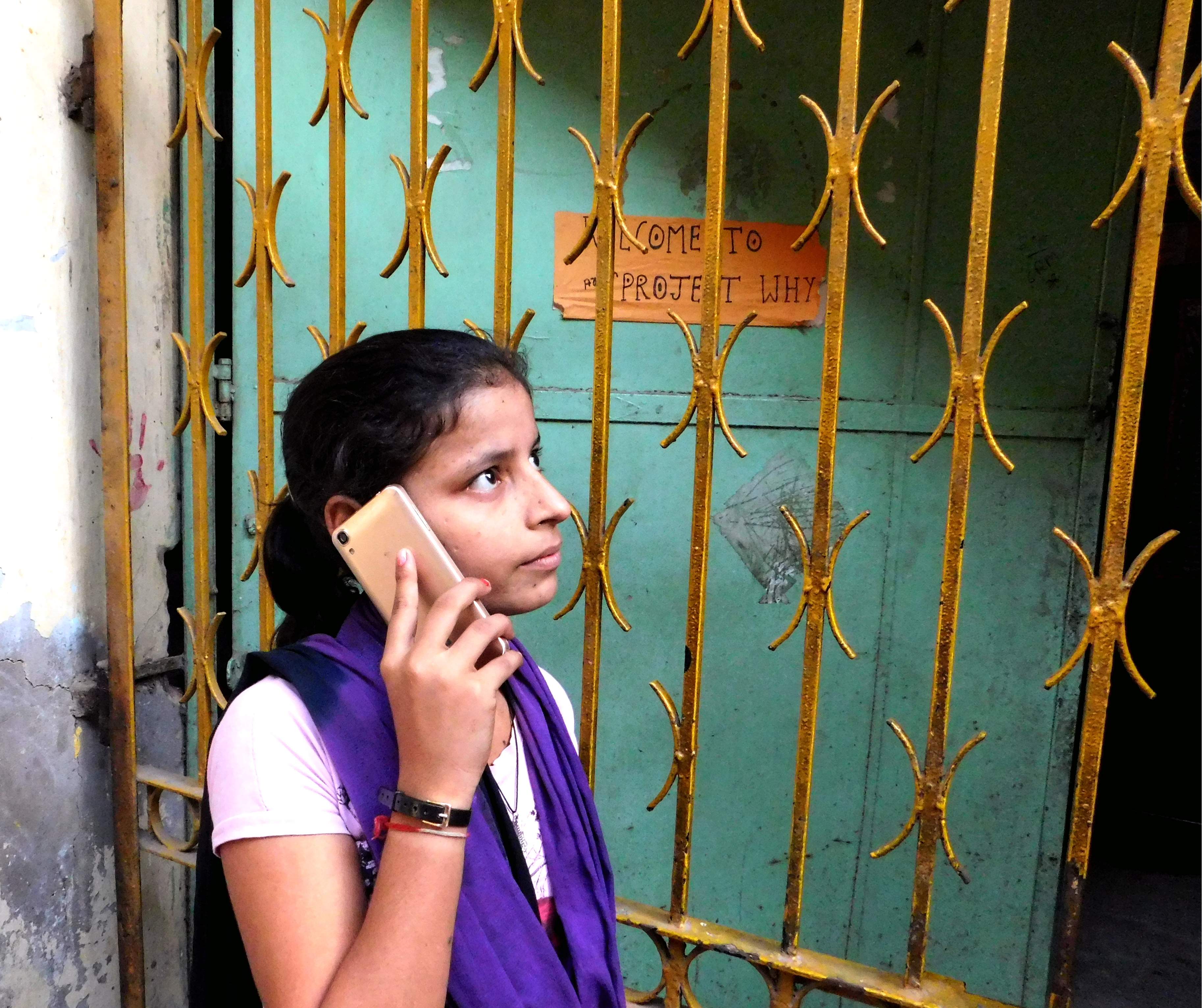 An interesting article appeared in the Wall Street Journal recently. It is entitled: Why the Vast Majority of Women in India Will Never Own a Smartphone. The emerging new middle class will purchase all sorts of things ranging from washing machines to even air conditioners but would not buy a smart phoneA for their daughters. The fear is a love marriage, something unacceptable to many families. Patriarchy supersedes technology.
Statistics are glaring: 114 million more men own cellphones than women. Once again women are denied the benefit of one of the greatest technological leap of our times. Smartphones are not just love machines; they have become an essential tool in our day and age and more than that are a great social leveller. They can help learn, increase skills, communicate better and above all increase their safety when they are out of the homes. But the fear is so deep seated that in rural areas village councils bar unmarried girls from possessing a cellphone.
The whole matter lies on the skewed view of placing the family’s honour on the tender shoulders of the girl child. An aberration!
Even those meant to protect us are quick to blame the woman for crimes like rape and even the ubiquitous cellphone as was the case a few years ago. when a police officer said: western culture, mobile phones and lack of entertainment as reasons for rape. Still trying to decipher the meaning of these words.
The question that begs to be asked is why is no one willing to address the cause and take measures to eradicate it. The bandaid solutions that are too often proffered are always steeped in gender bias. It takes two to tango, but in these cases only one is reprimanded.
From the day she is born, the girl child is treated differently at every step. She has one reason to celebrate at least she is not one that was killed in the womb as is sometimes the case. From the day she is born her life is decided by the men of the families she will ‘belong’ to: father, brother, husband and in her twilight years son and so are her choices.
Today it is the smartphone. God knows what it will be tomorrow.
In 2005 a letter was written to a girl who died in the in the womb. It ended wit these words:
Who are you: a statistic in the records of the hospital, a pain in the heart of many that will slowly fade away, a regret, a topic of discussions with its share of ‘ifs’ and ‘buts’… I do not know..
To me you are the little girl who refused to be born in a world that she felt was not worthy of her… a child who took her one and only independent decision..
And we abide by it…

The seven vegetable pizza #GivingTuesday#India

Way back in December 2007 we celebrated Xmas at the women centre. One of our resident at the women shelter was Christian and she told us about the cakes her mom made and we ordered many for the party. Sophie one of our volunteers wanted a full scale celebration so there was a Xmas tree and all other decorations as well as pictures of Santa and gifts of course.
The children however were not Christians but mostly Muslims with a scattering of Hindus and it was left to me to make the link that would make sense to the kids. The kids got it as they always do: treats! Ladoos on Hindu days, vermicelli pudding on Muslim day and cakes at Xmas. As simple as that.
Festivals are about food.
Recently I was shown another side of the religious food story courtesy a wonderful volunteer of Indian origin who has always lived away from this land but whose family has followed traditions by simply adapting them. In their community you eat seven vegetables on Diwali. The hitch is that no one really likes a vegetable curry. What do you do? You take your kids’ favourite food and adapt it: enter the seven vegetable pizza, the family’s answer to traditions.
To me it was more than a ‘story’ that brings a huge smile to one’s face. This pizza held the true essence of the Hinduism I was brought up in and which embraces all and adapts to any situation.
Maybe we will have a seven vegetable pizza for Diwali this year!
Thank you Viren!
What Bob Dylan meant to our generation #ThrowbackThursday
The news of Bob Dylan getting the Nobel Prize for Literature was one of the best news coming my way in a long time. For those of us who were young and impressionable in the sixties Bob Dylan was an intrinsic part of our lives.
I write this slightly personal note today as I want young people to know how deeply we were influenced by song and poetry and how important it was to us. Let us call it serendipity, but a few hours before I heard the news I was telling a young man how ‘dating’ in our time meant sitting in a park reading poetry or singing Dylan songs. In those days music was heard on turntables and the more you liked a record, the more scratched it became but who cared. Those vinyls in their soon tattered covers were our prize possessions.
Dylan was more than a song to listen. His poignant and hard hitting words use to lead to heated debates that moulded our pliable minds and the adults we became were definitely influenced by this incredible poet.
What is amazing though is that hearing his words today, half a century later are still as meaningful as they were then.
In those days we believed we could remake the world into a happy and peaceful and it was the age of the flower children and the hippies on a soul journey. That did not happen.
Today the world is the antithesis of what we had dreamt. And never before have Dylan’s words rung more true.
Yes, and how many times must a man look up
Before he can see the sky?
Yes, and how many ears must one man have
Before he can hear people cry?
Yes, and how many deaths will it take ’till he knows
That too many people have died?
The answer, my friend, is blowin’ in the wind
The answer is blowin’ in the wind
Bob Dylan 1963
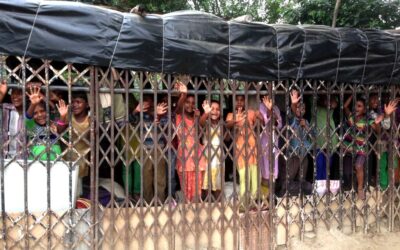
Warriors of Air #GivingTuesday#India

Don’t go by the picture! These kids are the luckiest as they live on the bank of the river in the middle of green vegetable patches and breathe good clean air, or at least the best available in our capital city.
For the others the invisible bars of polluted air are slowly appearing and will soon incarcerate us all for the months to come.
You guessed right! Air pollution is on its way. WHO has just confirmed that Delhi’s air is the worst of all megacities. Fine particulate matter is already four times more than what is acceptable.
That the situation is critical is obvious but to put matter in perspective here is a fact: India’s capital was the only megacity to record a PM10 level above 200 µg/m³, exceeding the WHO air quality standard of 20 µg/m³ by more than 900 per cent.
The monsoons have gone and with it blue sky and breathable air. For the past few days a grey lid covers the city and no, its is not rain clouds. In some areas farmers have begun to set harvested fields on fire, construction sites are thriving and in a few days festive celebrations will begin and firecrackers will burst with impunity. And then as winter comes small fires will be lit to keep warm, more fields will be set on fire, cars will rev in the traffic and the smoke of industrial chimneys will add to the toxic cocktail. And we will be breathing this air as we have no choice.
Or do we?
We all know that the air is polluted, that water is scarce and so on but how many of us take any remedial measures. The rich will buy air purifiers and soon the poor will too as prices are coming done. Market forces!
Is it not time to stop looking for bad aid solutions and do something for mother Nature.
Easier said than done as the fight is somewhat skewed. Talk of firecrackers and it is all brought down to mores and tradition, and what about the fire to warm yourself. When you live on the street then that is the only way you can beat the biting cold. For farmers it is easier to set fire on the land than painstakingly pullout old roots.
Air pollution has dangerous effects on humans, animals and plants. It leads to heart and lung disease, global warming, acid rain and more. Children are the most affected. Children from urban slums suffer the most as they rarely take a break and get to breathe clean air.
The problem with the solutions are that they require life style changes that many are not willing to adopt: take the bus or the metro instead of your car, switch off lights and appliances you are not using.
Some measures are impossible because of no availability of safe infrastructure. One would love to walk but where are the pedestrian walks, one could cycle to work but where are the cycle tracks. It is said that if water is sprayed regularly on roads and construction sites there would be a change in the air quality, but this again is Catch 22 itself as water is scarce and precious.
Most of these solutions are not in our hand as they involve government and administration.
At Project Why we believe that the first thing is to make children aware of the critical situation that exists and then inform them about the ways to curb air pollution so that even if they cannot do things they can become Warriors of Air.
Some of the steps they can participate in are: segregation of garbage. asking their families not to take motorbikes for short distance errands, learn to recycle and reuse, convert garbage into compost, switch off lights, etc.
Let us not forget that it is children who suffer the most. 4.4 million children in Delhi already have irreversible lung damage. So if not for us we have to think of the children and their tomorrow.
It is only when we ALL accept to become Warriors of Air that things will change.
Learning to…#GivingTuesday#India
 Two weeks ago, two class XII students murdered their teacher. The reason: he expelled one of them for poor attendance. Rage, anger, frustration? Nothing can condone violence of this kind and the boys will face the law.
The question that begs to be asked, though few will, is: who is responsible for this brutality and the answer may not be as easy as one would like to believe.
This extreme action should compel us to look at reality in the face. The two boys were school going and had studied hard enough to reach class XII. They were not one of the (ill)famed dropouts.
That any child would resort to such abhorrent violence must lead us to look at the present education system and social environment our young live in particularly in urban slums. This post is not meant to justify the act but prevent it in days to come as violence and aggression are an intrinsic part of the DNA of underprivileged children.
Education is undoubtedly the one tool that shapes mind and thus life. School should be an enabling environment where every child blooms according to her or his capabilities and talent. Education goes far beyond three Rs.
At Project Why we have always believed in Jacques Delors definition of education, namely his four pillars of learning: learning to learn, to do, to be and to live with others. Sadly education as we know it stops at the first.
One of the reasons of setting up Project Why was to address a unnatural reality: the half day school system whereby boys go to school post lunch. The school is for girls in the morning. Boys are left to their own device as their homes are tiny and so the street becomes their realm. With no quality parental control they are left to themselves. Bunking school becomes easy and as they grow the transformation between child and bad element is bound to happen. What we forget is that we are a part of the terrible mutation.
That they should be aggressive and even violent is again to be expected. Child physical abuse is rampant in both homes and school and becomes the only tool they know. No one talks to them or asks them their point of view. Communication is one-way from adult to child and they have no voice. So where do they learn to be and live with others.
We once asked a group of secondary students who were regularly beaten in their school what was the one thing they would change if given a chance and ALL of us would have bet our bottom dollar that the answer would be physical abuse. We were astounded when they told us that they would give the child a chance to explain himself before beating him. Beating was par to the course. What they wanted his a voice.
Children need to be heard. Children need to be recognised as individuals. Children need to be respected. Their talents need to be discovered and honed. They need to be given means to vent their anger and emotions. If the two boys who now will spend years in a brutal jail had been taught better then three lives would have been saved.
It is time we took responsibility and acted. Education reforms are needed but again they have to be the right ones, the kind that helps every child to grow to her or his full potential.
All television is educational television. The question is: what is it teaching? #GivingTuesday#India
All television is educational television. The question is: what is it teaching? wrote Nicholas Johnson.
Television is the most ubiquitous object as it breaks all social barriers and finds its way in every nook and corner of the land. Satellite dishes dot the most unlikely roof tops from crowded slums to the thatch homes of the agricultural labour tending to vegetable fields.
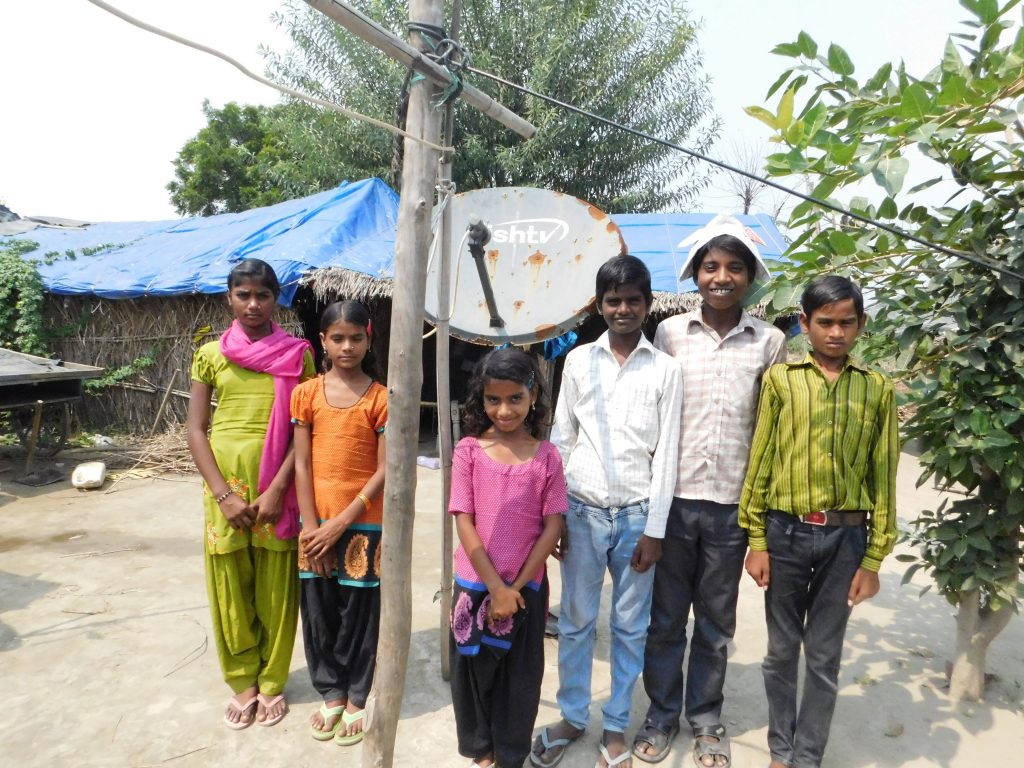
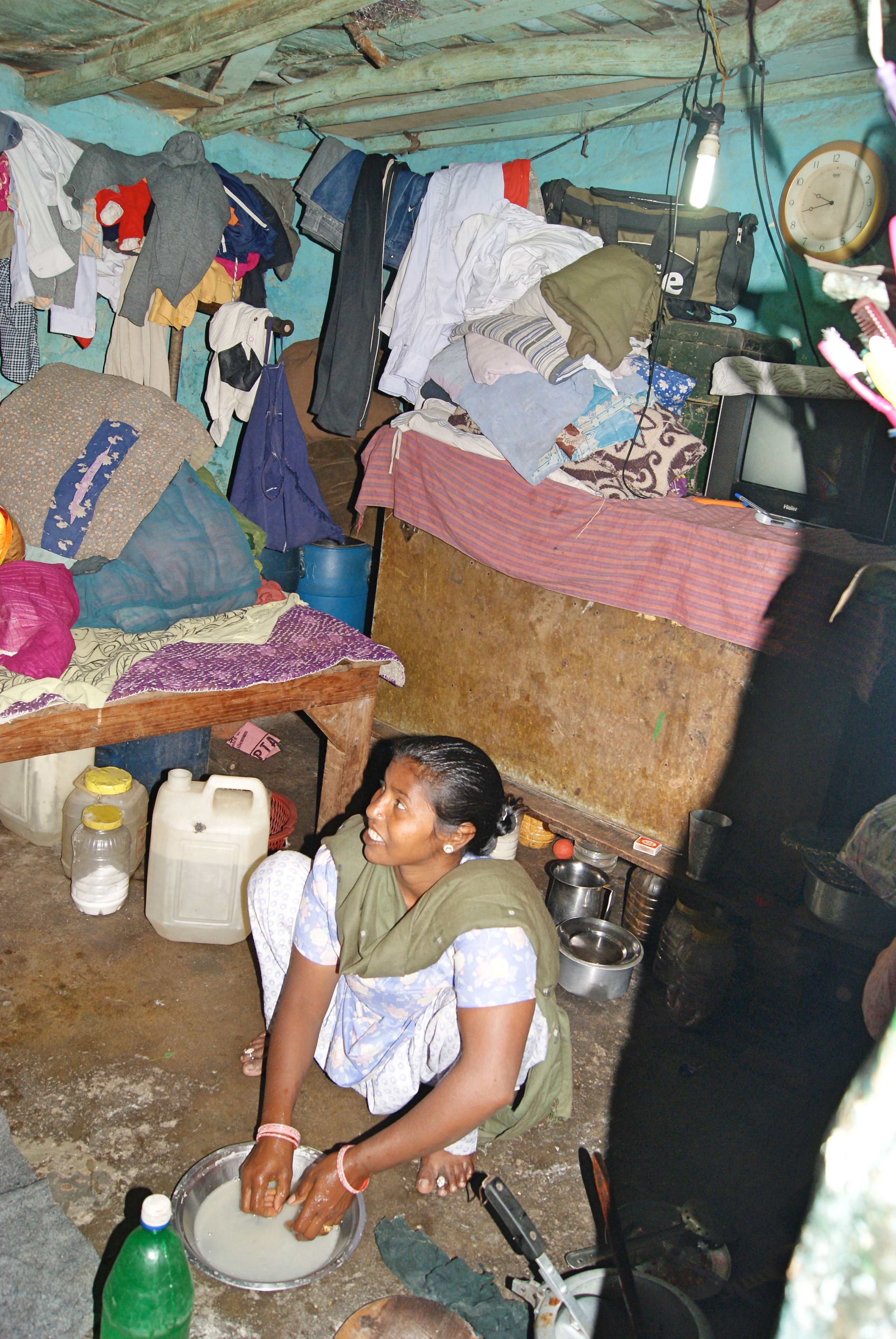
SONY DSC
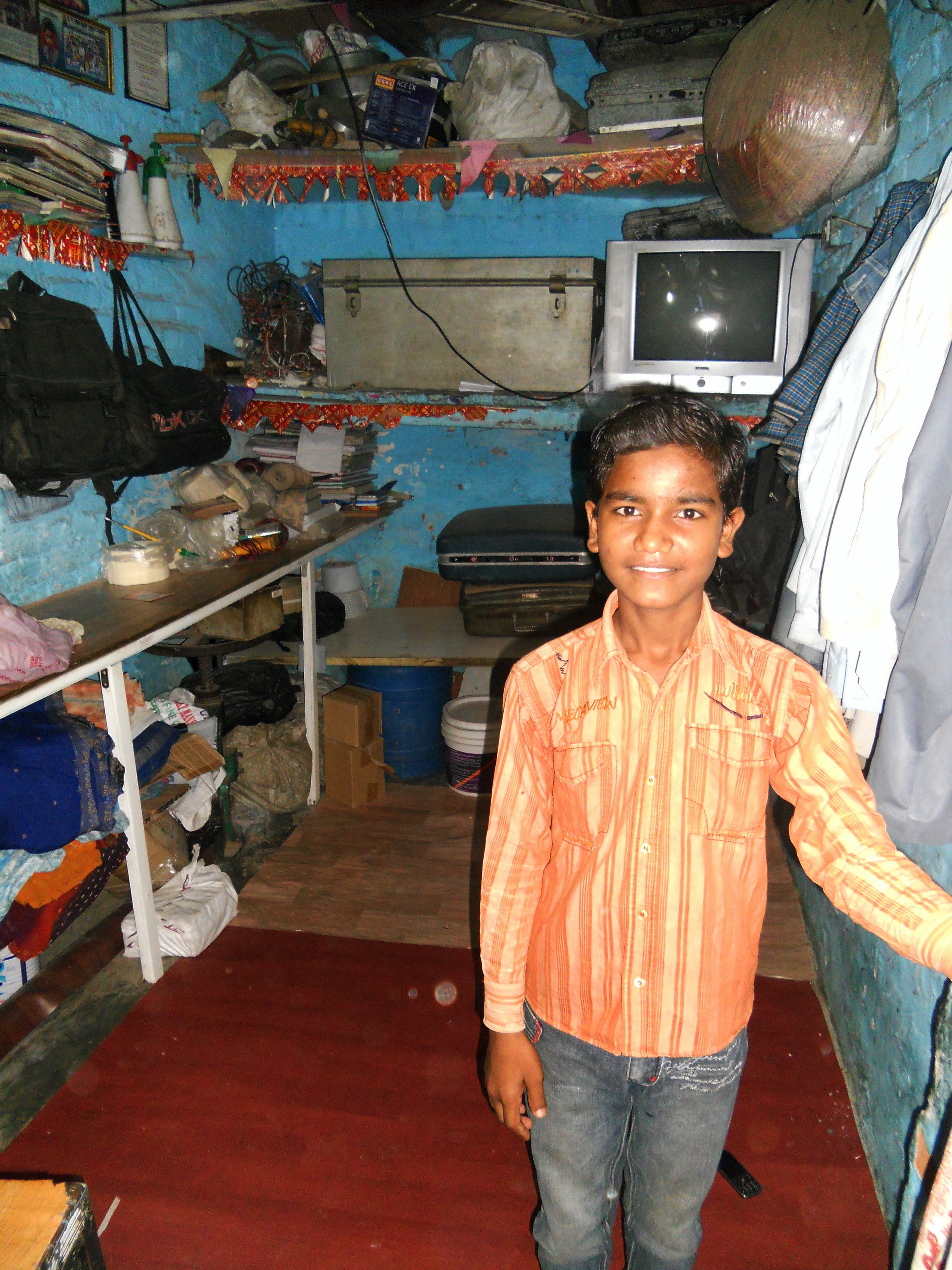
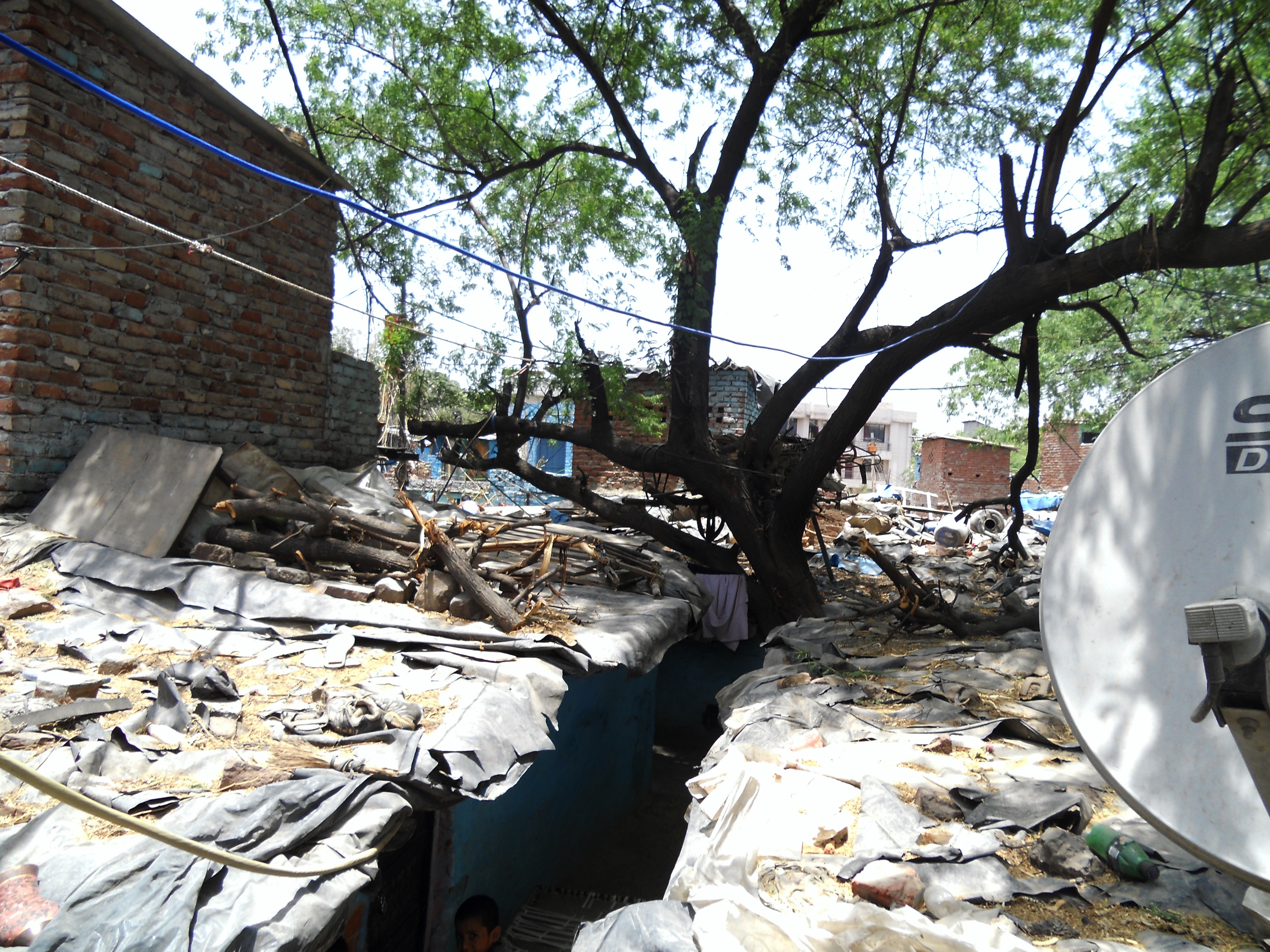
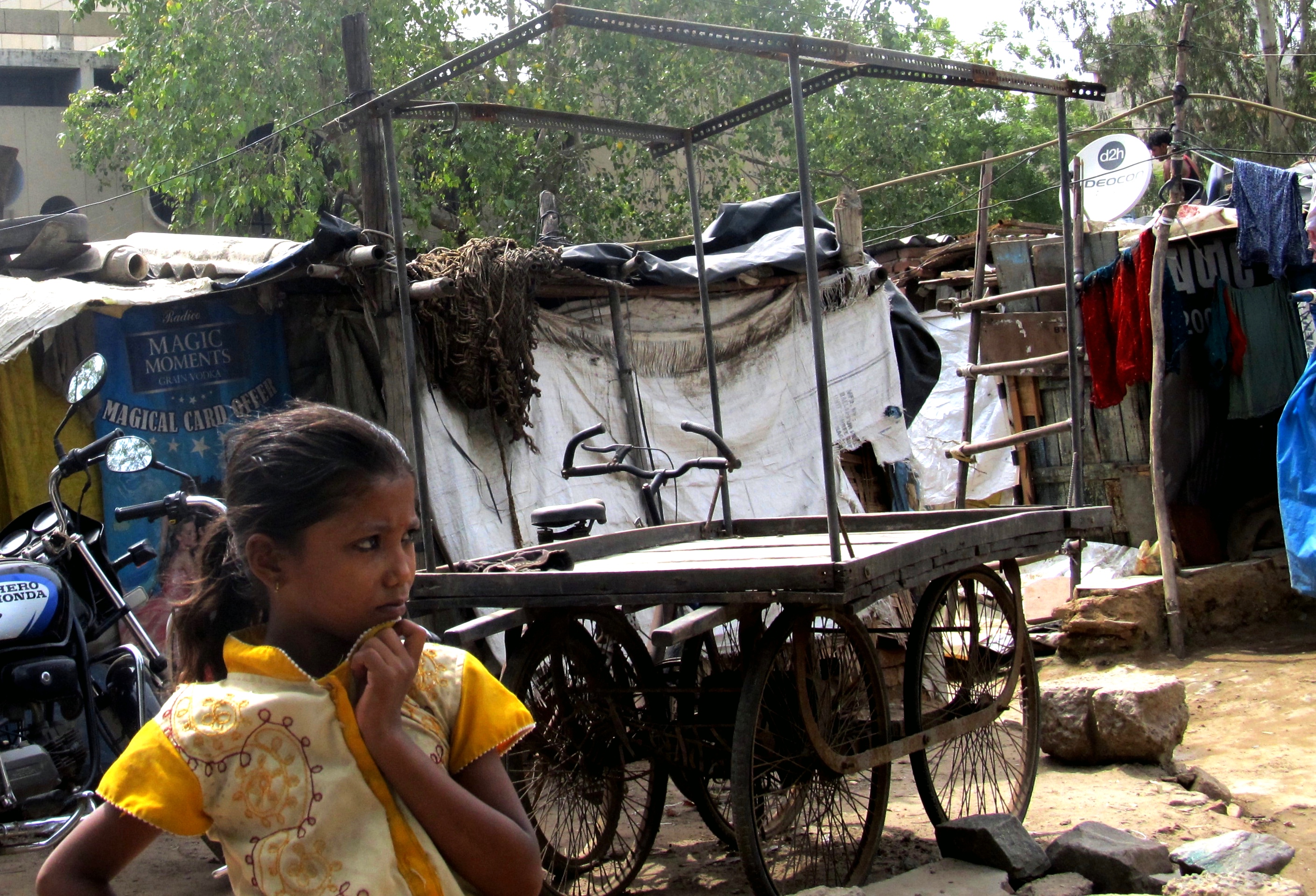
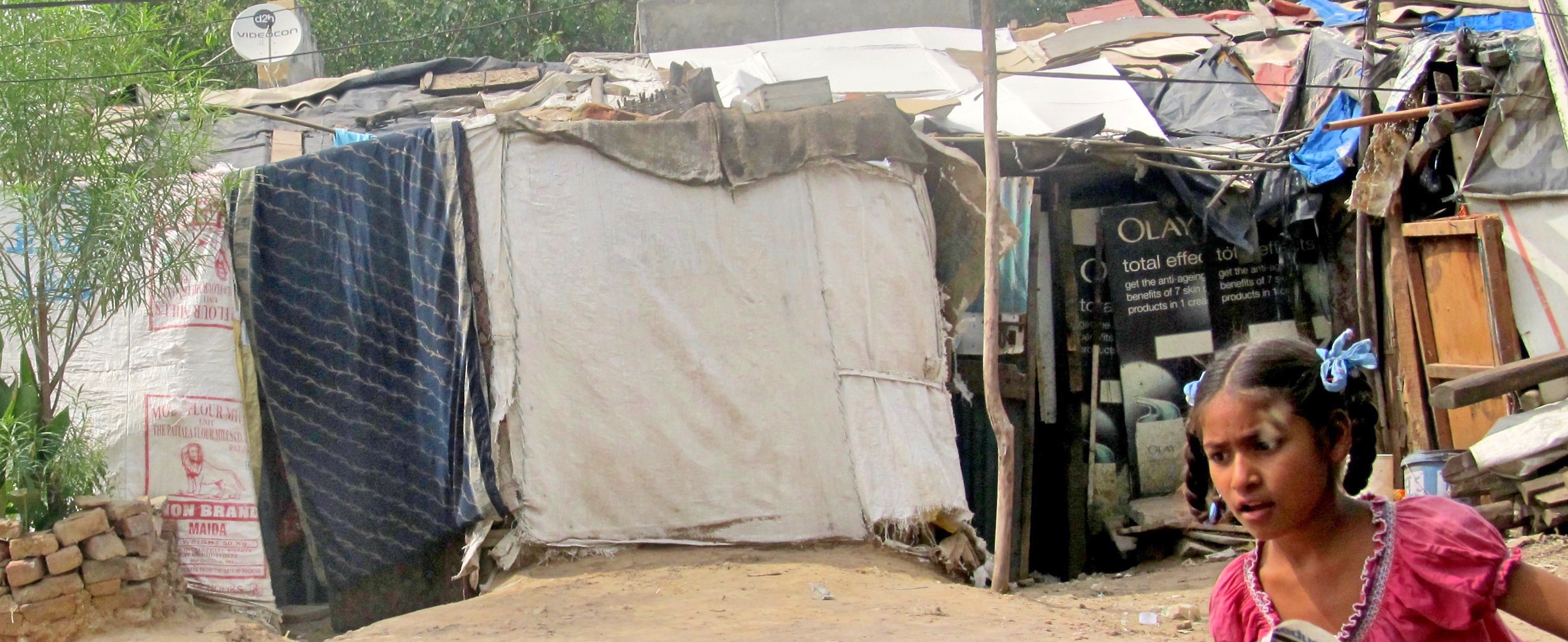
No matter how poor you are, TV is always something you will find money for. Nicholas Johnson is right in saying that all TV is educational but then what does it teach today?
In the times of 24 hours and innumerable channels there is a lot on offer. In tiny homes with a sole TV there is not much scope for parental or any kind of control. The preferred programmes are undoubtedly the plethora of soap operas that seem to have taken the place of the weekly movie outing that was once affordable. Today the big cinema halls with different ticket rates have been replaced by multiplexes where you pay the same for front or back row.
In yore years the back row was for the dating couples and the front row for what was know as the whistling viewers. Post movie day there was a week of processing what you had seen. And in yore years again Bollywood movies did have a social message. Gone are the days of tear jerkers!
Soap operas are family dramas that are a far cry from the reality of those who view them in slums. Nothing resembles the harsh reality of survival. They do provide a much needed escape but where escape is good once in a while, it can be nefarious when resorted to constantly.
Then there are cartoons that are often seen by children after much negotiation and even violent arguments. Some are innocuous but others can be violent.
There are movie channels, reality shows, music channels and even educational channels. Common to each is the clever interspersion of ads. No wonder that you find the most upmarket products in the poorest of homes as these are available in affordable pouches.
Many young slum kids learn their dancing and dress sense from the box. Not a bad thing some would say.
But too much of anything can be dangerous and when there is no control of any kind danger lurks in every image.
At Project Why we try and put things in perspective. The only means to do so is to give every child that comes to us the freedom to share her/his thoughts and desires with us allowing us to help her process it rationally. It is all about open communication.
TV or for that matter any information source is educational provided it is backed by processing and understanding.