by anouradha bakshi | Oct 11, 2016 | Uncategorized
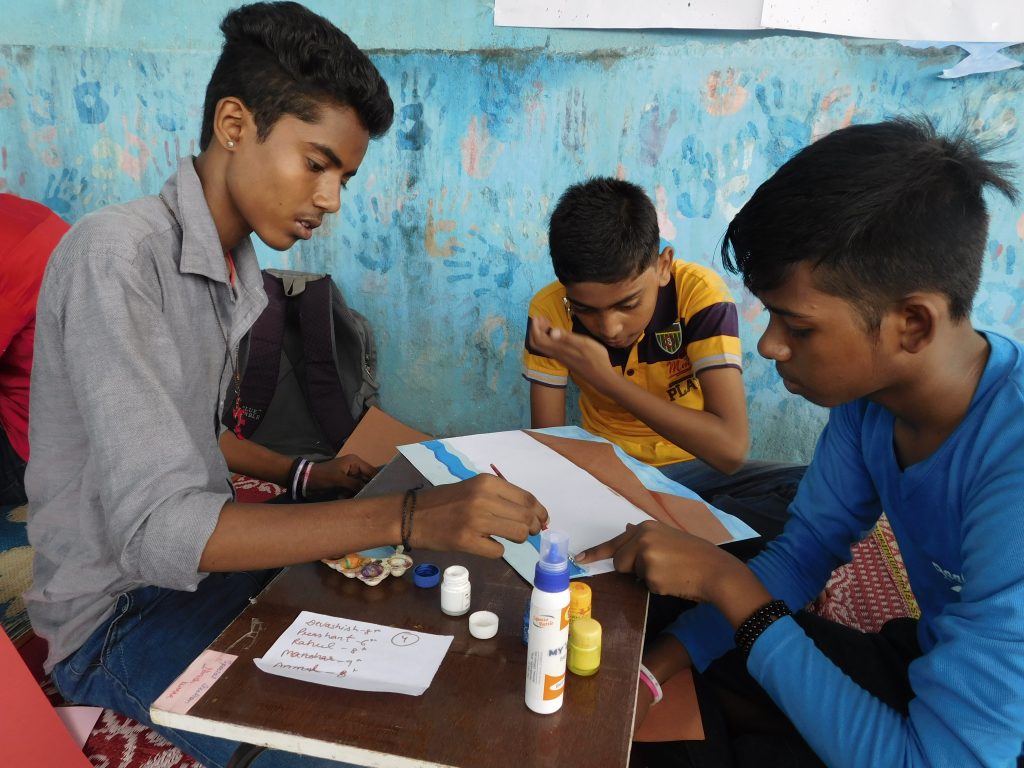 Two weeks ago, two class XII students murdered their teacher. The reason: he expelled one of them for poor attendance. Rage, anger, frustration? Nothing can condone violence of this kind and the boys will face the law.
The question that begs to be asked, though few will, is: who is responsible for this brutality and the answer may not be as easy as one would like to believe.
This extreme action should compel us to look at reality in the face. The two boys were school going and had studied hard enough to reach class XII. They were not one of the (ill)famed dropouts.
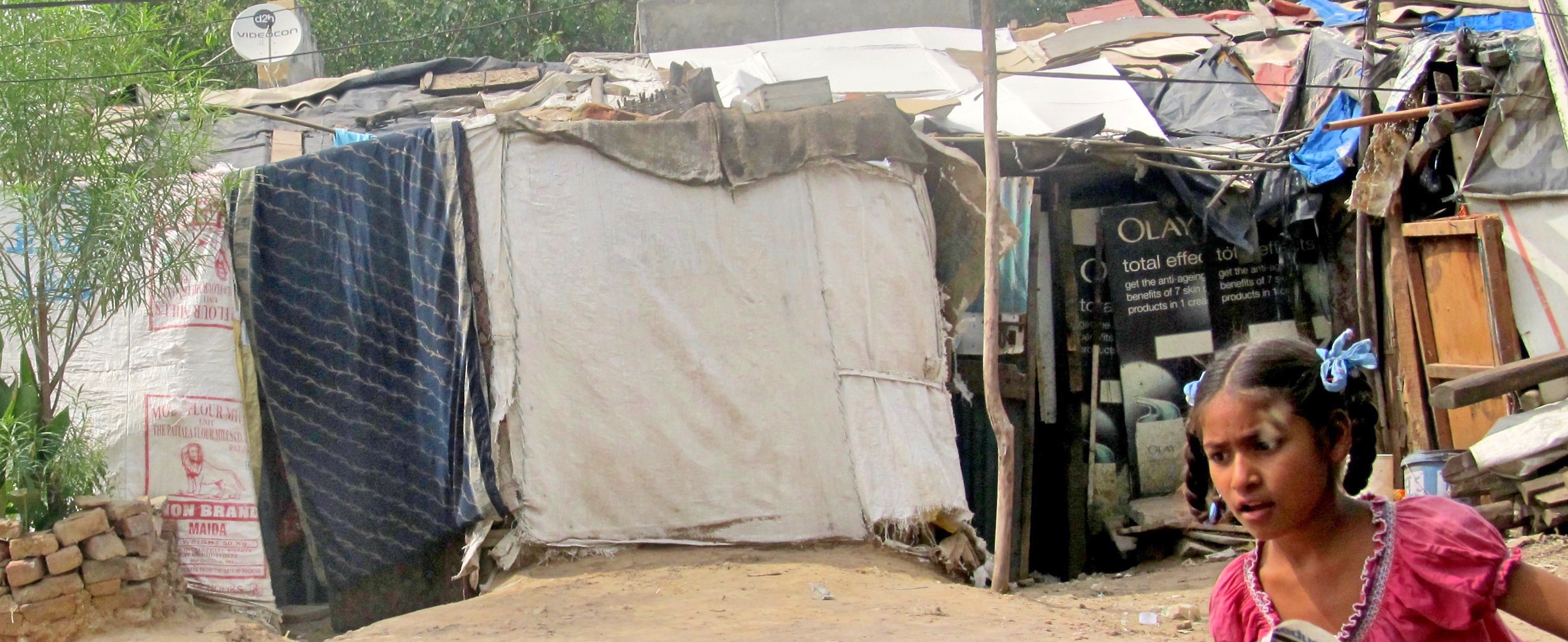
That any child would resort to such abhorrent violence must lead us to look at the present education system and social environment our young live in particularly in urban slums. This post is not meant to justify the act but prevent it in days to come as violence and aggression are an intrinsic part of the DNA of underprivileged children.
Education is undoubtedly the one tool that shapes mind and thus life. School should be an enabling environment where every child blooms according to her or his capabilities and talent. Education goes far beyond three Rs.
At Project Why we have always believed in Jacques Delors definition of education, namely his four pillars of learning: learning to learn, to do, to be and to live with others. Sadly education as we know it stops at the first.
One of the reasons of setting up Project Why was to address a unnatural reality: the half day school system whereby boys go to school post lunch. The school is for girls in the morning. Boys are left to their own device as their homes are tiny and so the street becomes their realm. With no quality parental control they are left to themselves. Bunking school becomes easy and as they grow the transformation between child and bad element is bound to happen. What we forget is that we are a part of the terrible mutation.
That they should be aggressive and even violent is again to be expected. Child physical abuse is rampant in both homes and school and becomes the only tool they know. No one talks to them or asks them their point of view. Communication is one-way from adult to child and they have no voice. So where do they learn to be and live with others.
We once asked a group of secondary students who were regularly beaten in their school what was the one thing they would change if given a chance and ALL of us would have bet our bottom dollar that the answer would be physical abuse. We were astounded when they told us that they would give the child a chance to explain himself before beating him. Beating was par to the course. What they wanted his a voice.
Children need to be heard. Children need to be recognised as individuals. Children need to be respected. Their talents need to be discovered and honed. They need to be given means to vent their anger and emotions. If the two boys who now will spend years in a brutal jail had been taught better then three lives would have been saved.
It is time we took responsibility and acted. Education reforms are needed but again they have to be the right ones, the kind that helps every child to grow to her or his full potential.
by anouradha bakshi | Oct 4, 2016 | Uncategorized
All television is educational television. The question is: what is it teaching? wrote Nicholas Johnson.
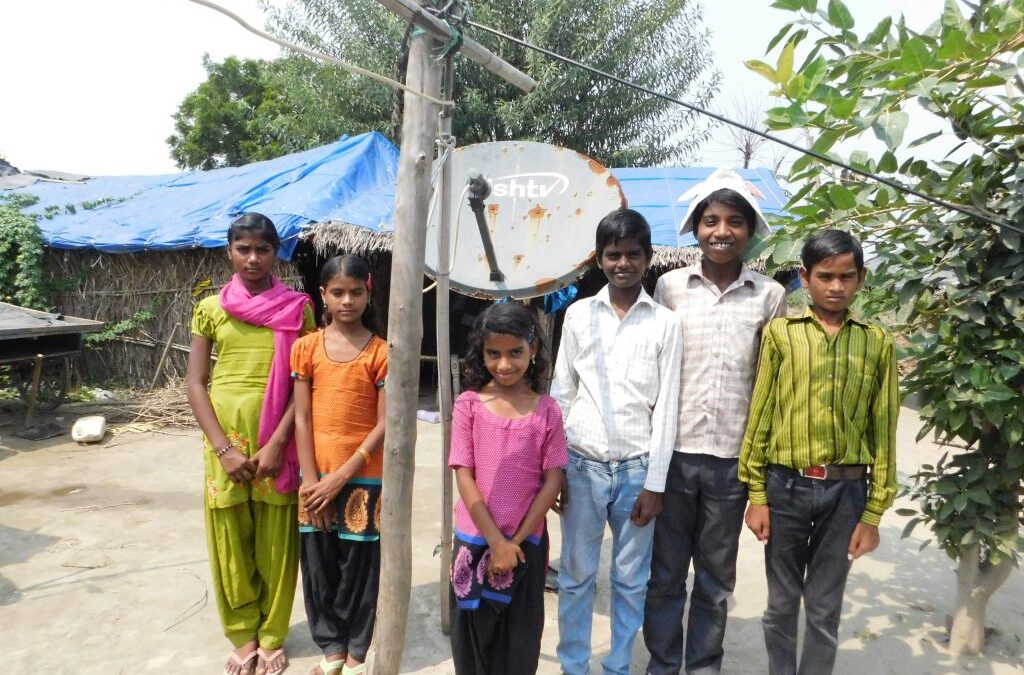
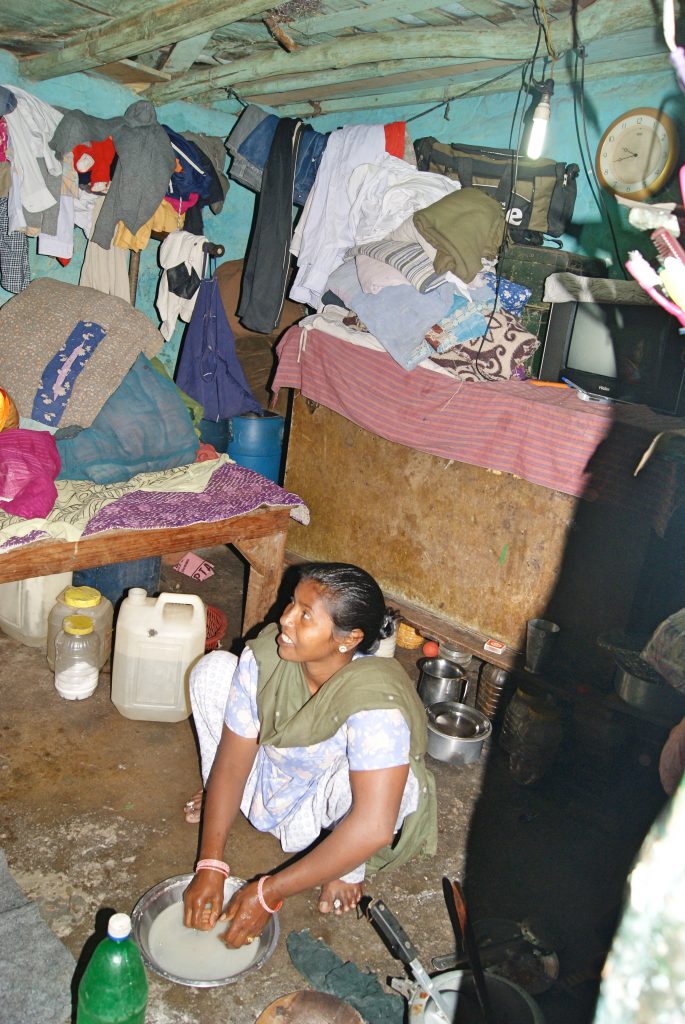
Television is the most ubiquitous object as it breaks all social barriers and finds its way in every nook and corner of the land. Satellite dishes dot the most unlikely roof tops from crowded slums to the thatch homes of the agricultural labour tending to vegetable fields.
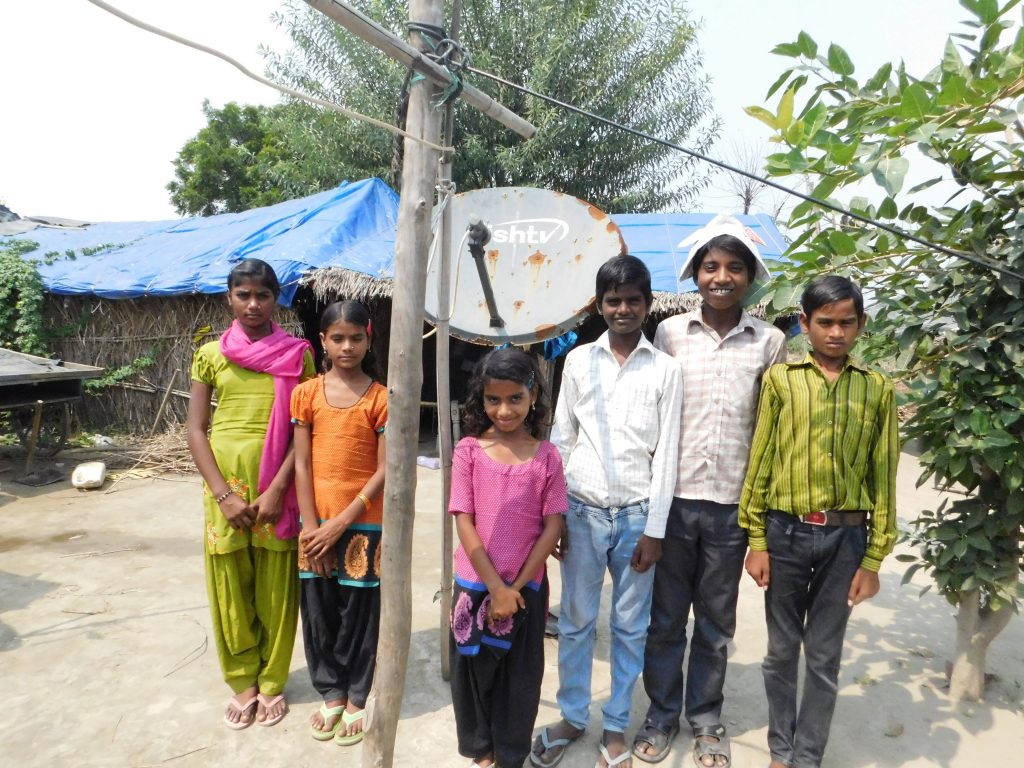
SONY DSC
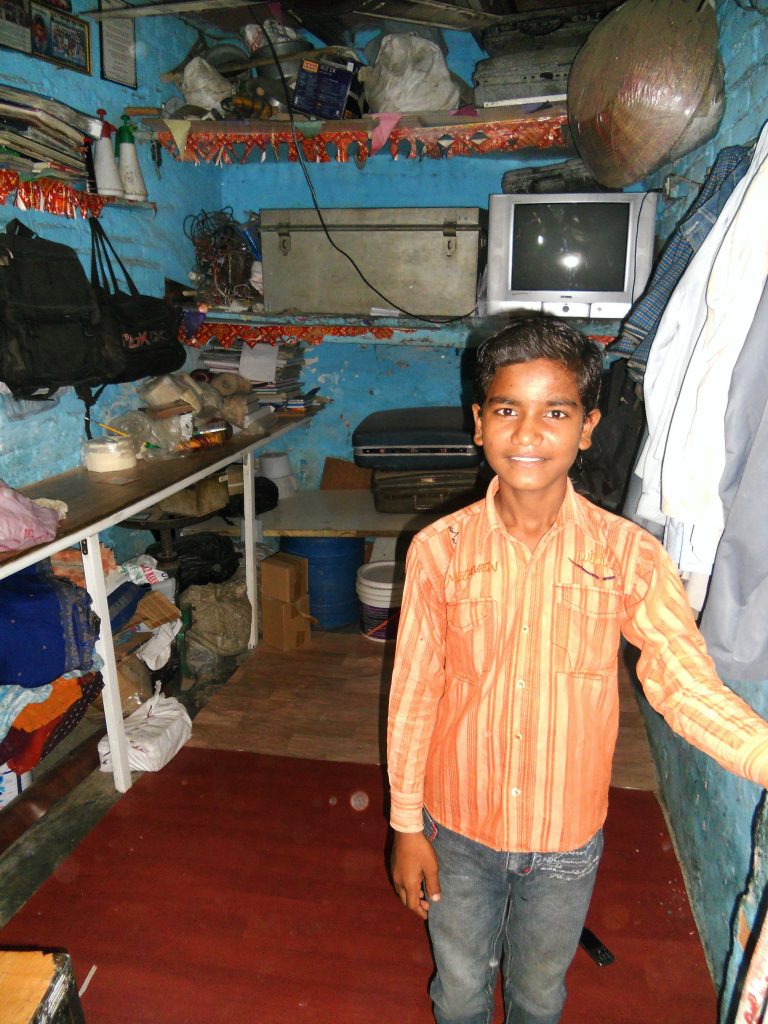
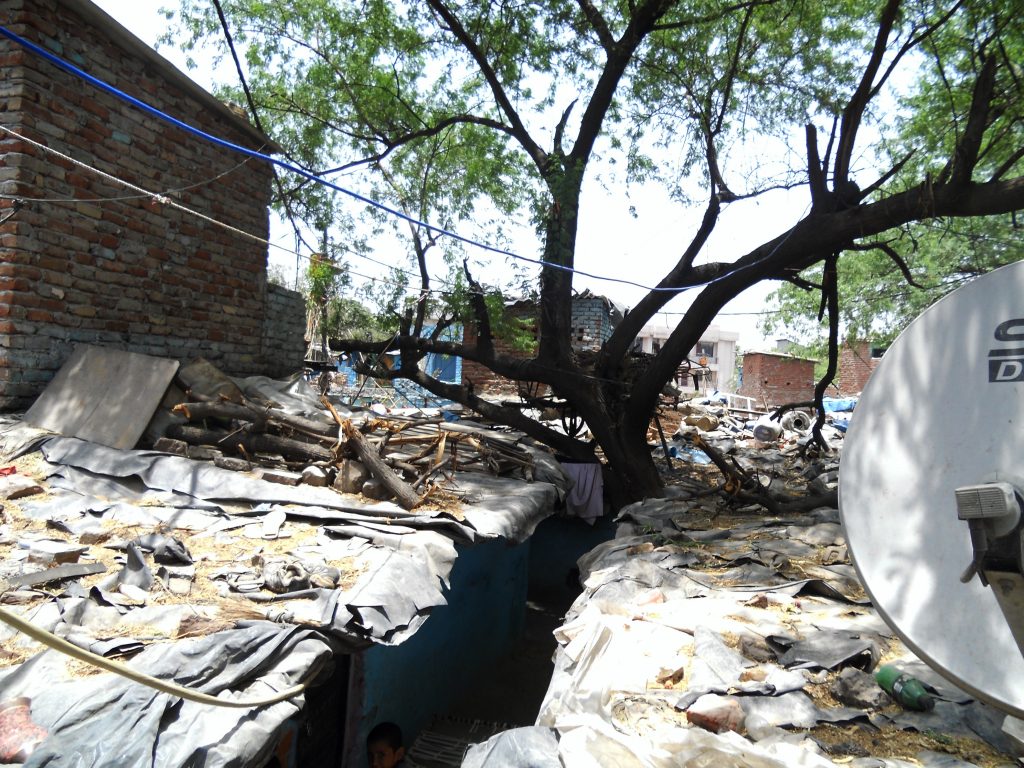
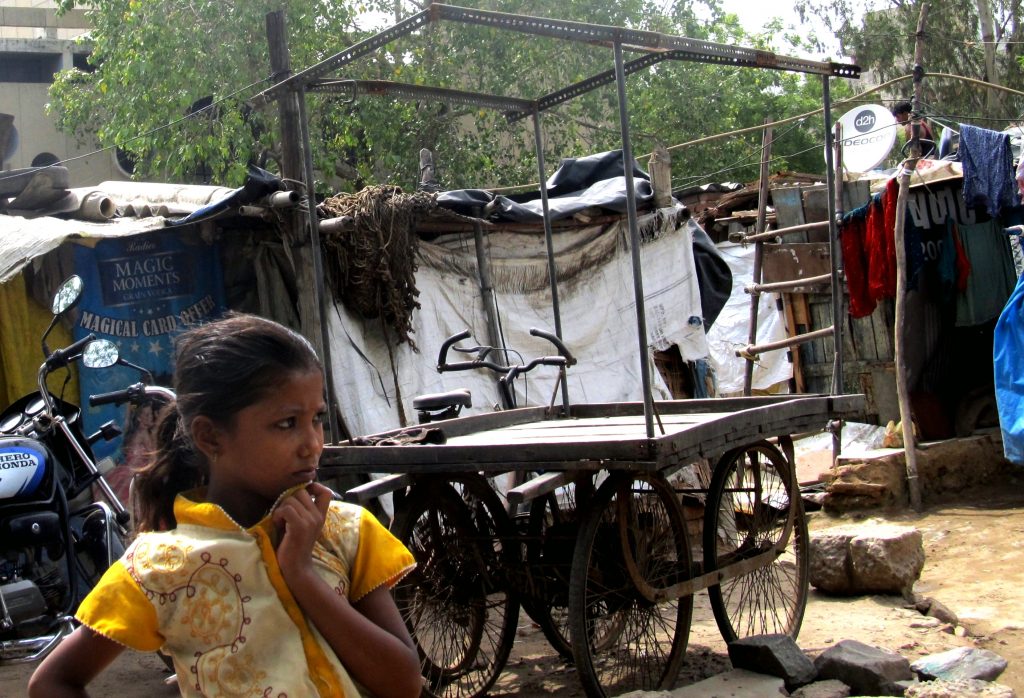
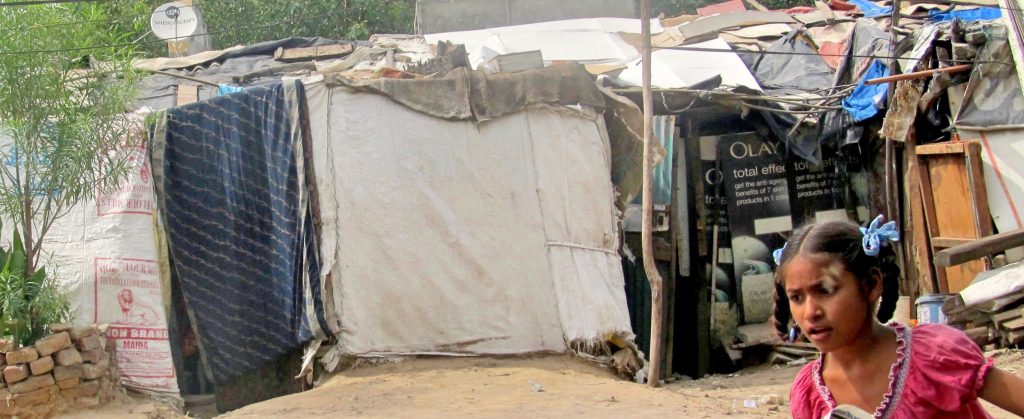
No matter how poor you are, TV is always something you will find money for. Nicholas Johnson is right in saying that all TV is educational but then what does it teach today?
In the times of 24 hours and innumerable channels there is a lot on offer. In tiny homes with a sole TV there is not much scope for parental or any kind of control. The preferred programmes are undoubtedly the plethora of soap operas that seem to have taken the place of the weekly movie outing that was once affordable. Today the big cinema halls with different ticket rates have been replaced by multiplexes where you pay the same for front or back row.
In yore years the back row was for the dating couples and the front row for what was know as the whistling viewers. Post movie day there was a week of processing what you had seen. And in yore years again Bollywood movies did have a social message. Gone are the days of tear jerkers!
Soap operas are family dramas that are a far cry from the reality of those who view them in slums. Nothing resembles the harsh reality of survival. They do provide a much needed escape but where escape is good once in a while, it can be nefarious when resorted to constantly.
Then there are cartoons that are often seen by children after much negotiation and even violent arguments. Some are innocuous but others can be violent.
There are movie channels, reality shows, music channels and even educational channels. Common to each is the clever interspersion of ads. No wonder that you find the most upmarket products in the poorest of homes as these are available in affordable pouches.
Many young slum kids learn their dancing and dress sense from the box. Not a bad thing some would say.
But too much of anything can be dangerous and when there is no control of any kind danger lurks in every image.
At Project Why we try and put things in perspective. The only means to do so is to give every child that comes to us the freedom to share her/his thoughts and desires with us allowing us to help her process it rationally. It is all about open communication.
TV or for that matter any information source is educational provided it is backed by processing and understanding.
by anouradha bakshi | Sep 27, 2016 | Uncategorized
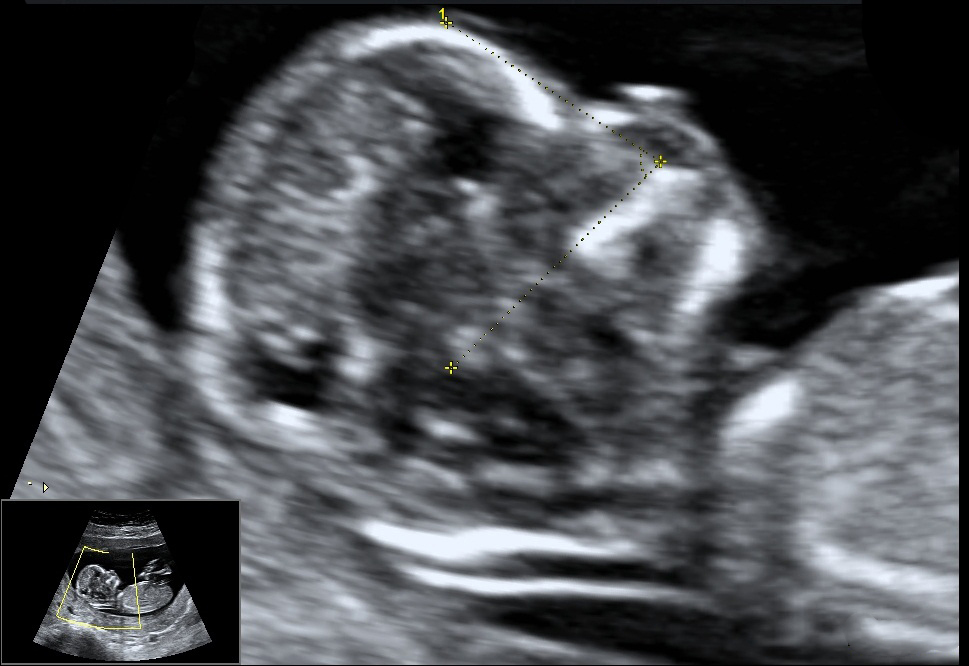
You may be wondering why the illustration for this post is an ultrasound plate. The reason is that there exists no picture of the child whose story we tell.
Little Sonny was born a month or so ago to a beggar woman of the Kalka Temple. This was the mother’s 4th child, the eldest way in her late teens. Two of her children are special needs children and the husband passed away before Sonny was born. When the baby arrived and it was a boy, the mother was elated.
However one look at the child was enough to realise that the baby was born with Down Syndrome. No one had the heart to tell the mother. Would she have believed this? Perhaps not as Sonny was the ray of sunshine she held on to.
A few weeks later Sonny passed away. The reason given was an insect bite at night. He had gone to sleep alive and woke up dead. Maybe it was all for the best as a child like him had a very bleak future.
Had he been from a well-to-do family that a scan like the one above may have resulted in his being aborted.
He could also have been born in a caring family that would have done everything possible to make his life the best or to a family where he would have been shunned. But that was not the case.
Sonny is one of children born in India but never claimed by the land. They remain wandering souls that have fallen off the net and when they pass they often fade from the memories of those who gave them life as they are too busy in simply surviving.
by anouradha bakshi | Sep 20, 2016 | Uncategorized
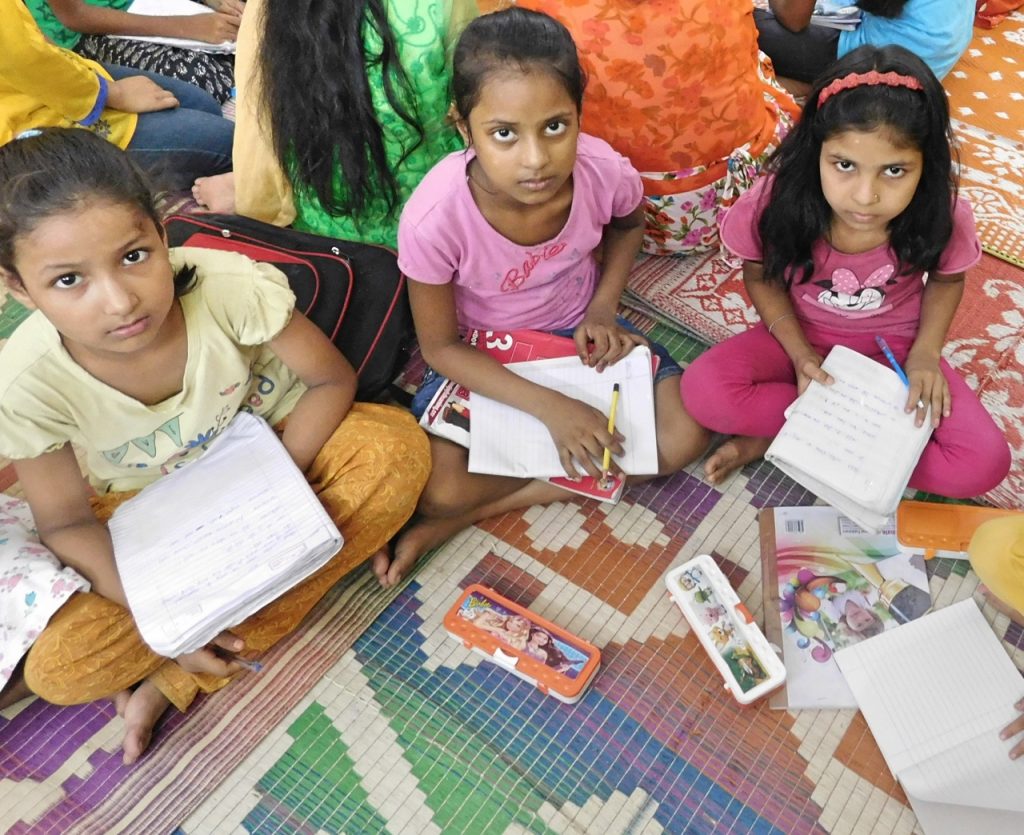
A child has only one chance to be six, ten or fourteen years old. Childhood cannot be postponed. Yet according to a UNESCO report, India could be fifty years late in meeting its education commitments. Policies can wait, reports can be rewritten and targets can be revised. Children cannot.
A recent UNESCO report states that India could be late by half a century in achieving its global education commitments. It would need to make fundamental changes in the education policy if it were to meet the 2030 goals. At present India is expected to achieve universal primary education in 2050, universal lower secondary education in 2060 and universal upper secondary education in 2085.
That education is the one and only road to transformation is indubitable. Education helps break the poverty cycle and hence should be given centre stage. But that is not the case; hence the delays un meeting the millennium goals.
If we are to go with the stated report then it will take another 34 years for ALL children in India to acceded to primary education.
Let us leave statistics alone and look at the human factor. What this means is that for many millions of children today primary education remains a dream. The reasons are many. From poorly run schools, to lack of teachers, to lack of motivation, to gender bias, to access to schools, to inclusiveness, to poverty etc. Each of this is redressable.
But time is a crucial factor and time is something that children do not have. They grow every minute and before even planning can be done, they have missed the train.
It is imperative that immediate solutions are found and implemented.
One such solution is Project Why.
Education does not simply mean enrolment in a school. Only if the education is of quality will it help transform a life. In todays education scenario going to school alone does not suffice. What has come to be know as ‘shadow education’ – after school tuition, coaching, extra classes – is a essential to success. This comes at a price the poor cannot pay. This is further compounded by the fact that poor children often have illiterate parents who cannot provide any support.
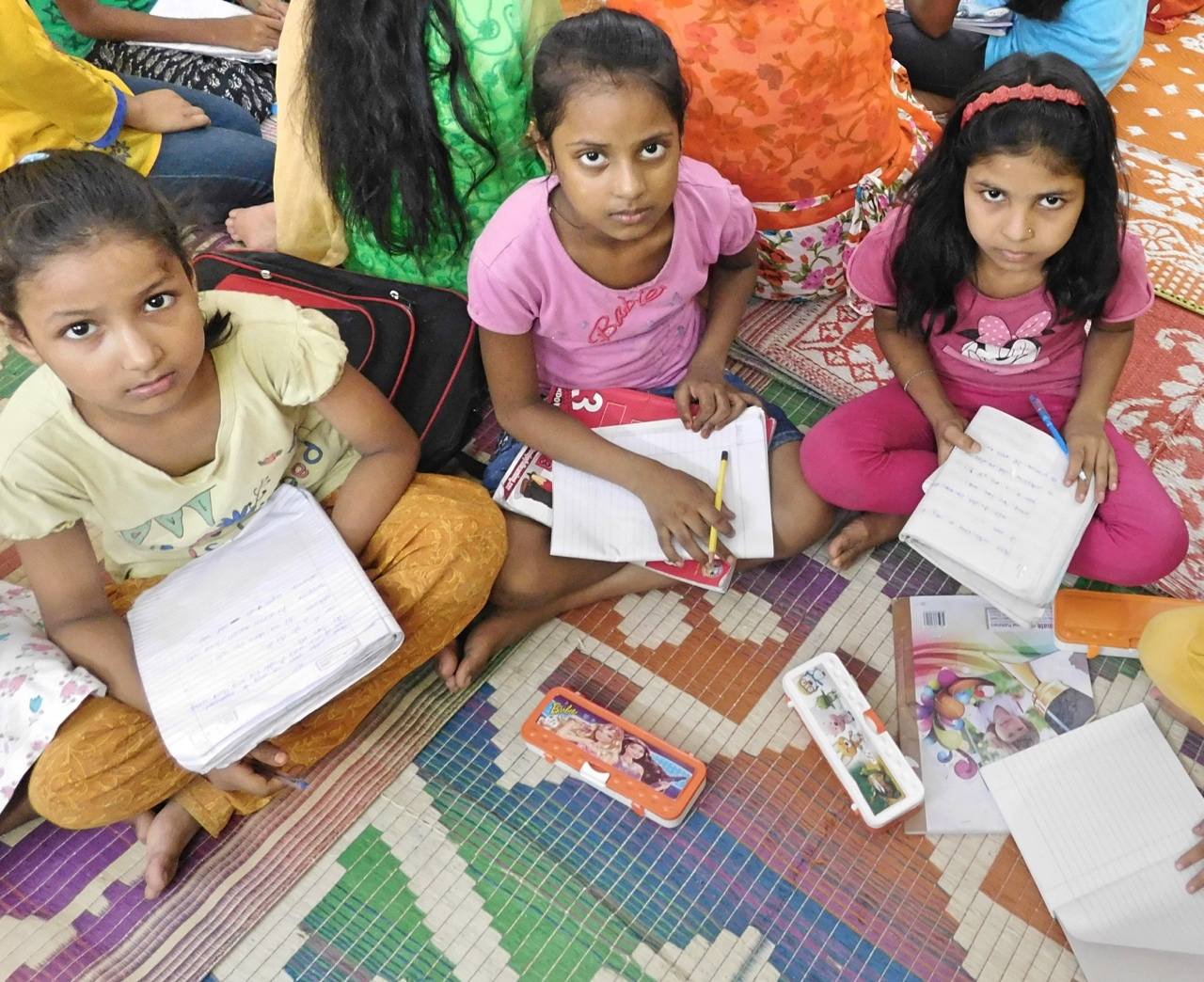
Every year, children arrive at Project Why after spending three, four or even five years in school without learning to read or write. They have attended classes but have been left behind. Most are already on the road to dropping out—not because they lack ability, but because no one has been able to give them the support they need.
It is over 1000 children that Project Why helps at no cost for the past 16 years. The fact that the problem is not only real but calamitous is amply demonstrated by the large number of children who have come to Project Why after 3, 4, 5 and even more years of sitting on a school bench and who could barely read or write. Such children drop out often by the end of primary school or when they face their first real exam.
The flip side is that the same child who would have dropped out and been considered a failure needs only a little help to make up for lost years and reach the top of her class. We have many such children. That is what makes the situation so tragic.
Project Why is a minuscule effort but one that bears fruits. At least for these 1000 children education is a reality.
by anouradha bakshi | Sep 15, 2016 | Uncategorized
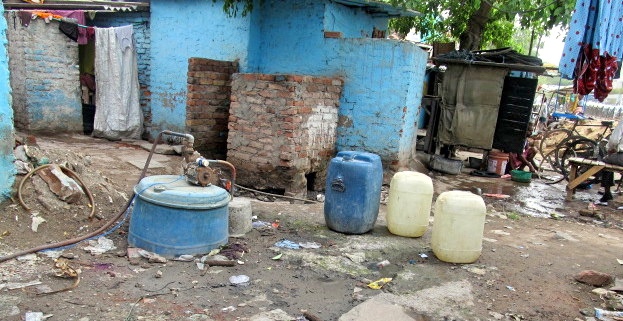
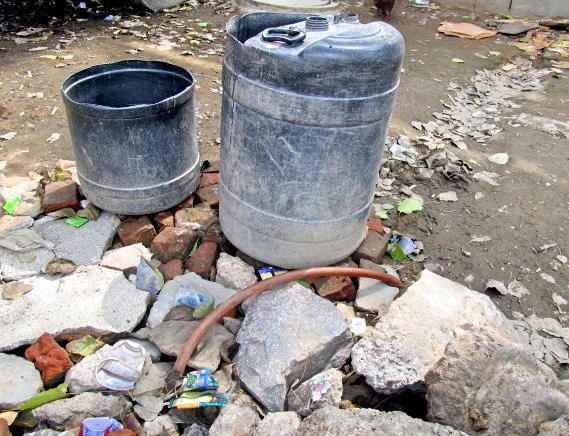
India has the largest number of stunted children in the world reveals a recent study. For Project Why that is one too many! The main reasons are: lack of toilets, dirty water and poor hygiene. In urban slums and even lower middle class colonies that is a reality. Narrow lanes, unchecked construction and overcrowding spell disaster. Even in the area where Project Why’s main office is located and where property is in 7 or even 8 figures, clean and drain water pipes get mixed and a foul smelling grey water runs in your taps. The reason being unchecked construction where pipes are dug ad infinitum by unskilled workers.
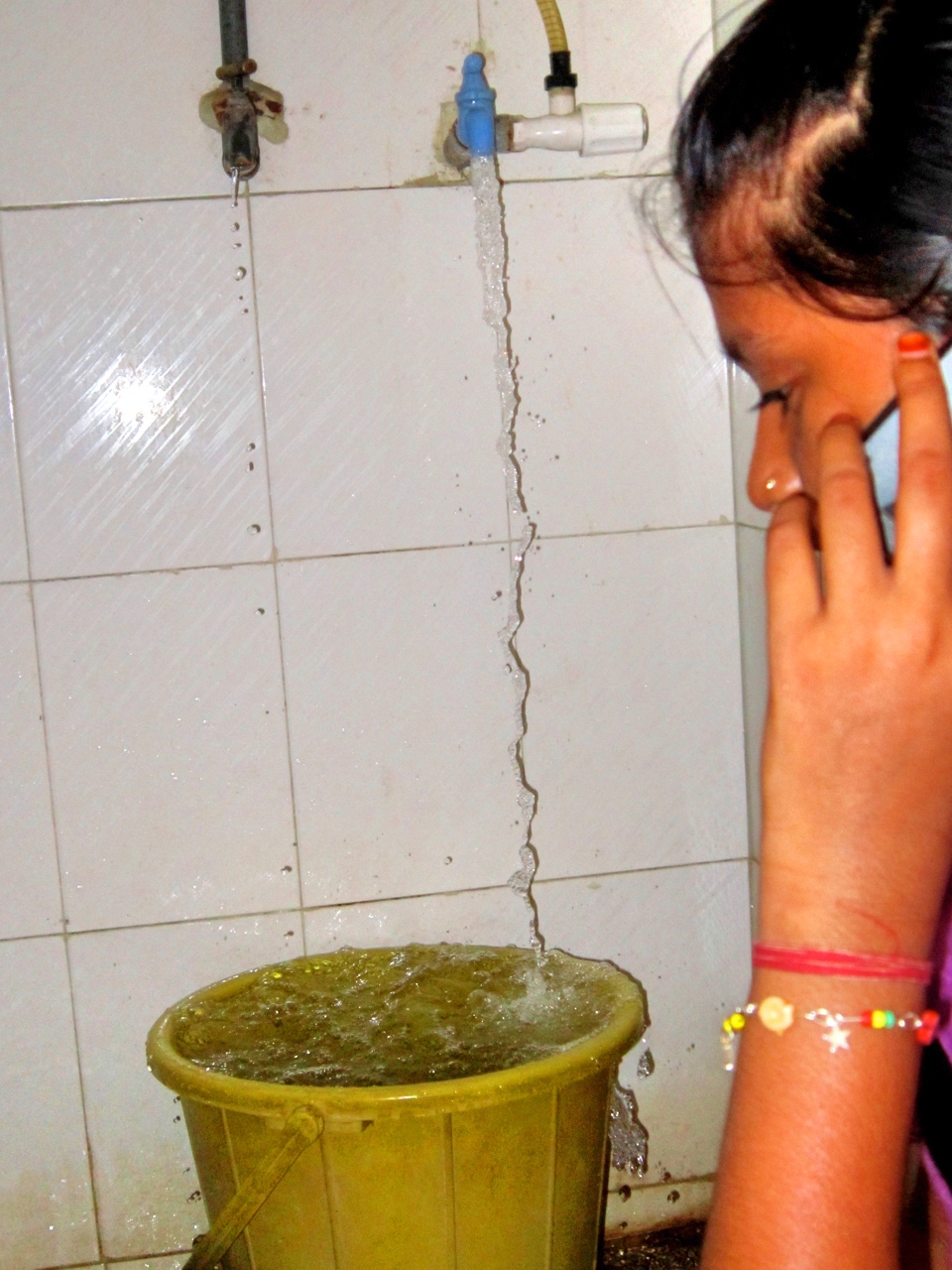
In slums where piped water does not exist, drinking water is collected in recipients of all kind from taps or water trucks. Then it is stored often in unhygienic condition and used for the next 24 hours.
Toilets are scarce. Those that exist are filthy. A brave Project Why teacher undertook the survey of local public toilets and was sick for two days. They were beyond filthy. The problem often was lack of water and budgets for cleaning.
It all comes down to planning.
What no one realised is that the dirty water is drunk by children below 2 who get stunted for life. The damage is irreversible. These children grow to be physically and intellectually weaker than their peers. Some do not make it to age 2 as they succumb to one of the many waterborne diseases. Death is rarer in cities where medical facilities are available but a stunted child is marked forever. Children cannot wait for long term solutions.
The way out is to educate people about the importance of water, about storing it in hygienic conditions, about washing hands before diving in the drinking water pot and about not wasting a drop.
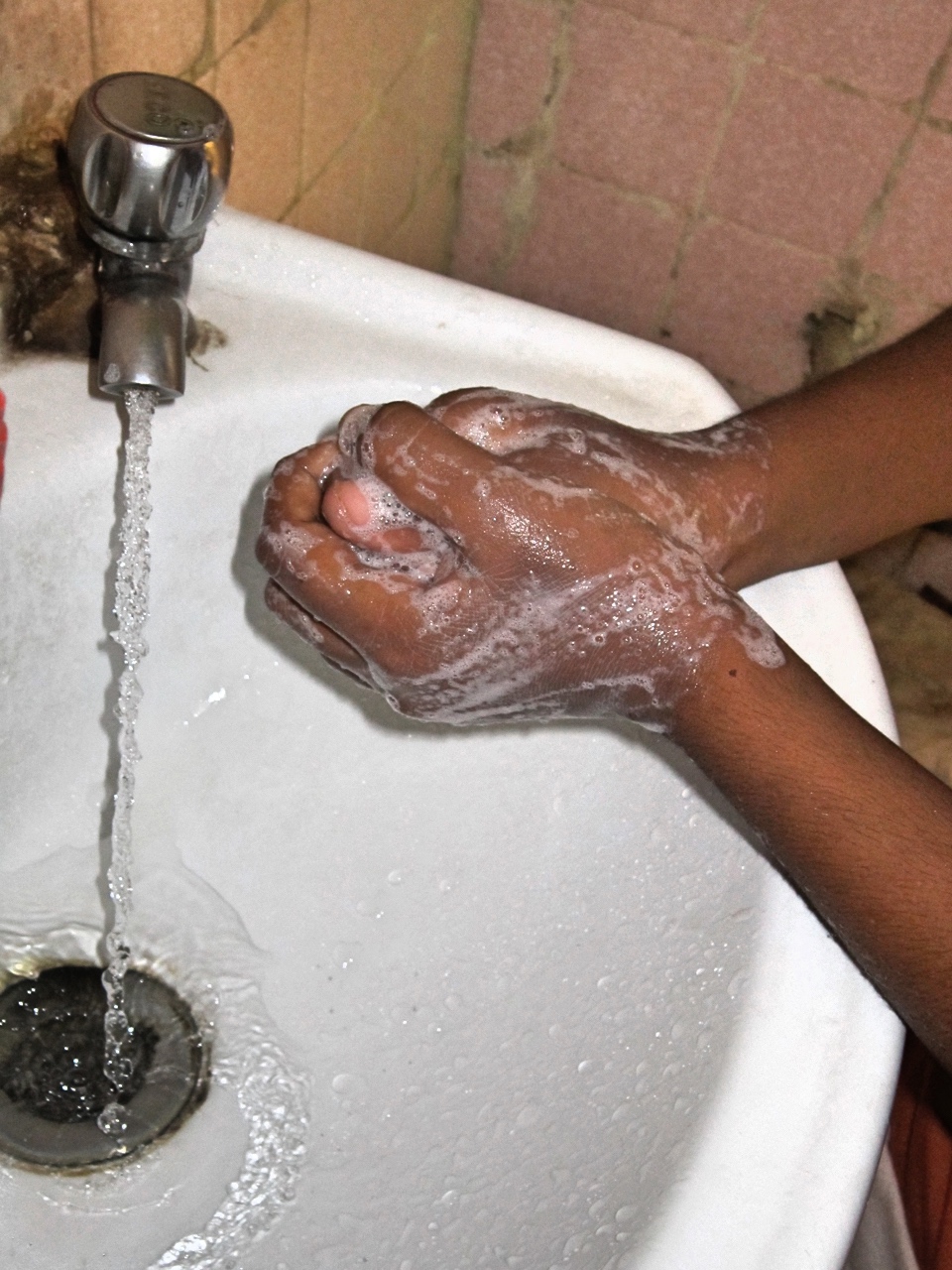
At Project Why we do that relentlessly. Saturday is hand washing day. Regular competitions on water related themes help the children com up with solutions. Project Why even held a photo workshop where the theme was respect and one of the sub topics was RESPECT WATER. Here are some of the pictures taken by the children.
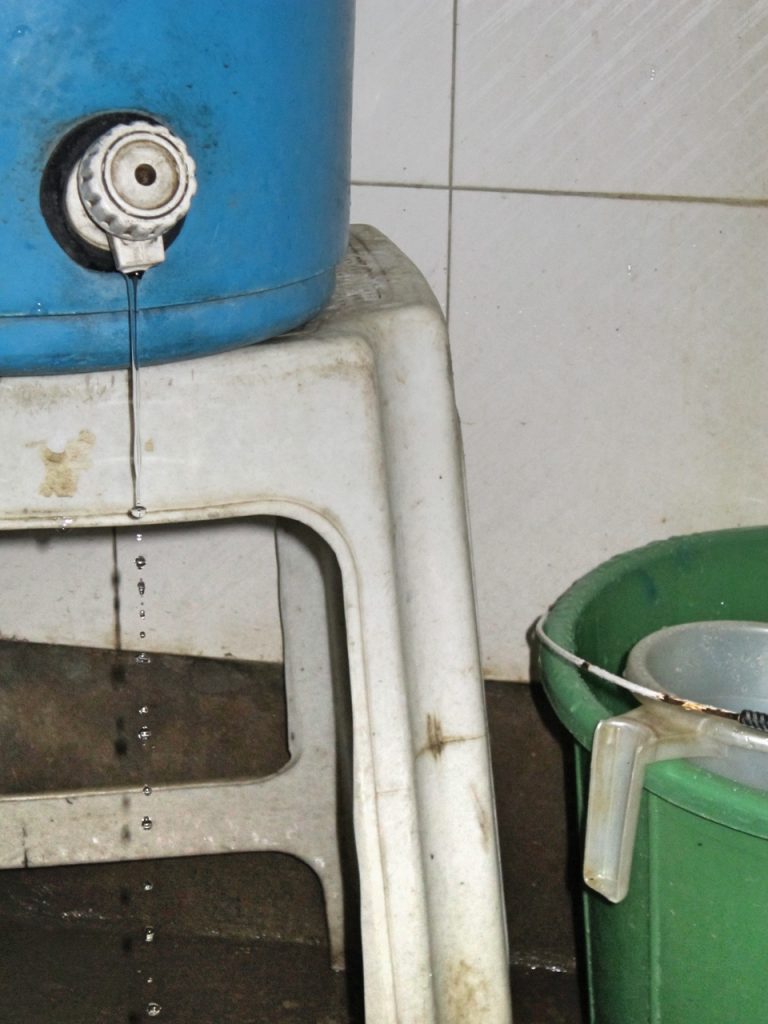
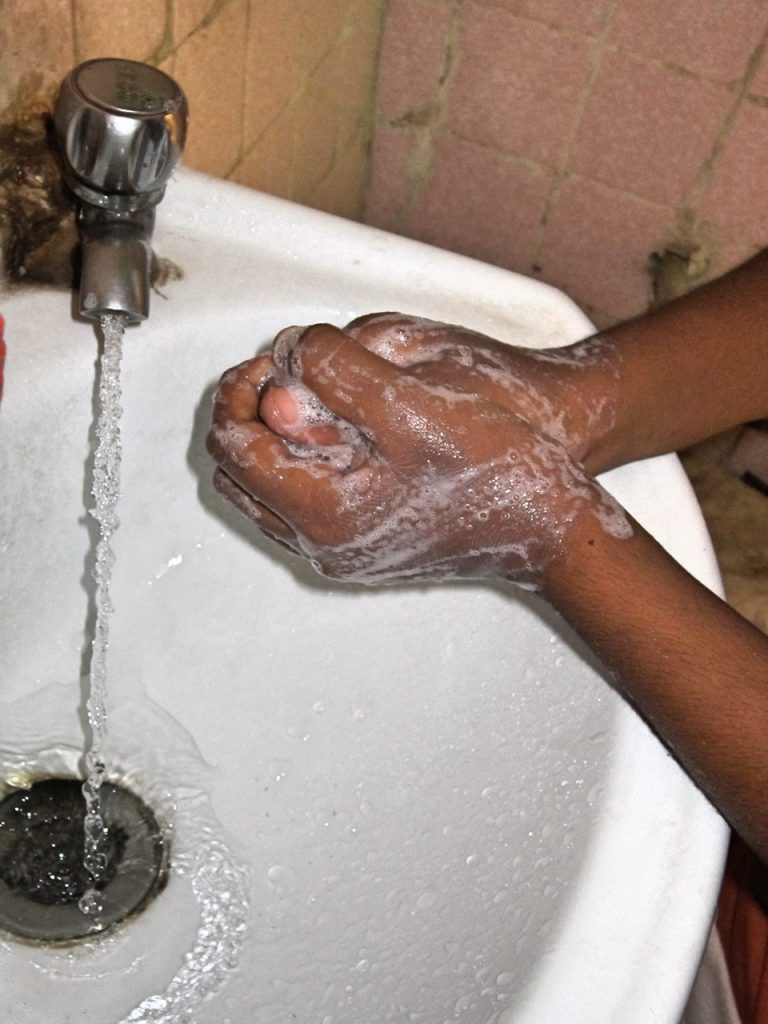
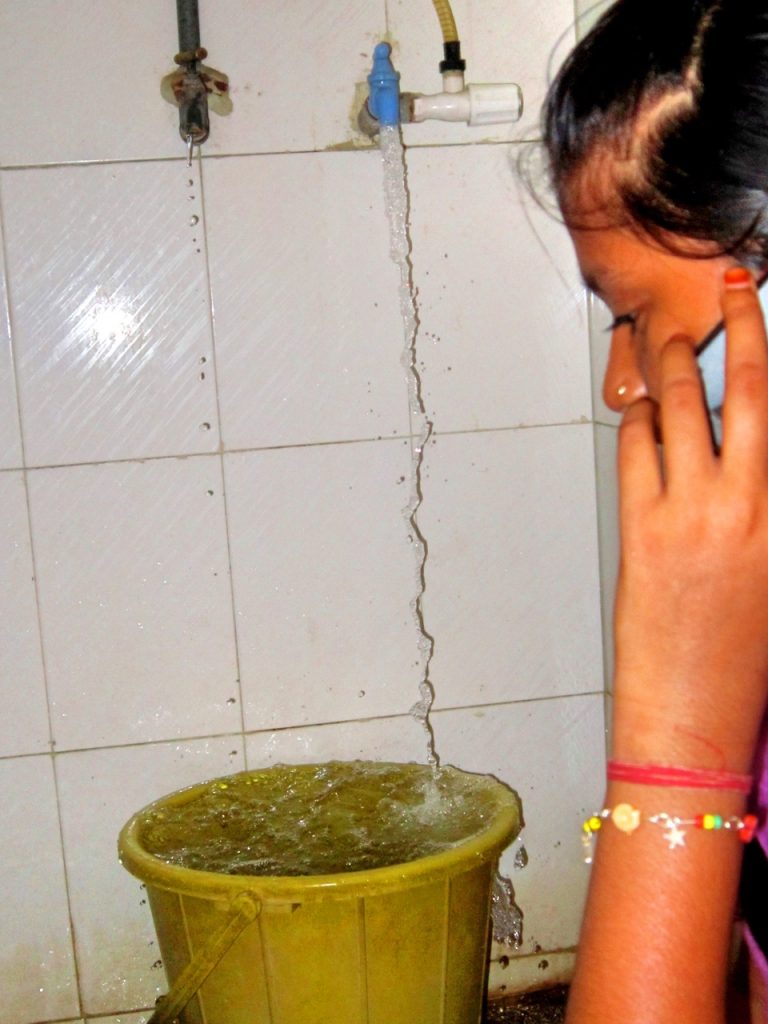
Gayatri
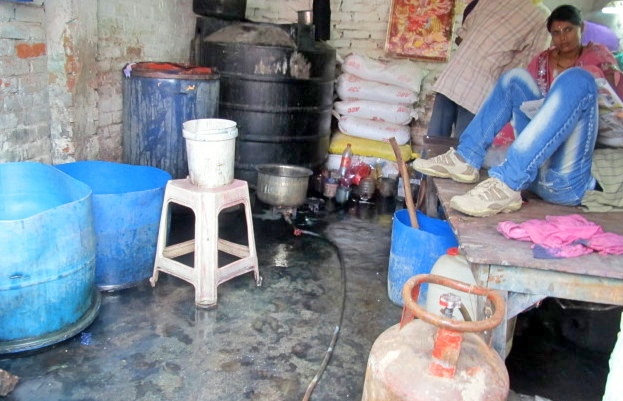
The workshop helped children experience reality and we hope they will carry the message forward.
by anouradha bakshi | Sep 6, 2016 | Uncategorized
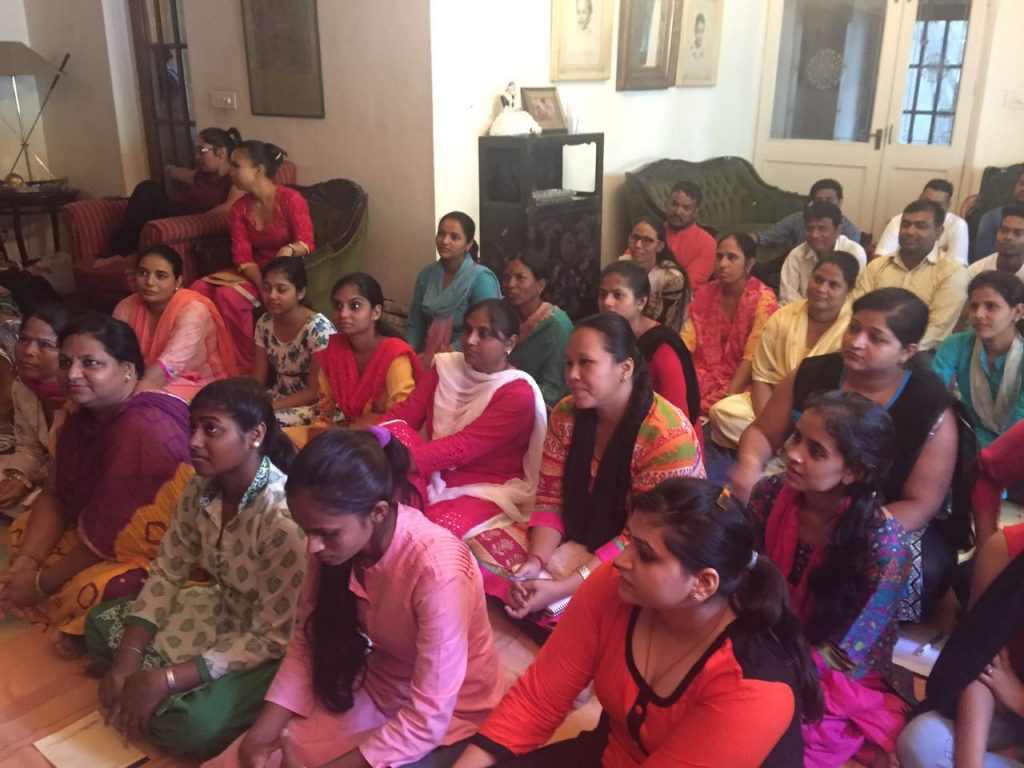
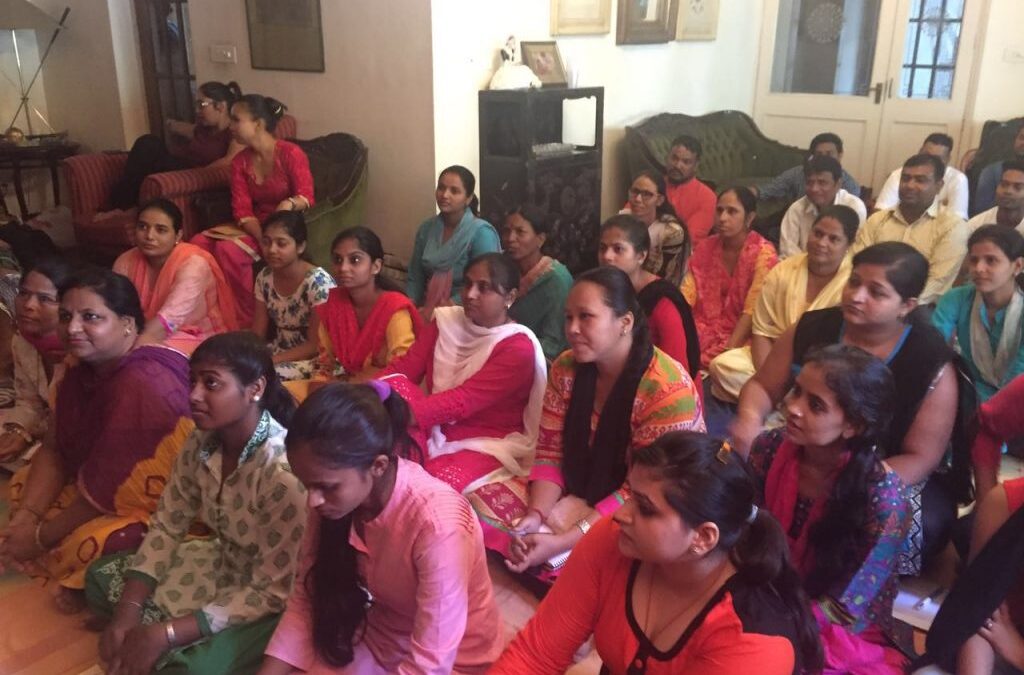
When a friend offered to run a healing workshop for Project Why staff so that they in turn could share it with the children we were a little hesitant. The reason being the multitude of faiths and beliefs followed by them. However we had faith in the sixteen years of sharing our views and beliefs and decided to go for it with the caveat of allowing individuals to opt out if they so wished.
Needless to say NO ONE opted out!
This experience, a first for Project Why, was most rewarding and made us wonder why we had not thought of it before. It was deeply empowering and helped everyone address situations and problems that were upsetting them. It also brought a feeling of peace, oneness and above all confidence. The staff enjoyed the experience and has promised to share it with their students.
It is a proud moment for Project Why and a validation of its efforts to bring people together and celebrate difference.

 Two weeks ago, two class XII students murdered their teacher. The reason: he expelled one of them for poor attendance. Rage, anger, frustration? Nothing can condone violence of this kind and the boys will face the law.