
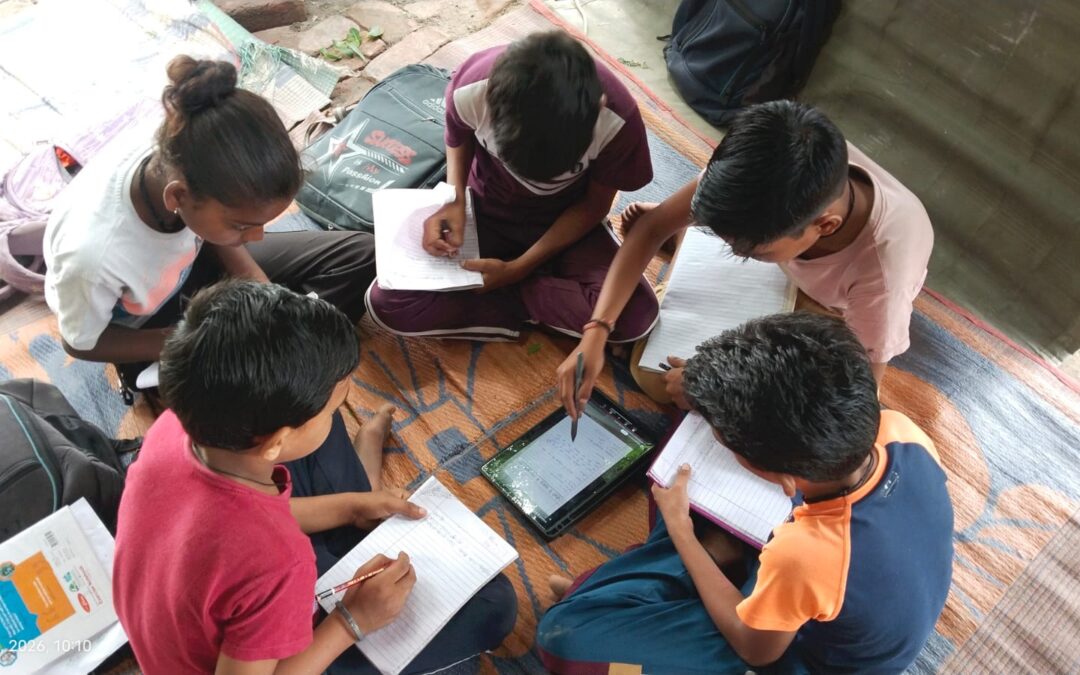
“I want to be a doctor” are words that I have heard innumerable times for over 25 years. Every time you ask a child what she aspires to be doctor is often the answer you get.
For the past few days the hallowed entrance examination you need to pass in order to get admission in a medical college is in the news following the disturbing exam paper leak. This led to 12 aspirants taking their own lives.
Nothing is more tragic than the death of a young soul. No wonder students are angry and have taken to the roads. They definitely had reason to do so and we all supported them. The Cockroach Janta Part (CJP) was the result of this anger. The protest began but sadly was soon hijacked by political parties, each one looking for their pound of flesh; each one looking at a possible new vote bank. The cause of the children was soon forgotten.
I am not going to recount the incidents of the past few weeks. Everyone knows what happened.
I would like to delve deeper and share some thoughts based on the work I have done with children of underserved communities for over a quarter of a century.
For the past 25 years we at Project Why have been working with children of a lesser God. We have helped thousands of children succeed in their studies and gain employment. As I said at the beginning of this post I want to be a doctor are words I have heard every so often, and each time my heart breaks as I know that this is one dream I cannot fulfil.
True NEET is a tough exam and may not be for these children many would think. You are both right and wrong. My children can crack NEET as you will be surprised to know that many of them are super bright. But in the present scenario, to crack NEET you often need to. join a coaching institute that comes at a heavy cost that parents of these children cannot afford. As you would have realised much of the leaks that have happened is because of the coaching mafia. I think we should borrow a page from China’s playbook. China banned for-profit private tutoring and coaching for core school subjects under its sweeping “Double Reduction” policy. The major goals of this nationwide crackdown are to reduce student stress, lower family living costs, and shift academic responsibility back to public schools. It is laudable for sure but has its own problems.China has seen the emergence of underground clandestine tutoring.
However I strongly feel that something needs to be done to regularise and monitor all coaching institutes.
Over 2.3 to 2.4 million students apply for the NEET UG exam annually, competing against a total of approximately 1,36,939 MBBS seats. This pool includes roughly 63,296 government seats and 73,643 private and deemed university seats across 823 medical colleges. Now the cost for each is astronomicalThe average total course fee for an MBBS degree in India ranges drastically from ₹30,000 to ₹15,00,000 in government colleges, compared to ₹40,00,000 to over ₹1.5 Crore in private colleges and deemed universities. I do not have to spell out the fact that these costs cannot be met by lower middle class and middle class families and loans are not easy to get when you live in a slum and your parents do not have steady jobs. So even if you clear NEET the door slams shut! Your family cannot afford it.
You can now understand why my hear breaks when I hear the words: I want to be a doctor. And what is even more disturbing is knowing that many of these children have the intelligence and motivation to succeed.
Becoming a doctor is not for the underprivileged. I wish people understood that, So you see even if papers are not leaked medicine is only for the privileged. Many aspiring students go to smaller countries like Uzbekistan or Ukraine to fulfil that dream even if it means that they will have to take another examination to be able to practice in India.
I came across a very interesting article by the former UGC Chairman Prof Sukhadeo Thorat entitled: Why India’s higher education needs greater public investment. It is a must read.
The article concludes with these words: India’s higher education journey reflects remarkable progress in expansion and diversification. However, the next phase of transformation must focus on equity, quality, employability, and affordability to ensure that higher education becomes a genuine instrument of social mobility and national development.
And if the CJP truly wants to work for the betterment of education than it has to look deeper at the aspirations of all children.
Food for thought.